7 Reasons Why Gamers Still Love Medieval Games
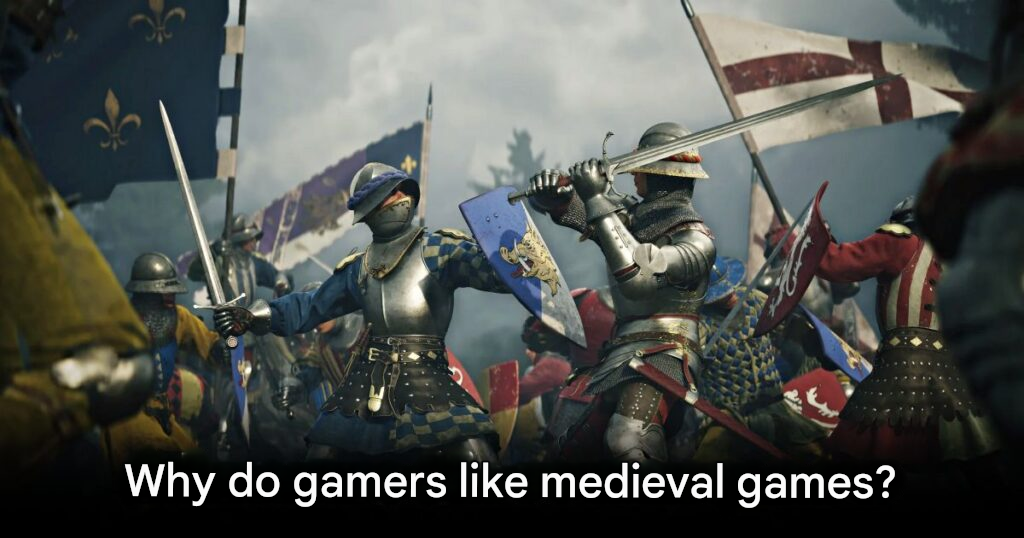
7 Reasons Why Gamers Love Medieval Games
Because swords, dragons, castles, and adventure never go out of style
Hello gamers! When talking about game genres that remain consistently popular across generations, one theme that never truly disappears is medieval games. Filled with swords, dragons, castles, kingdoms, and grand adventures, this setting continues to captivate players across RPGs, MMOs, open-world titles, and Souls-like games.
But what exactly makes medieval-themed games so appealing? Let’s explore the reasons.
1. Medieval Worlds Naturally Enable Adventure
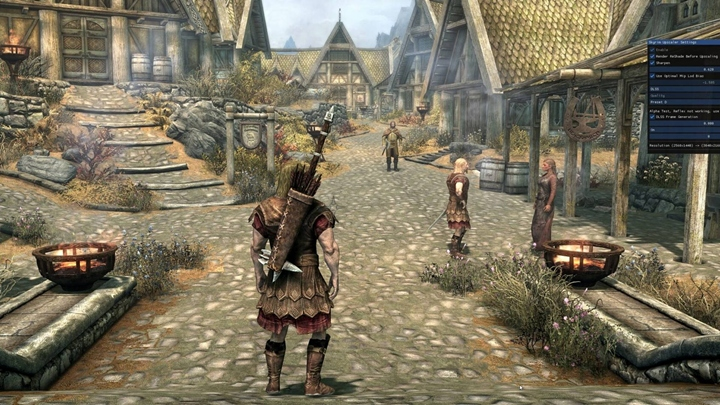
One of the biggest reasons players love medieval games is how naturally they support full-scale adventure.
These worlds are filled with unexplored lands, mysterious forests, ancient ruins, dungeons, and dangerous territories populated by monsters and bandits. Unlike the modern world, where everything is connected and mapped, medieval settings feel unknown and unpredictable.
That sense of stepping into the unknown is the essence of adventure that many players crave.
2. A Perfect Escape from the Modern World
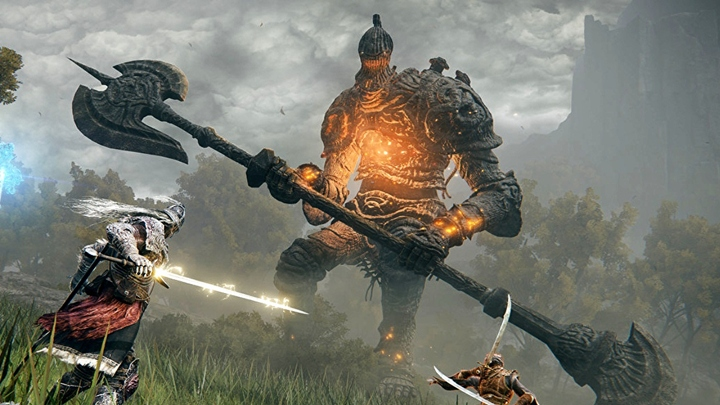
In real life, we are surrounded by deadlines, social media, endless notifications, and constant pressure. Medieval games offer an escape into a world free from modern technology.
There are no smartphones, no emails, no online meetings—just monster hunting, exploring villages, forging weapons, and living a simpler life.
Even though these worlds can be dangerous, they often feel more peaceful and relaxing compared to modern life.
3. Rich Stories with Politics and Social Hierarchies
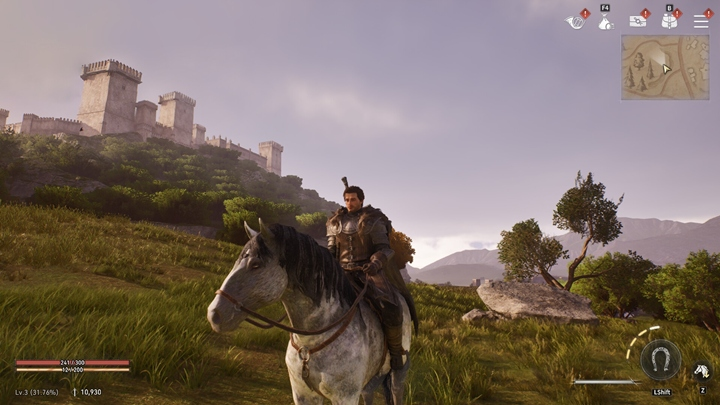
Medieval settings often include structured societies such as kings, nobles, knights, commoners, and religious institutions.
This allows developers to create deep narratives involving political intrigue, betrayal, civil wars, and power struggles.
Players are not just fighting monsters—they are also experiencing large-scale drama that shapes entire kingdoms.
4. Influenced by Movies, Anime, and Pop Culture
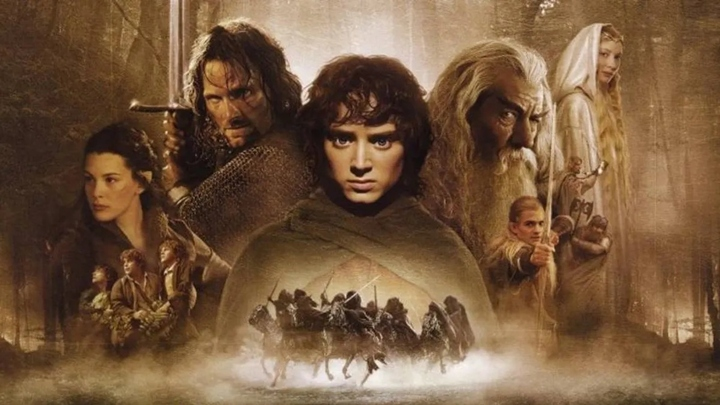
Many players are already familiar with medieval fantasy due to exposure from popular media like The Lord of the Rings, Game of Thrones, or fantasy anime.
We grow up seeing knights, dragons, magic, and heroic journeys. So when games allow us to step into those worlds ourselves, it feels natural and immersive.
5. A Balance Between Realism and Fantasy
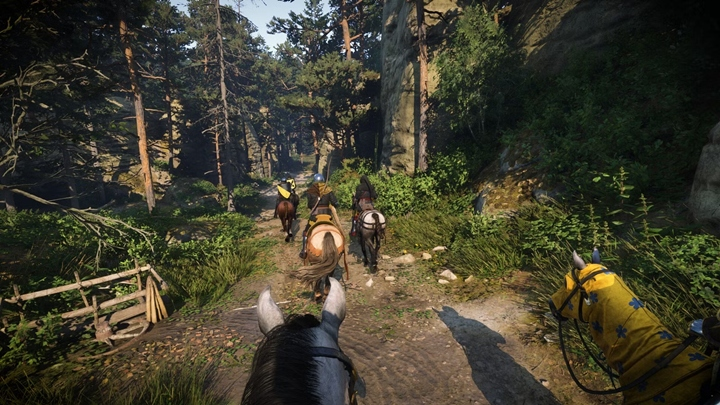
Medieval settings are flexible—they can be realistic or fantastical.
- Realistic examples: Kingdom Come: Deliverance
- Fantasy examples: Skyrim, Elden Ring
This versatility allows developers to cater to different types of players, making the setting widely appealing.
6. Melee Combat Feels More Impactful
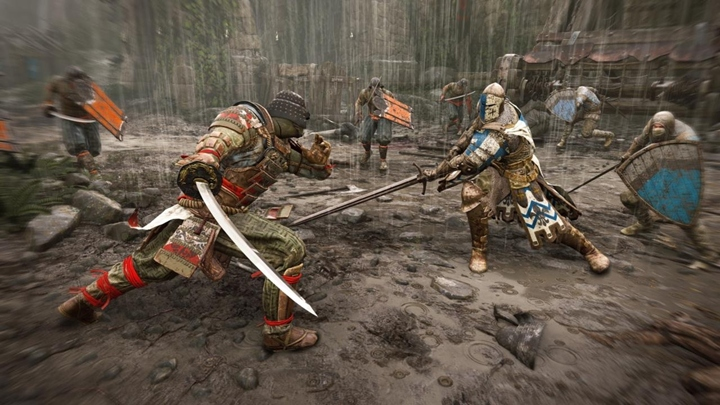
While shooting games are still popular, many players find melee combat more satisfying.
Using swords, axes, or spears requires close-range engagement, where timing, blocking, and counterattacks matter.
Games like Elden Ring, For Honor, and Monster Hunter: World highlight how impactful and intense melee combat can feel.
7. The Romantic Charm of the “Old World”
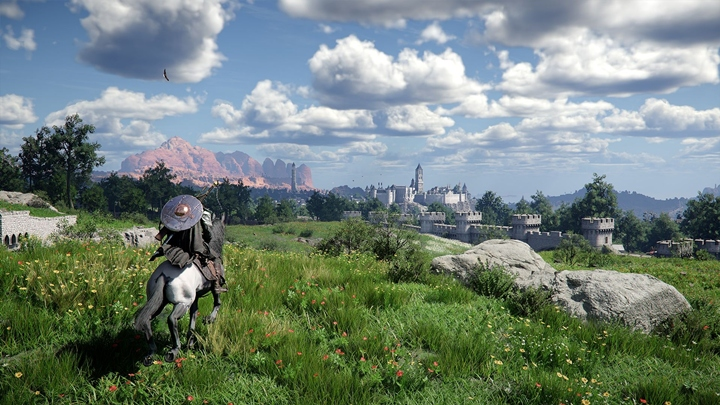
There’s an emotional and aesthetic appeal to medieval settings that’s hard to describe.
From grand castles and stone villages to taverns, marketplaces, and atmospheric music, these worlds feel timeless and magical.
Even if they lack modern comfort, they offer a sense of wonder and immersion that keeps players coming back.
Final Thoughts
Ultimately, the enduring popularity of medieval games isn’t just about cool elements like swords or dragons. It’s about the experience they offer—epic adventures, deep storytelling, intense combat, and immersive fantasy worlds.
No matter how advanced the real world becomes, many players are always ready to pick up a sword, set out on a journey, and lose themselves in the magic of the medieval era.