Why Japanese Gacha Games Are Struggling Against Chinese Gacha Giants
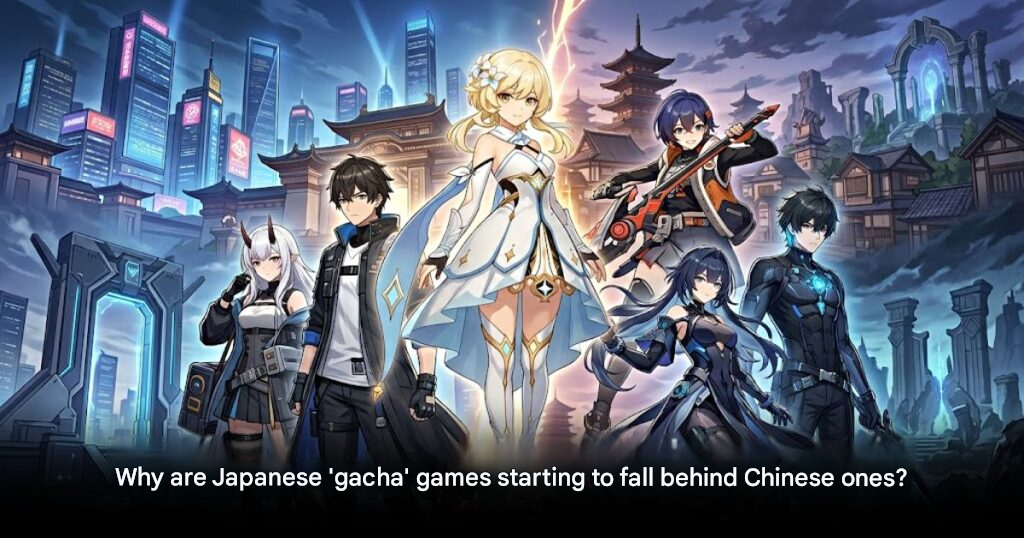
Why Japanese Gacha Games Are Starting to Fall Behind Chinese Gacha Games
For many years, gacha games were closely associated with Japanese creativity, character design, anime culture, and mobile-first monetization systems. Japan helped shape much of what players came to expect from the genre, from collectible characters and limited banners to story-driven events and stylish artwork that appealed strongly to anime fans.
However, the market has changed dramatically over the past few years. Chinese gacha games such as Genshin Impact and Honkai: Star Rail have raised both the quality and expectations of the genre on a global scale. What was once seen as a market largely defined by Japanese studios has now become a fiercely competitive space where Chinese developers are increasingly setting the pace.
This does not mean Japanese gacha games have suddenly become bad. Instead, the bigger issue is that Chinese gacha games have evolved faster in several key areas, especially production quality, long-term investment, global strategy, gameplay design, and player value.
Chinese Production Values Have Risen Rapidly

One of the clearest reasons Chinese gacha games are gaining ground is the massive leap in production quality. In the past, many players expected mobile gacha games to be relatively simple experiences built around menus, turn-based battles, and character collection. Chinese studios have pushed far beyond that expectation.
Genshin Impact proved that a gacha game could offer a large open world with impressive visual detail, smooth animation, exploration, and a presentation style closer to console games. Meanwhile, Honkai: Star Rail showed that even a turn-based RPG could feel premium when supported by high-quality cutscenes, polished environments, strong sound design, and cinematic direction.
Because of this, players now expect more from the genre. When a new gacha game launches with limited gameplay systems, basic presentation, or outdated production values, it can feel underwhelming compared to the new standard set by major Chinese releases. This makes some Japanese gacha games appear behind the curve, even if their core ideas or characters remain appealing.
Chinese Studios Are Investing for the Long Term
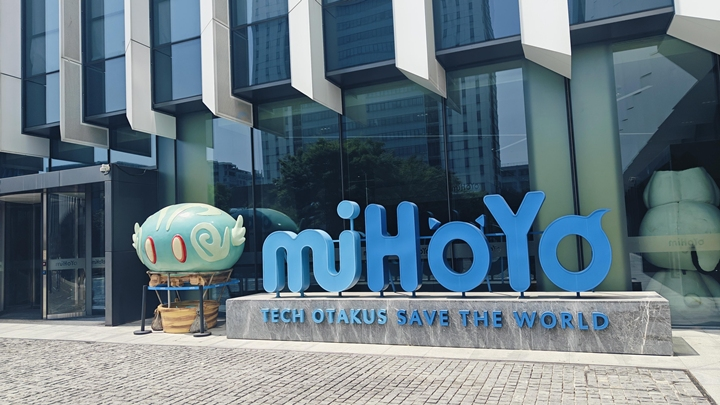
Another major difference is the way many Chinese companies approach investment. Several Chinese developers appear to treat their major gacha titles as long-term platforms, not short-term products designed only to recover costs quickly.
Companies such as miHoYo have shown a willingness to invest heavily in engines, live service planning, content pipelines, music, localization, animation, marketing, and multi-year development roadmaps. Their games are built to grow over time, with new regions, systems, characters, events, and story chapters designed to keep players engaged for years.
By contrast, some Japanese gacha projects still appear tied to a more cautious model where the goal is to recover investment quickly. This can limit the scale of development and make it harder for those games to expand in a meaningful way over the long term. When one side is building a global platform and the other is building a smaller mobile title, the difference becomes more obvious with every major update.
Modern Chinese Gacha Games Focus on Gameplay, Not Just Pulling Characters
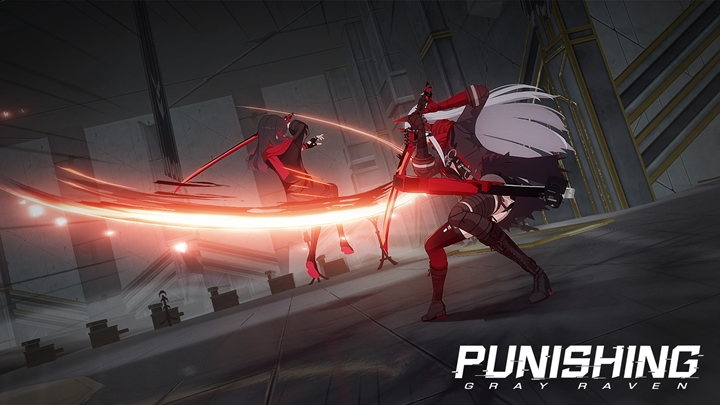
A major strength of newer Chinese gacha games is that they often try to make the game itself enjoyable even outside the gacha system. The character banners still matter, but they are not always the only reason to keep playing.
Games like Punishing: Gray Raven focus heavily on skill-based action combat, while Tower of Fantasy attempted to bring a more MMO-like structure into the gacha space. Even when these games are not perfect, they show a clear effort to give players something active to do beyond simply collecting characters.
Some Japanese gacha games, on the other hand, still rely heavily on older structures. A player may log in, clear stamina, repeat stages, pull characters, and wait for the next event. In some cases, the gameplay loop may feel too limited, especially if the game still requires manual play for repetitive content while offering few meaningful activities outside combat and character collection.
This difference matters because modern players increasingly want a gacha game that feels like a real game first and a monetization system second.
Chinese Gacha Games Build Worlds for a Global Audience
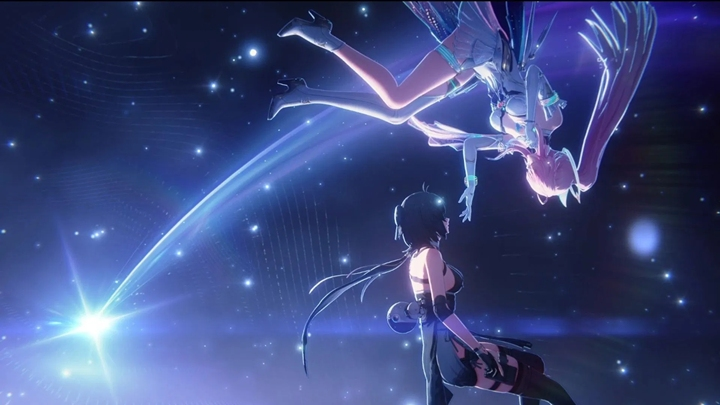
Storytelling and worldbuilding are also major factors. Newer Chinese gacha titles often aim for a more global-friendly identity, with settings, themes, and presentation styles that can appeal to players from many different cultures.
Wuthering Waves is a good example of a game that presents a distinctive world without relying too heavily on one specific cultural style. Its tone, setting, and character direction are designed to feel accessible to a broad international audience.
Some Japanese gacha games still lean strongly into highly specific storytelling conventions. This can be a strength for fans who love those styles, but it can also make global expansion harder. When a story feels too niche, too culturally specific, or too difficult for new players to connect with, it may struggle to build the same international momentum as games designed with a wider audience in mind from the beginning.
Chinese Games Update More Than Just New Characters
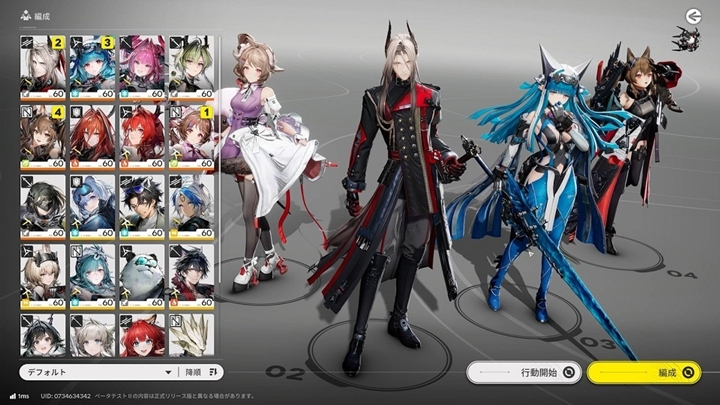
Live service success depends on more than releasing new banners. One major reason Chinese gacha games feel more competitive is that many of them try to expand the overall game experience through major updates.
Instead of only adding new characters and limited events, some Chinese developers use updates to build out new areas, systems, mechanics, modes, and storylines. Arknights: Endfield, for example, shows how an existing IP can evolve into a much larger and more ambitious gameplay format rather than simply repeating the same structure.
Many Japanese gacha games still depend on a more familiar update loop: new character, new event, new banner, repeat. That formula can work for a while, especially with strong characters, but it can eventually feel stale if the core game does not grow in meaningful ways.
Players now expect updates that make the game feel bigger, fresher, and more rewarding over time.
Chinese Developers Better Understand Time Versus Value
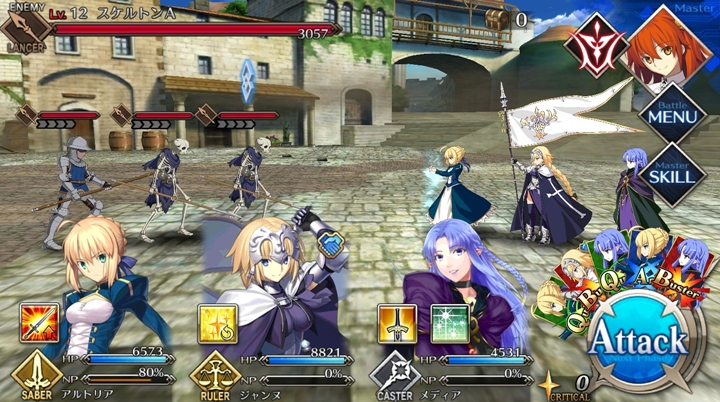
Another important difference is the way games respect the player’s time. Modern players often juggle multiple live service games, work, school, and daily responsibilities. Because of that, they increasingly value games that offer satisfying progress without demanding excessive repetitive play.
Many Chinese gacha games have started to understand this balance better by offering systems such as Auto, Skip, faster daily routines, or reduced friction in repeated content. These features help players feel that their time is being respected.
Some Japanese gacha games still require players to manually repeat content, grind older stages, or spend too much time on routine tasks. This can become exhausting, especially when the game does not offer enough new experiences to justify the time investment.
For today’s players, value is not only about how many rewards a game gives. It is also about whether the game makes every minute feel worthwhile.
Chinese Gacha Games Often Launch With a Global-First Strategy
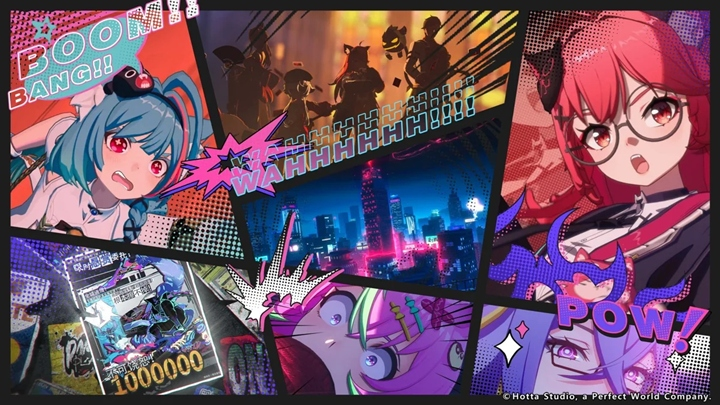
Chinese gacha games have also become stronger because many are designed with a global-first strategy. This means developers plan international releases, multiple language options, voice acting, and global marketing from the start.
Games like Wuthering Waves entered the market with a clear global identity and an awareness of worldwide player expectations. This approach helps build momentum across regions at the same time, allowing online discussion, content creation, and community hype to grow together.
By comparison, many Japanese gacha games still launch domestically first and arrive globally much later. This delay can cause them to lose momentum. By the time a global version appears, international players may already know the story, upcoming banners, meta rankings, and future content from the original release. That can make the launch feel less exciting and less fresh.
In a fast-moving market, timing matters. A delayed global release can weaken hype before the game even gets started.
Chinese Games Have a Stronger Image of Value
The perception of value is another major factor. Many players now associate Chinese gacha games with the idea that they can still enjoy the main content as free-to-play users. These games often provide regular resources, clearer pity systems, and enough access to content that players do not always feel forced to spend heavily.
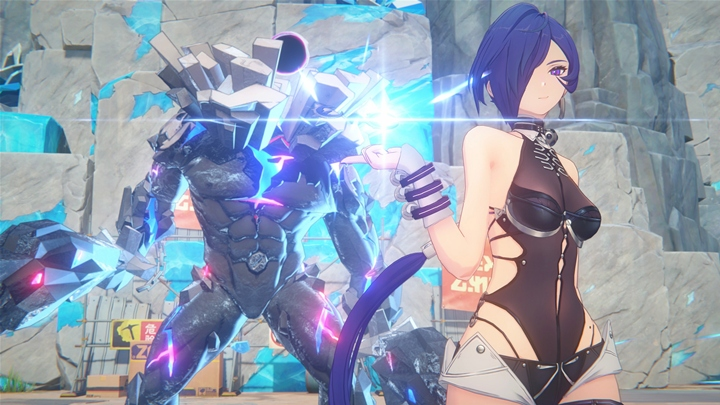
Zenless Zone Zero continues this broader trend by giving players a path to enjoy major content even without heavy spending. This helps build an image of fairness, or at least a sense that the game offers enough value to keep players engaged.
On the other hand, some Japanese gacha games still carry the image of being harsher with pulls, more dependent on luck, or less generous with resources. Even when this is not true for every title, perception matters. If players believe one game respects their wallet more than another, they are more likely to invest time in the game that feels fairer.
A Shift That Raises the Standard for Everyone
The rise of Chinese gacha games does not erase the importance of Japanese gacha games. Japan still has strong IP, memorable character design, loyal fanbases, and decades of experience in anime-style storytelling. However, the market has clearly shifted.
Chinese gacha games are competing with larger budgets, stronger global planning, more ambitious production values, and gameplay systems built for modern expectations. They are not simply copying the old gacha formula. They are expanding it into something closer to a full-scale live service ecosystem.
For players, this competition is ultimately a good thing. It pushes developers to improve, experiment, and deliver better experiences. Whether a game comes from Japan, China, or anywhere else, the standard for gacha games is now higher than ever.
The real story is not that Japanese gacha games are finished. The real story is that Chinese gacha games have forced the entire industry to evolve, and players are the ones who benefit most from that evolution.