Unreal Engine and Unity Simulate Disaster Recovery
Japan Utilizes Unreal Engine and Unity for Digital Twin Innovation
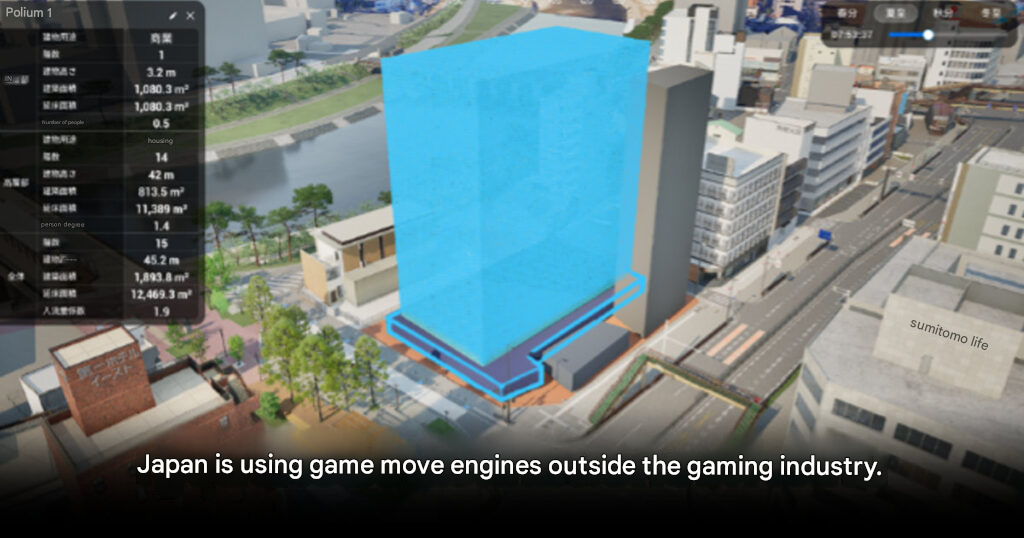
The famous game development tools Unreal Engine and Unity are no longer restricted to the world of entertainment. According to a report from Nikkei Asia, Japan is leading a movement to use these engines for Digital Twin technology. This involves creating precise digital replicas of the real world to solve complex social issues. Major industries in Southeast Asia and across the globe are watching as Japan applies these high performance tools to urban infrastructure and public safety.
Urban Development and Disaster Prevention via Unreal Engine
General contractor Taisei Corporation is a prime example of this technological shift. The company uses the Unreal Engine to present and simulate urban development plans. This allows stakeholders to visualize how new projects will integrate into existing cityscapes before construction begins. Meanwhile, the Tokyo based company Cluster is leveraging game engines to build prediction platforms for natural disasters. By simulating floods based on existing hazard maps, they can help local governments plan more effective disaster relief and evacuation strategies.
Digital Fashion and Virtual Reality Integration
The versatility of these engines also extends into the retail sector. The famous Daimaru Matsuzakaya Department Store has begun creating and selling digital kimonos for virtual reality platforms. These 3D models are based on real designs found in their physical stores and are optimized for avatars on VRChat. This project saw over 10000 digital browsers within its first week. This demonstrates a growing market for high quality digital assets built with professional game development tools.
The Future of Simulation Beyond Gaming
These applications prove that the advanced rendering and physics capabilities of modern engines are valuable assets for non gaming businesses. Companies praise these tools for their cost savings and the high level of familiarity that developers already have with them. As these technologies continue to evolve, we can expect to see more sectors in Southeast Asia adopting game engines for everything from architecture to emergency management. The boundary between virtual simulation and real world application is disappearing faster than ever.
THIS IS our take
It is fascinating to see the same tech that gives us hyper realistic graphics in games being used to save lives and plan cities. Using a game engine to predict a flood or design a skyscraper just makes sense when you consider how powerful these tools have become. Japan is proving that the metaverse is not just about playing games but about making the real world smarter and safer. Plus, who wouldn’t want a high end digital kimono for their virtual hangout?
Origin