AI Pull Requests Spark Emulator Chaos
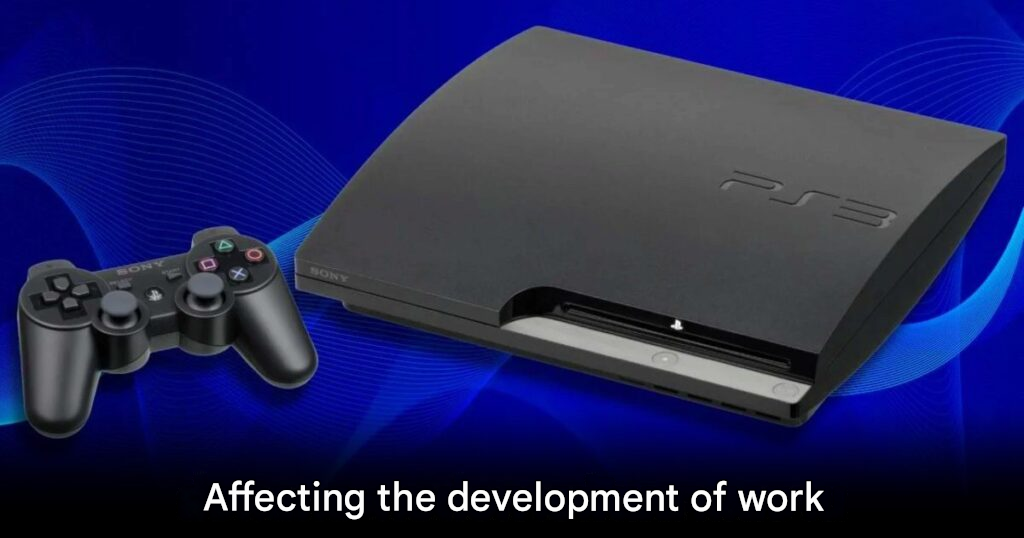
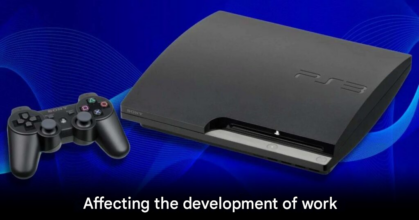
RPCS3 Developers Ask Users To Stop AI Code Spam
The developers behind RPCS3 have run into a modern open-source headache.
The team has asked users to stop submitting low-quality AI-generated code to the project’s GitHub page. The request came after the open-source PlayStation 3 emulator received pull requests that the team described as AI slop.
RPCS3 is one of the most well-known PlayStation 3 emulator projects. It has existed since 2011 and remains a major option for players who want to run PS3 games on other platforms.
The problem is not simply that contributors use AI tools. The larger issue comes from users submitting code they do not understand, cannot debug, and cannot properly support.
Why AI-Generated Code Became A Problem
Open-source projects depend on community help.
That community support can improve software, fix bugs, and add new features. However, every contribution still needs review from maintainers.
When users send large amounts of weak AI-generated code, maintainers must spend time checking it. That creates extra work instead of helping development.
Poor pull requests may fail basic standards. They may also break existing features, ignore project rules, or solve problems incorrectly.
For a complex emulator like RPCS3, this becomes even harder. Emulation development demands deep technical knowledge, careful testing, and an understanding of unusual hardware behavior.
A random AI-generated patch cannot replace that expertise.
RPCS3 Warns It May Ban Undisclosed AI Submissions
The RPCS3 team posted a clear warning on X.
The team asked users to stop sending AI-generated pull requests and said it would start banning people who submit them without disclosure. The team also encouraged users to learn debugging and programming instead of generating code they do not understand.
That message may sound harsh, but the frustration is easy to understand.
Maintainers already spend huge amounts of unpaid or underpaid time reviewing code, testing fixes, answering issues, and managing communities. AI spam adds another layer of noise.
It can also slow down real contributors. When maintainers waste time on bad submissions, useful fixes may receive less attention.
This Is Bigger Than One Emulator
The issue does not only affect RPCS3.
Other open-source projects have also reported problems with AI-generated pull requests. Kotaku noted that Godot Engine project manager Rémi Verschelde previously said the project’s GitHub had become heavily affected by AI-generated PRs.
This shows how quickly AI tools have changed software communities.
AI coding assistants can help experienced developers move faster. They can suggest code, explain errors, or draft simple functions.
However, they become harmful when users treat them as a shortcut to contribution. Submitting untested code can damage trust and waste everyone’s time.
Open-source projects need helpful contributors, not automated noise.
The Real Challenge For Open-Source Projects
Open-source development already carries many challenges.
Projects need maintainers, documentation, testing, issue tracking, user support, and code review. Many of these tasks rely on volunteers.
AI-generated spam makes that workload heavier. It forces maintainers to identify bad code, reject weak submissions, and explain the same standards repeatedly.
This can hurt morale. Developers who spend years building tools like RPCS3 may feel drained when low-effort submissions flood their workflow.
The problem also creates a new moderation challenge. Projects may need clearer contribution rules, AI disclosure policies, and stricter pull request requirements.
Some may require proof of testing. Others may reject AI-generated code unless the contributor explains and validates every change.
AI Can Help, But It Needs Responsibility
The lesson here is not that AI coding tools are useless.
Used responsibly, AI can help developers learn faster and work more efficiently. It can explain code, suggest approaches, or help with repetitive tasks.
But the human contributor must still understand the result.
Before submitting any code to an open-source project, users should test it, review it, and explain why it works. They should also follow the project’s contribution guidelines.
If AI helped generate the code, contributors should disclose that clearly when required. Transparency gives maintainers the right context during review.
For developers in Southeast Asia (SEA) who want to join open-source projects, this is a useful reminder. AI can support learning, but it should not replace skill, testing, or accountability.
Emulation Needs Real Expertise
Emulators are especially sensitive to bad code.
A project like RPCS3 must recreate complex PlayStation 3 behavior through software. That involves CPU emulation, GPU behavior, memory handling, timing issues, and game-specific compatibility.
Even small changes can break multiple games. A patch that fixes one issue may create another somewhere else.
That is why maintainers need high-quality submissions. They need contributors who understand what they changed and can respond to review comments.
AI-generated code without understanding can become a liability. It slows progress instead of moving the project forward.
A Warning For The AI Coding Era
The RPCS3 situation captures a bigger problem in modern software.
AI tools have made coding more accessible. That can be good for education, prototyping, and experimentation.
However, open-source projects cannot become dumping grounds for unverified AI output.
The best contributors still need curiosity, patience, testing discipline, and respect for maintainers.
For RPCS3, the message is simple. Learn how to code, learn how to debug, and submit work that actually helps.
AI-generated code can be a useful assistant, but it becomes a nightmare when people treat open-source projects like a trash bin for untested experiments. RPCS3 does not need vibe-coded chaos. It needs contributors who understand the code, test their work, and respect the humans keeping emulation magic alive.
Source: Kotaku