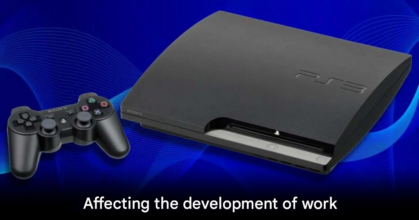
RPCS3 Warns AI Slop Could Hurt Open Source
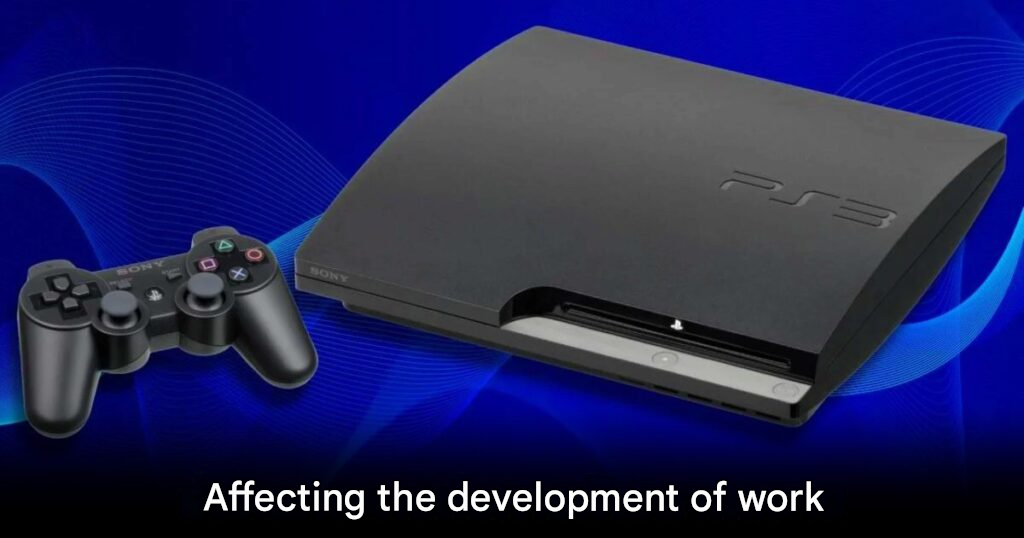
RPCS3 Developers Ask Users To Stop AI Code Spam
Developers of the popular PlayStation 3 emulator RPCS3 are facing a new kind of open-source problem.
Some users have started sending large amounts of AI-generated code into the project. Many of these submissions create extra work for the developers instead of helping the emulator improve.
The RPCS3 team has now asked users to stop submitting what it described as AI slop code pull requests to its GitHub page. The team also warned that it may ban users who submit AI-generated pull requests without disclosure.
This issue shows how quickly AI coding tools have changed software development. They can help developers, but they can also create chaos when users submit code they do not understand.
Why This Matters For Open-Source Software
Most PlayStation emulator projects rely on open-source development.
That means developers and contributors from around the world can help improve the software. They can report bugs, submit fixes, test changes, and improve compatibility.
However, open-source contribution also requires responsibility. Every pull request needs review, testing, and proper explanation.
When users submit low-quality AI-generated code, maintainers must spend time checking whether it works. If the code fails, they must reject it, explain the issue, or clean up the discussion.
That wastes time and energy. It can also slow down real progress from contributors who understand the project.
For an emulator like RPCS3, the problem becomes even more serious. Emulation development involves complex hardware behavior, timing issues, graphics systems, CPU behavior, and game compatibility.
A random AI-generated patch can easily break more than it fixes.
RPCS3 Has Become A Major Emulator Project
RPCS3 has existed since 2011 and remains one of the most important PlayStation 3 emulator projects.
According to Kotaku, the emulator has made major progress over the years. The team has managed to make around 70% of the PlayStation 3 library fully playable.
That progress did not happen overnight. It required years of testing, debugging, community work, and deep technical effort.
This is why bad pull requests can feel especially frustrating. They do not only waste time, they can also disrespect the work behind the project.
The developers are not asking users to avoid learning. They are asking contributors to stop sending code they cannot explain, test, or maintain.
The Problem With AI Slop Code
AI-generated code is not automatically bad.
Many experienced developers use AI tools to speed up simple tasks, review ideas, or explore possible solutions. The problem starts when users treat AI output as finished work.
A contributor may ask an AI tool to generate a fix, then submit it without understanding the code. That creates several risks.
The code may not match project standards. It may fail to compile. It may introduce hidden bugs. It may solve the wrong issue.
Worse, the contributor may not know how to answer maintainer questions. They may not know why the code works, or why it fails.
That forces maintainers to do the real work. At that point, the pull request stops being helpful.
This Is Not Only A RPCS3 Problem
The issue also affects other open-source projects.
Kotaku noted that Godot Engine project manager Rémi Verschelde previously said the project’s GitHub had become heavily affected by AI-generated pull requests. He even considered hiring more maintainers just to handle the AI slop.
This shows that open-source communities now face a wider moderation challenge.
AI tools have made code generation easier than ever. However, they also make low-effort submissions easier.
Projects may now need stricter contribution rules. They may require AI disclosure, better testing notes, or clearer explanations for every submitted change.
Without those rules, maintainers could drown in low-quality pull requests.
Why Emulator Development Needs Real Skill
Emulator development is not beginner-friendly work.
A PlayStation 3 emulator must recreate unusual console behavior on modern hardware. Developers need to understand system architecture, graphics pipelines, memory behavior, audio systems, and compatibility problems.
Even small changes can affect many games. A fix for one title may break another.
That is why maintainers need contributors who can test properly. They need people who understand what they changed and can respond to feedback.
AI tools can support learning, but they cannot replace technical responsibility. For emulator projects, untested code becomes a liability.
What Contributors Should Do Instead
Users who want to help RPCS3 or other open-source projects should start with learning.
They can read project documentation, study existing issues, test builds, and learn how the codebase works. They can also begin with smaller tasks.
Good contributors should test their changes before submitting them. They should explain the problem, the fix, and the expected result.
If they used AI tools, they should disclose that clearly when required. Transparency helps maintainers review the code properly.
Most importantly, contributors should understand their own submissions. If they cannot explain the code, they should not send it as a pull request.
AI Coding Needs Accountability
The rise of AI coding tools has created a strange new era.
More people can experiment with programming. That is good for learning and creativity.
However, open-source projects should not become dumping grounds for untested AI output.
Real contribution still requires patience, testing, debugging, and respect for maintainers. Without those basics, AI-generated code becomes noise.
The RPCS3 situation should serve as a warning for the wider software community. AI can assist developers, but it should not replace understanding.
AI coding can be useful, but dumping mystery code into an open-source project is not contribution. It is digital littering with extra steps. RPCS3 needs careful developers, not “copy, paste, pray” pull requests. If you want to help, learn the code, test your work, and respect the people keeping emulation alive.
Source: Kotaku