Googlebook Introduces A New Android Laptop Category
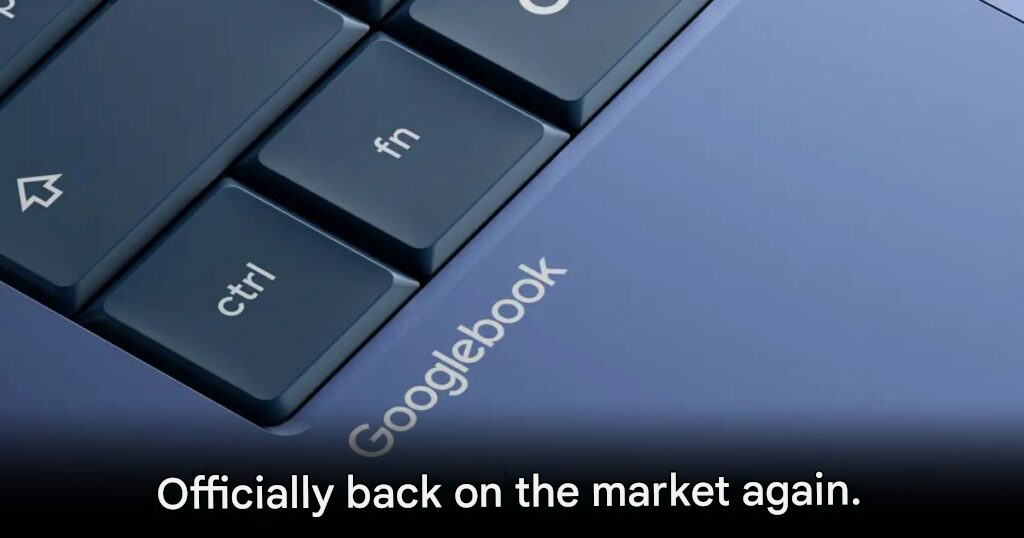
Google has unveiled Googlebook, a new laptop category built around Android technologies and Gemini Intelligence.
This is not just a standard Chromebook refresh. Google is positioning Googlebook as a new AI-first computing experience designed for tighter Android phone integration and smarter daily productivity.
The platform is built on an Android-centered operating system. Reports note that its internal codename is Aluminium OS, though Google has not confirmed that as the official name.
Googlebook aims to deliver a more premium laptop experience. It will support Chrome for web browsing, Android apps, desktop-grade app experiences, and deeper Gemini-powered assistance.
Built Around Gemini Intelligence
The heart of Googlebook is Gemini Intelligence.
Google designed the platform to give users proactive help while they work. Instead of keeping AI inside one app, Gemini can assist across the laptop experience.
Google’s official announcement describes Googlebook as a new laptop category built for Gemini Intelligence and seamless device integration. It also highlights AI-powered widgets, phone access, and contextual help.
This makes Googlebook feel different from older Android laptop experiments. The goal is not only to run mobile apps on a bigger screen.
The goal is to make the laptop feel like a smarter Android companion.
Magic Pointer Turns The Cursor Into An AI Tool
One of the biggest new features is Magic Pointer.
This feature uses Gemini to provide contextual suggestions near the cursor. Users can point at something on-screen and ask Gemini for help.
Google says Magic Pointer can help users act on information more quickly. For example, pointing at a date in an email could help set up a meeting. Selecting two images could let users visualize them together.
This changes how users interact with laptop content. Instead of copying text into a chatbot manually, users can bring Gemini closer to the thing they are working on.
If it works smoothly, Magic Pointer could become one of Googlebook’s signature features.
Seamless Android Phone Integration
Googlebook also focuses heavily on Android phone pairing.
The device can access phone apps and files more directly. Google’s official summary says users can access Android phone apps and files instantly through Googlebook.
This could make it easier to continue tasks between phone and laptop. Users may cast apps, open files, manage phone content, or continue work on a larger screen.
That matters because many users already live inside the Android ecosystem. Messages, photos, banking apps, productivity tools, and media apps often start on the phone.
Googlebook aims to make that phone-to-laptop transition feel natural.
For Southeast Asia (SEA) users, this could become especially useful. Many users rely heavily on Android phones for work, payments, communication, and entertainment.
Android Apps On A Bigger Screen
Googlebook will also run Android apps more fully on laptop hardware.
Wired reports that Google wants the platform to offer adaptive, desktop-grade Android apps. This could help solve one of the biggest challenges of Android on large screens.
A laptop needs apps that feel comfortable with keyboard, trackpad, windowing, and larger displays.
If developers support the platform well, Googlebook could become a strong bridge between mobile apps and laptop productivity.
This also gives Google a different pitch from traditional Chromebooks. Instead of focusing mostly on web apps, Googlebook places Android apps and Gemini assistance closer to the center.
Custom AI Widgets And A Smarter Dashboard
Googlebook will also support AI-generated custom widgets.
Google says users can prompt Gemini to create custom widgets and organize apps into personalized dashboards.
This could help users build their own workspace without manually searching for the perfect widget.
A student could create a class dashboard. A traveler could make a flight and weather panel. A creator could build a content-planning dashboard.
This feature fits Google’s wider push toward more personal AI tools. Instead of using the same layout as everyone else, users can ask Gemini to shape the workspace around their needs.
Premium Hardware From Major Partners
Googlebook will launch with help from major hardware partners.
Google is working with Acer, ASUS, Dell, HP, and Lenovo on the first devices.
The laptops are expected later in 2026. Reports say they will target the premium market with lightweight designs, high-quality materials, and a distinctive Glowbar design inspired by Google’s visual identity.
Google has not shared final pricing, complete specifications, or exact launch dates yet.
That means buyers should wait for partner announcements before judging performance, battery life, display quality, or value.
What Happens To Chromebooks?
Googlebook naturally raises questions about Chromebooks.
The Verge reports that Googlebook is intended to succeed Chromebooks in some ways, but Google has not fully explained how the future of both platforms will be separated. Chromebooks released from 2021 still have a 10-year update commitment.
Wired reports that Googlebooks will not replace Chromebooks immediately. Instead, they represent a higher-end expansion of Google’s laptop strategy.
That means users should not treat Chromebooks as dead.
For now, Googlebook looks like a premium AI-first laptop category. Chromebooks may continue serving education, budget, and web-first users.
Why Googlebook Matters
Googlebook could become a major step for Android computing.
Google has spent years improving Android tablets, foldables, Chromebooks, and cross-device features. Googlebook appears to bring those efforts together under one AI-first laptop vision.
The result could appeal to users who want Android apps, laptop productivity, and Gemini tools in one device.
It also gives Google a new answer to Windows laptops, MacBooks, iPads, and Chromebooks.
The success will depend on price, hardware quality, app optimization, Gemini reliability, and how well phone integration works in real life.
If Google gets those pieces right, Googlebook could become one of its most interesting hardware-platform moves in years.
Googlebook sounds like Google finally asked, “What if Android stopped pretending it was only for phones?” The idea is bold: Android apps, laptop hardware, Gemini at the cursor, and phone files working together like they should have years ago. The danger is also obvious. If app support feels half-baked, this becomes another weird laptop experiment. If it works, though, Googlebook could make Android productivity feel genuinely premium.
Source: Google