Xreal Believes Smart Glasses Are Finally Ready for a Real Breakthrough
The smart glasses industry has long been one of Silicon Valley’s biggest dreams. For years, technology companies imagined a future where people would no longer need to look down at their smartphones all day. Instead, they could wear a lightweight computing device on their face and access digital tools through their field of view.
The idea sounds exciting, especially for fans of science fiction. However, the market has also become a costly challenge. Many companies have poured huge investments into wearable technology, but the industry has struggled to turn that vision into clear profit.
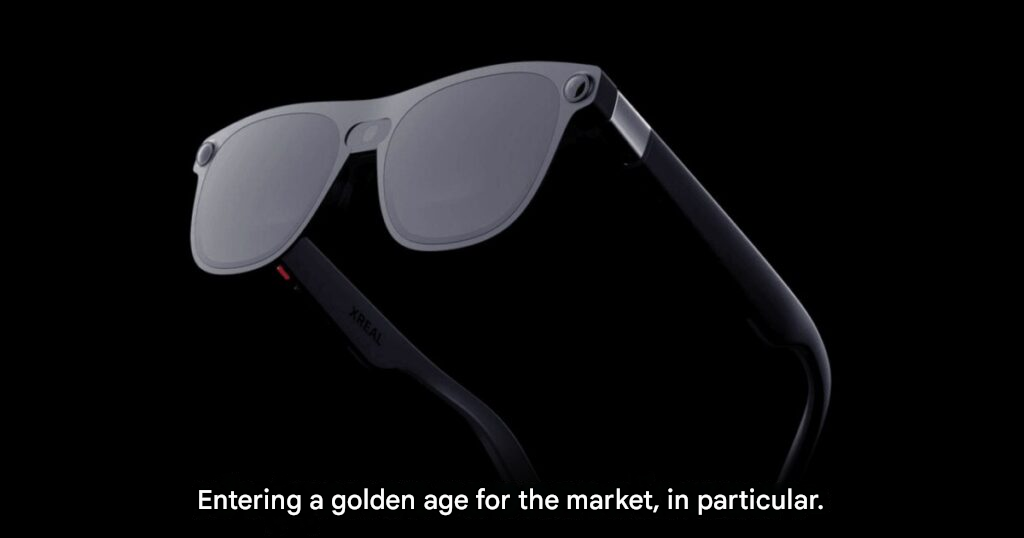
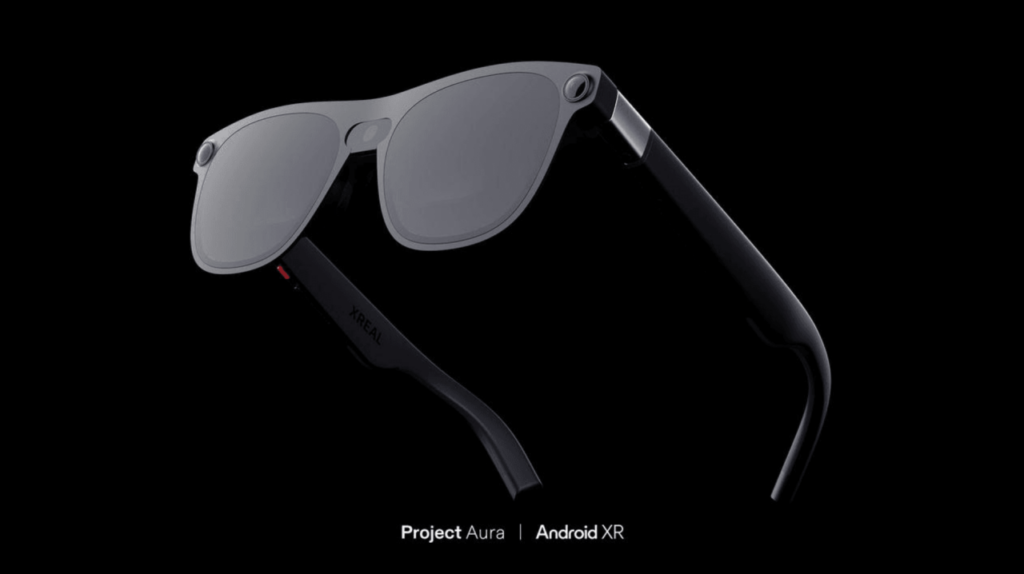
Chi Xu, founder and CEO of Xreal, admitted that the business remains difficult for everyone involved. Xreal has worked closely with Google for years, and Xu recently appeared at Google I/O in Mountain View to showcase Project Aura, the company’s latest attempt to build XR glasses that people may actually want to wear every day.
A Market That Has Struggled for Years
The biggest problems with earlier smart glasses were easy to see. Many devices looked bulky, felt uncomfortable, and appeared awkward in public. Some also lacked useful software, which made them feel more like expensive experiments than practical everyday tools.
However, people in the industry now believe the market may be reaching a major turning point. One reason is the success of Meta and Ray-Ban, which showed that smart glasses can attract real buyers. Even so, the division behind those products still faces massive losses, which shows how difficult this category remains.
For Xreal, the key challenge is bringing all important pieces together at the right time. Xu believes the hardware, operating system, and user interface must all be ready before smart glasses can become truly useful.
Project Aura Brings OLED Displays and Wider Use Cases
The latest Xreal Aura model features OLED displays built into the glasses frame. These displays allow users to watch high-resolution content directly through the lenses. However, the device still needs to connect to a small phone-like processing unit called the Puck.
Users can place the Puck in their pocket while wearing the glasses. While this design adds some awkwardness, it also supports a wider range of experiences.
Project Aura can support immersive Google Maps, YouTube videos in VR format, and a drawing app that uses hand tracking to create holographic images. These features show that Xreal wants the device to become more than a simple screen replacement.
Xreal Wants Smart Glasses to Feel Seamless
Xreal aims to make smart glasses useful in daily life. The company imagines users following floating recipes while cooking, setting up a private workspace inside a coffee shop, or watching a movie on a large virtual screen at home.
Xu also sees professional use cases for the device. He explained that smart glasses are not only for watching entertainment, such as an NBA game in holographic format. They could also help people bring a portable workspace anywhere, including cafés or flights.
This direction gives XR glasses a more practical role. Instead of focusing only on entertainment, Xreal wants Project Aura to support productivity, mobility, and flexible digital spaces.
Commercial Launch Planned Within the Year
For now, the glasses are available only for developers. However, Xreal plans to release them commercially later this year.
The company also expects the device to cost less than some premium competitors, which may start at around $1,000. That lower pricing could help Xreal reach more users, especially if the final product delivers enough comfort and practical value.
Xreal is also preparing for an IPO before the end of 2026. At the same time, Xu said the company continues to improve gross margin while lowering marketing and sales costs. He believes the company may reach break-even next year.
THIS IS our take
Xreal is entering a difficult market, but its timing feels stronger than before. Smart glasses no longer feel like a distant science fiction idea because consumers already understand wearable tech better today. The real test for Project Aura will be comfort, price, and whether users find enough practical reasons to wear it daily.
This Is Game SEA
SOURCE: TechCrunch