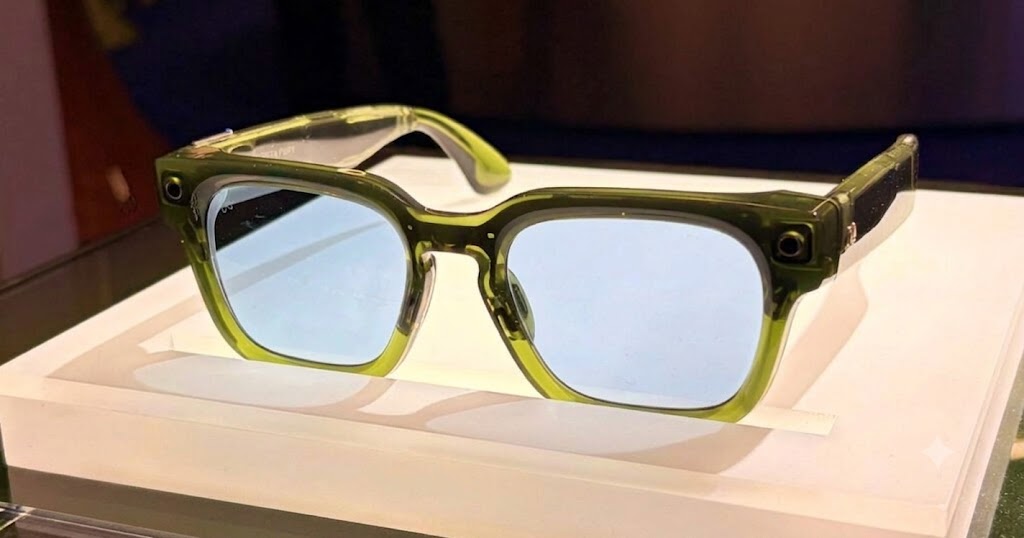
Meta smart glasses privacy concerns are becoming harder to ignore as the company pushes deeper into wearable technology. Its latest smart glasses move away from the familiar Ray-Ban branding and lean more into Meta’s own design direction.
That shift may help Meta reach more users. However, it also places the company directly in the middle of a much bigger privacy debate.
Meta Smart Glasses Privacy Depends on Social Learning
According to the source, Andrew Bosworth, Meta’s chief technology officer, believes society will eventually learn how to handle smart glasses in public spaces.
He compared the situation to the early days of camera phones. At first, people felt uncomfortable with phones that could take photos anywhere. Over time, however, camera phones became normal in daily life.
Bosworth’s point is clear. Social norms may shape how people accept smart glasses, just as they did with smartphones.
Still, that answer may not satisfy everyone.
Wearable Cameras Feel Different From Smartphones
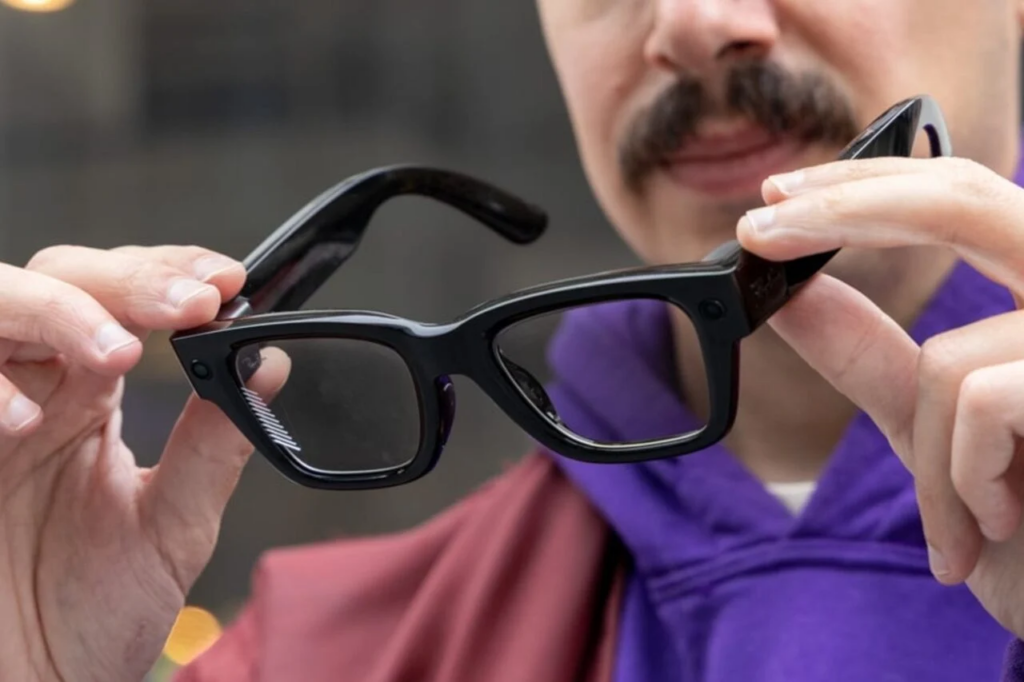
Meta smart glasses privacy concerns hit differently because glasses sit directly on a person’s face.
A smartphone usually makes recording more obvious. A person has to lift the phone, point it, and hold it. Smart glasses can feel more subtle, especially when cameras and microphones blend into normal eyewear.
That creates a different kind of discomfort for people nearby.
Someone may not know if the wearer is simply looking around, taking a photo, recording video, or using AI features to process what they see. Because of that, a small indicator light may not be enough to make everyone feel safe.
Critics Want Stronger Hardware Protections
The source notes that some observers see Meta’s approach as pushing too much responsibility onto society.
Instead of adding stronger hardware protections, Meta appears to rely heavily on transparency and social adjustment. However, concerns remain about people modifying devices, secretly recording, or removing recording indicators.
Critics also question why there is no stronger physical privacy option, such as a camera cover for moments when users want to wear the glasses without recording anything.
That kind of protection may sound simple. Yet it could help people around the wearer feel more confident.
AI Makes the Privacy Question Bigger
The privacy debate becomes more serious when AI enters the picture.
Smart glasses are not only cameras. They can become wearable sensors that collect images, sounds, locations, faces, and behavior patterns.
The source also points to Meta’s already difficult reputation around personal data. Because of that history, some users may question whether social learning alone is enough.
For many people, the concern is not only “Can this device record me?” The bigger question is, “What happens to that data after recording?”
Public Trust May Decide the Future
Meta smart glasses privacy may become one of the biggest tests for wearable tech.
If people accept smart glasses as normal, the category could grow quickly. If people see them as invasive, they may face the same social resistance that hurt earlier wearable camera products.
This means Meta needs more than stylish hardware. It also needs public trust.
For more technology and gaming updates, visit This Is Game SEA.
THIS IS our take
Meta smart glasses privacy is not only a tech problem. It is a trust problem. Social norms can change, but companies should not use society as free beta testers for privacy boundaries. If smart glasses are going to become normal in public life, users need clear rules, stronger safeguards, and hardware choices that respect the people around them.