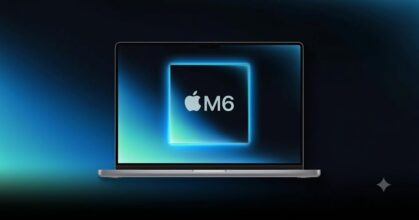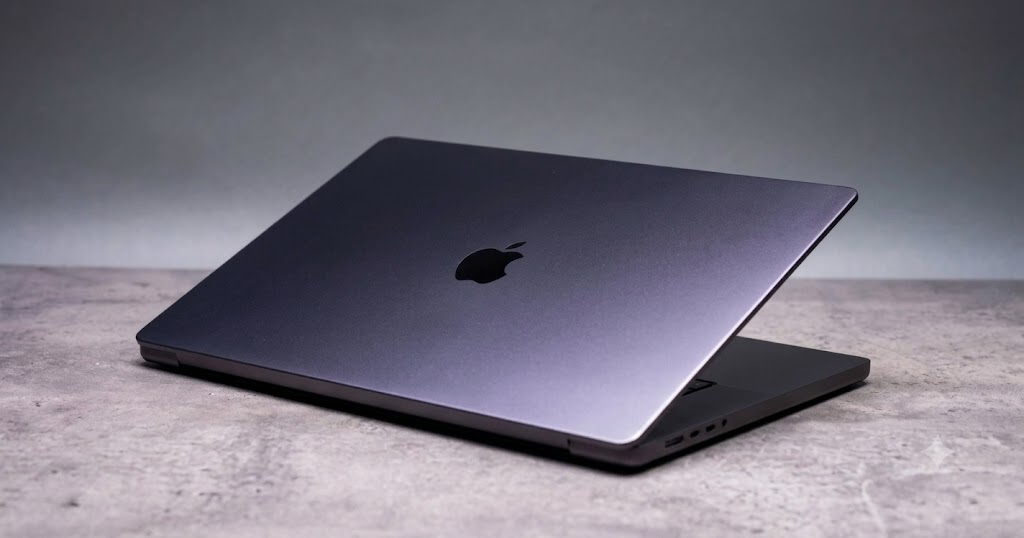
Apple M7 chip development may be moving faster than expected, as Apple reportedly changes its usual Mac chip strategy to focus more aggressively on AI performance.
According to the source, Apple is preparing to skip higher-end M6 Pro, M6 Max, and M6 Ultra variants. Instead, the company may focus its engineering resources on pushing the M7 family forward, with the next-generation lineup designed around stronger on-device AI processing.
For Mac users, this could make the next upgrade cycle more complicated. The standard M6 may still arrive, but the bigger leap could come with M7.
Apple M7 Chip Becomes the Bigger Priority
The biggest change is Apple’s reported shift in direction.
Rather than releasing a full M6 family across standard, Pro, Max, and Ultra tiers, the source says Apple may reduce the plan to only the standard M6 chip. This would allow engineers to focus more time and resources on the Apple M7 chip lineup.
The reason is clear: AI demand is rising quickly, and hardware needs to keep up.
M6 May Still Arrive for Entry-Level Macs
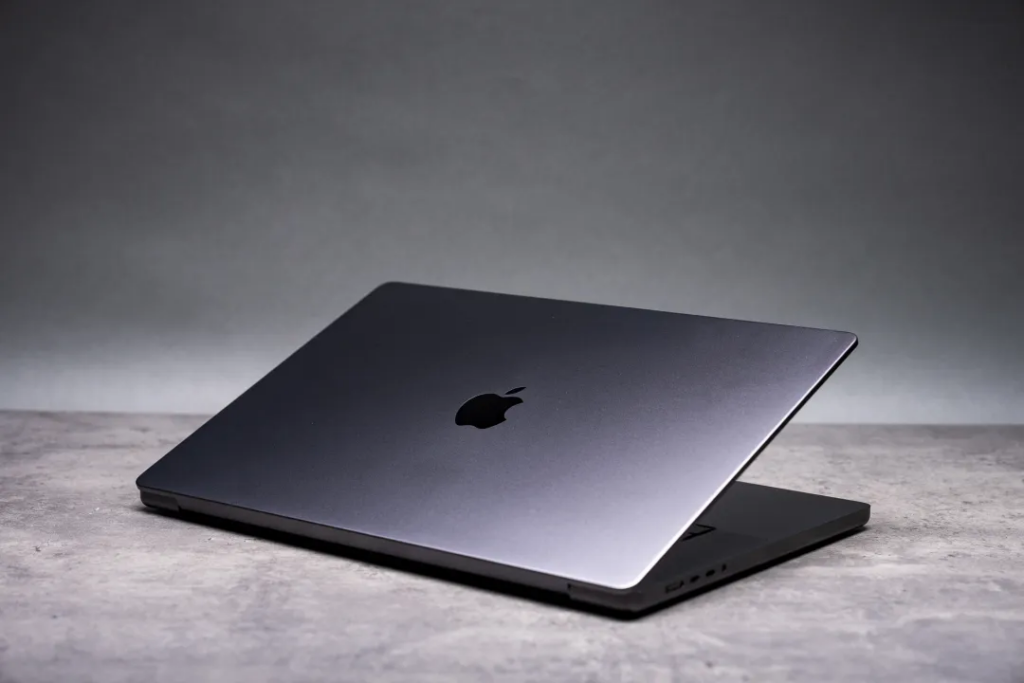
The standard M6 chip is still expected to appear in entry-level notebooks later this year.
According to the source, this base chip should improve CPU and graphics performance compared to the previous M5 generation. It may also offer memory bandwidth of up to 200 GB/s, helping everyday tasks feel smoother and more responsive.
However, users waiting for stronger M6 Pro, Max, or Ultra machines may not see those options arrive in the same way Apple has done before.
Apple Wants Better On-Device AI Performance
The Apple M7 chip is being positioned as an important step for future AI workloads.
The source says the M7 lineup may target on-device AI processing more directly. That matters because more software is starting to depend on local AI features, large language models, creative tools, and heavier background processing.
If Apple can improve AI performance on the Mac itself, users may get faster response times without depending as much on cloud-based processing.
Memory Bandwidth Could Jump Again
One of the key improvements mentioned in the source is memory bandwidth.
The Apple M7 chip lineup is expected to reach up to 240 GB/s of memory bandwidth. That would be a major jump from the reported 200 GB/s target for the standard M6.
For users working with large creative files, graphics-heavy software, AI tools, or multitasking-heavy workflows, that added bandwidth could make a noticeable difference.
High-End Mac Buyers May Need to Wait
This reported change may affect users planning to buy high-end Macs soon.
If Apple skips the stronger M6 variants, MacBook Pro, Mac Studio, and other performance-focused users may need to decide whether to buy current hardware or wait for the M7 generation.
That decision depends on workload. Users who need a machine now should still choose based on current needs. However, users who specifically want the next big AI-focused hardware leap may find M7 more interesting.
AI Is Changing the Mac Upgrade Cycle
The source frames this move as part of Apple’s need to stay competitive in the AI era.
As AI software becomes more common, chip design needs to prioritize more than traditional CPU and graphics improvements. Memory bandwidth, local processing, and fast model handling are becoming much more important.
That means future Mac upgrades may no longer be judged only by raw CPU speed. AI performance could become one of the biggest selling points.
A Strategic Move With Some Risk
Skipping higher-end M6 variants could help Apple move faster, but it also creates a gap for users who expected a normal yearly upgrade path.
Some buyers may delay purchases until the Apple M7 chip arrives. Others may feel frustrated if they were waiting for a new Pro or Max machine in the M6 generation.
Still, if the M7 lineup delivers a stronger AI-focused upgrade, the wait may make sense for users who want a more future-ready Mac.
For more technology and gaming lifestyle updates, visit This Is Game SEA.
THIS IS our take
Apple M7 chip development shows how quickly AI is changing hardware strategy. Apple skipping higher-end M6 variants would be unusual, but it also makes sense if the company believes M7 can deliver a much bigger leap. For everyday users, the standard M6 may be enough. For power users and AI-heavy workflows, waiting for M7 could be the smarter move.