3 Square Enix Games That Nearly Failed Before Becoming Massive Successes
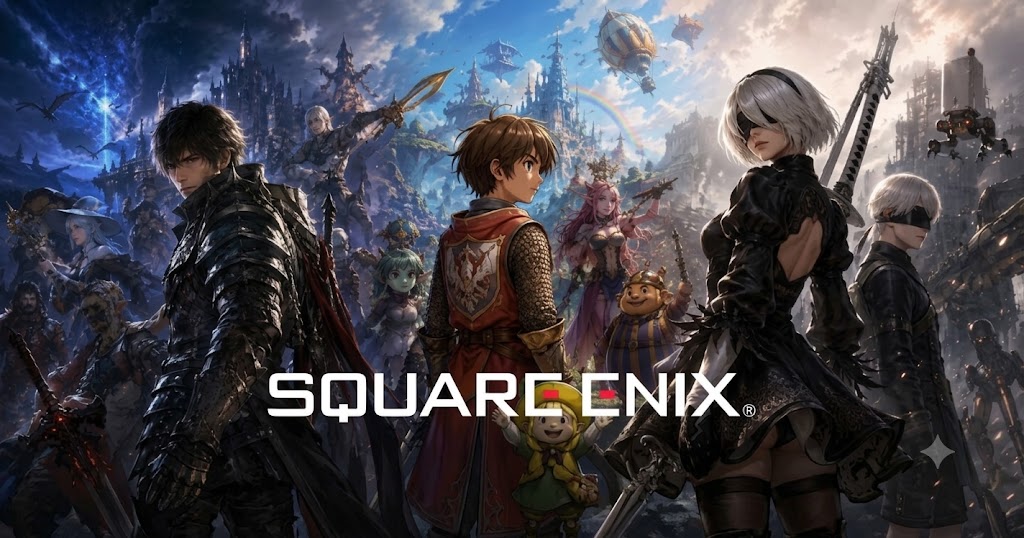
Over the past several years, Square Enix has faced criticism for a number of projects that struggled to find an audience. However, long before recent discussions about failed experiments and shifting industry trends, the company also delivered some of gaming’s most remarkable comeback stories.
From disastrous launches to projects that many believed nobody wanted, these three titles overcame overwhelming challenges and eventually became some of Square Enix’s most valuable and enduring successes.
1. Final Fantasy XIV — From Catastrophe to the Company’s Greatest Goldmine
Today, Final Fantasy XIV stands among the most successful MMORPGs in the world, but its journey began with one of the most infamous launches in gaming history.
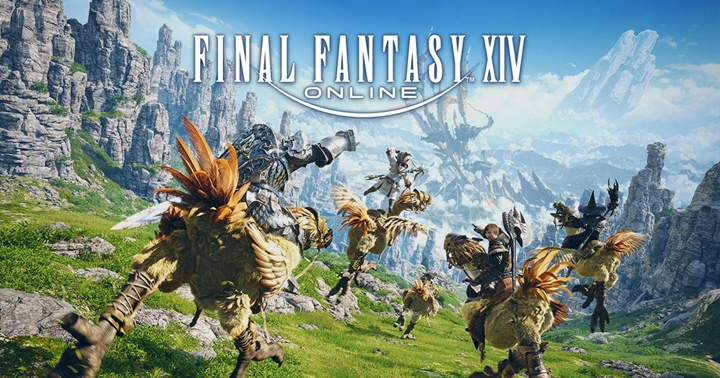
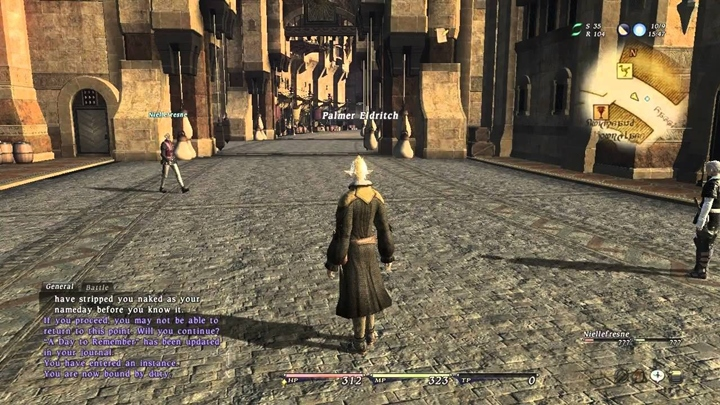
When Version 1.0 launched in 2010, players encountered countless problems ranging from a cumbersome user interface and technical issues to performance demands that pushed hardware and servers beyond their limits. Reviews were overwhelmingly negative, player numbers dropped rapidly, and the situation became so severe that Square Enix’s leadership publicly apologized and temporarily suspended subscription fees.
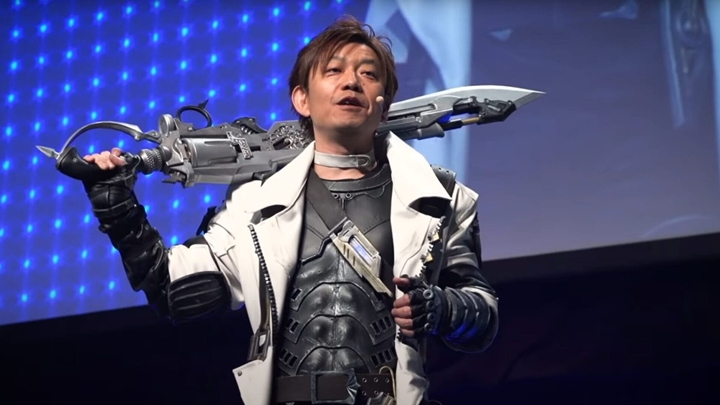
Rather than abandoning the project, Square Enix made a bold decision by appointing Naoki Yoshida (Yoshi-P) to lead a complete overhaul of the game.
The company ultimately chose to rebuild the MMORPG from the ground up, culminating in the launch of Final Fantasy XIV: A Realm Reborn in 2013. By redesigning core systems, rebuilding the game’s infrastructure, and actively listening to player feedback, Square Enix transformed a near-disaster into one of the biggest success stories in MMORPG history.
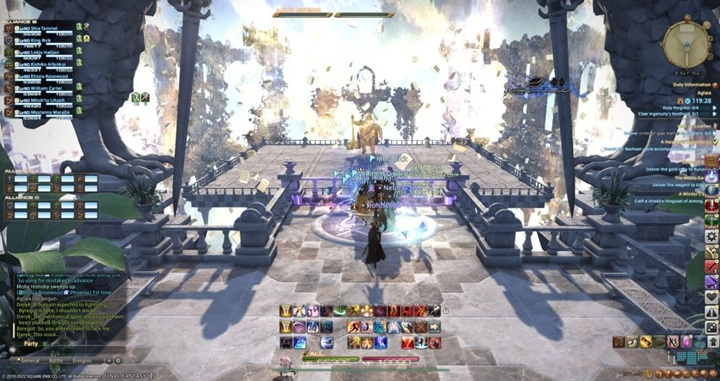
Today, Final Fantasy XIV continues to receive critically acclaimed expansions and remains one of the company’s strongest sources of recurring revenue.
2. Dragon Quest X — The MMO Nobody Asked For That Refused to Die
Few franchises are as beloved in Japan as Dragon Quest, which made the announcement of Dragon Quest X particularly controversial.
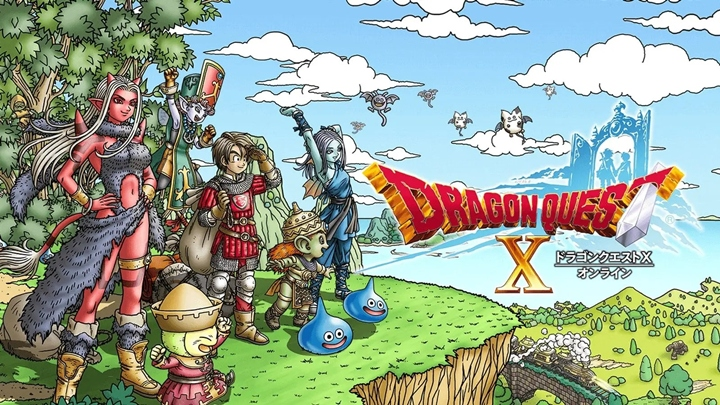
When Square Enix revealed that the next mainline entry would be an MMORPG in 2012, many longtime fans reacted negatively. Dragon Quest had always been associated with traditional single-player adventures, and the move toward an online subscription-based experience was met with skepticism.
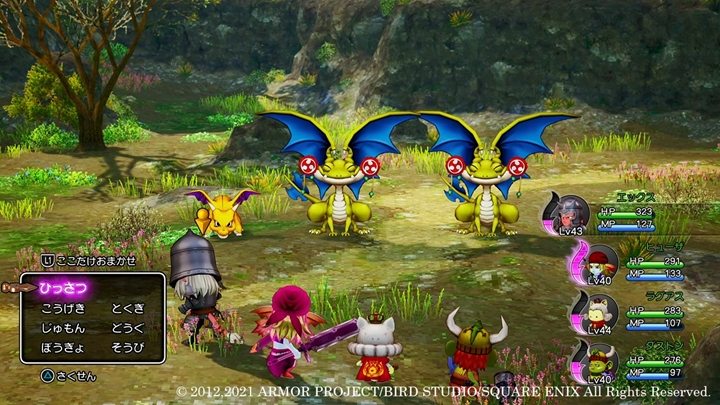
Early adoption proved slower than expected, especially with its initial release on the Wii during the latter part of the platform’s lifecycle. Critics questioned whether turning Dragon Quest into an MMO had been a mistake.
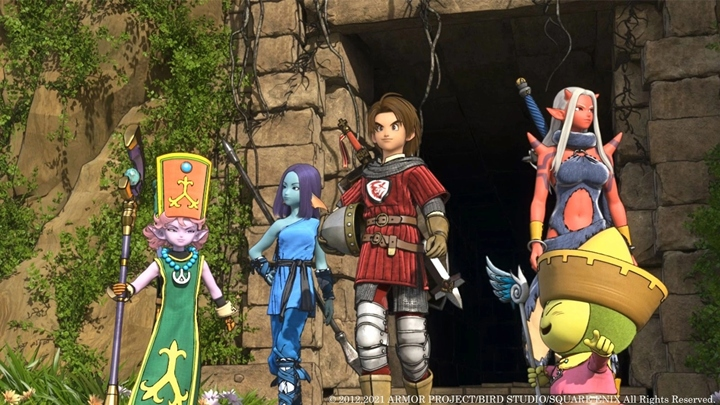
Instead of giving up, Square Enix focused on addressing player concerns. The development team gradually introduced features that made the game more enjoyable for solo players, including AI companions capable of assisting during quests and story progression.
The company also expanded the game to additional platforms including PC, PlayStation 4, Nintendo Switch, and cloud-based services, making it easier for players to access the game.
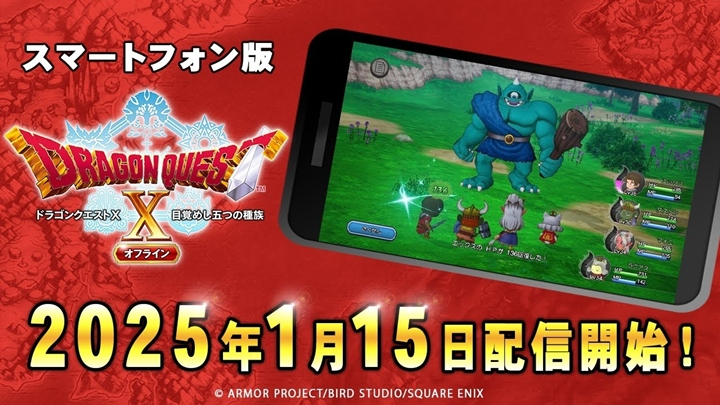
Those efforts paid off. Dragon Quest X has remained operational for more than a decade and continues to maintain a dedicated player base. Its success eventually led to the release of Dragon Quest X Offline, allowing players to experience the game’s early story content in a traditional single-player format.
3. NieR: Automata — Reviving a Forgotten Franchise
Before NieR: Automata became a global phenomenon, the future of the NieR franchise looked bleak.
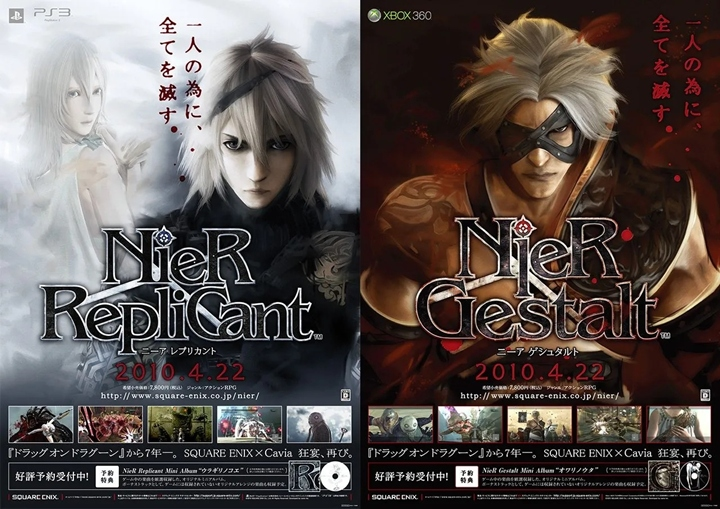
The original NieR, released in 2010, struggled commercially and received mixed responses regarding its gameplay. The situation worsened when developer Cavia was dissolved, leaving the series without a clear future.
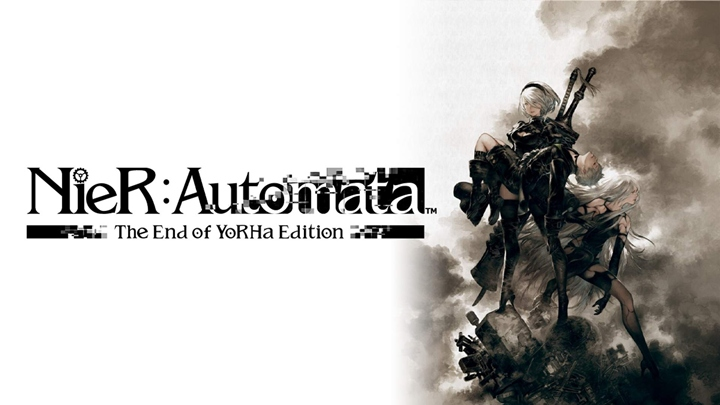
Many within the industry viewed a sequel as a risky investment, and few expected Square Enix to revisit the franchise.
However, producer Yosuke Saito continued to believe in director Yoko Taro’s creative vision. To strengthen the sequel’s gameplay, Square Enix partnered with PlatinumGames, whose expertise in action combat helped transform the experience into something far more fluid and engaging.
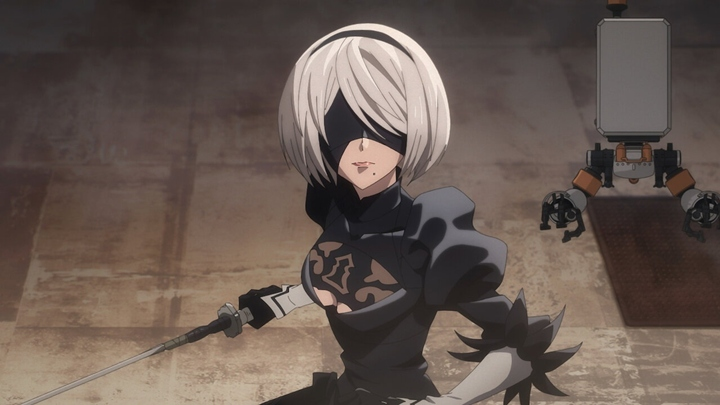
At the same time, the game’s visual identity and character design, particularly protagonist 2B, quickly captured global attention even before launch.
The gamble paid off spectacularly.

NieR: Automata went on to sell more than 8 million copies worldwide, becoming one of Square Enix’s most successful modern titles. The game’s success revived the NieR brand, led to anime adaptations, collaborations, spin-offs, and restored Yoko Taro’s status as one of the industry’s most respected creators.
Learning From Failure
The stories of Final Fantasy XIV, Dragon Quest X, and NieR: Automata demonstrate that some of gaming’s greatest successes can emerge from situations that once appeared hopeless.
Whether through rebuilding an MMO from scratch, reimagining an unpopular concept, or investing in a struggling franchise, Square Enix proved that listening to players, embracing change, and committing to long-term improvement can sometimes deliver results far greater than chasing the latest trend.
THIS IS our take
Square Enix’s biggest successes weren’t always guaranteed. In fact, some of its most profitable and beloved games were once viewed as failures in the making. The journeys of Final Fantasy XIV, Dragon Quest X, and NieR: Automata serve as powerful reminders that persistence, player feedback, and strong creative vision can turn even the most troubled projects into industry-defining successes.
This Is Game SEA
Source
siliconerasiliconera2netflixwccftech