Is the Era of Physical Console Games Coming to an End?
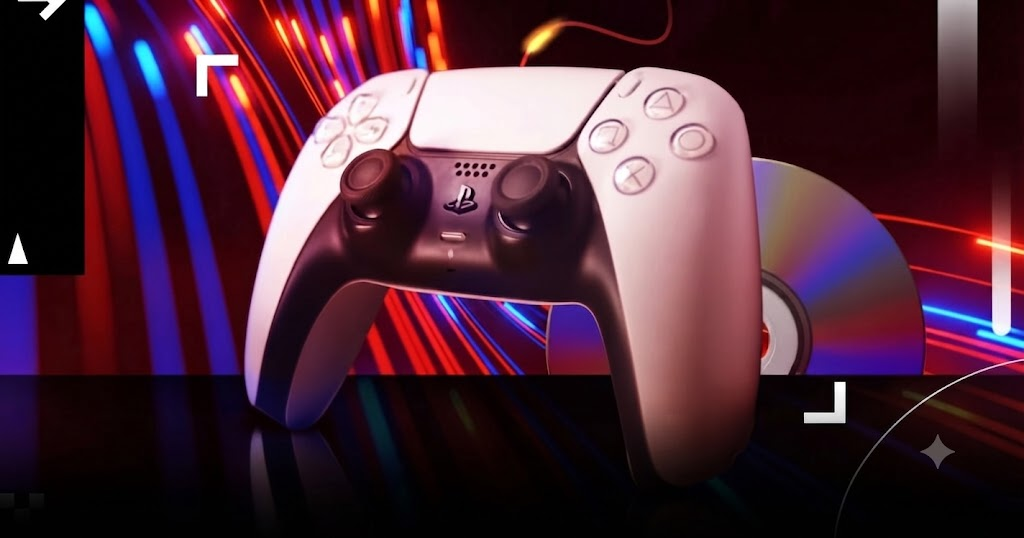
The gaming industry appears to be moving steadily toward an all-digital future. Reports surrounding major publishers reducing physical releases and speculation about Sony’s long-term plans for disc-based PlayStation games have reignited discussions about what this shift could mean for players.
While physical media has long been a staple of console gaming, PC players have already experienced this transition. Digital storefronts have become the standard, raising an important question: will consoles eventually follow the same path?
PC Already Made the Transition
When Steam launched in 2003, many PC gamers criticized it as an unnecessary DRM platform. However, as internet speeds improved and digital distribution became more convenient, Steam evolved into the dominant platform for PC gaming.
Frequent sales, instant downloads, automatic updates, and cloud saves eventually made digital purchases more attractive than buying boxed copies. Today, many laptops and desktop PCs no longer even include optical disc drives, reflecting just how complete that transition has become.
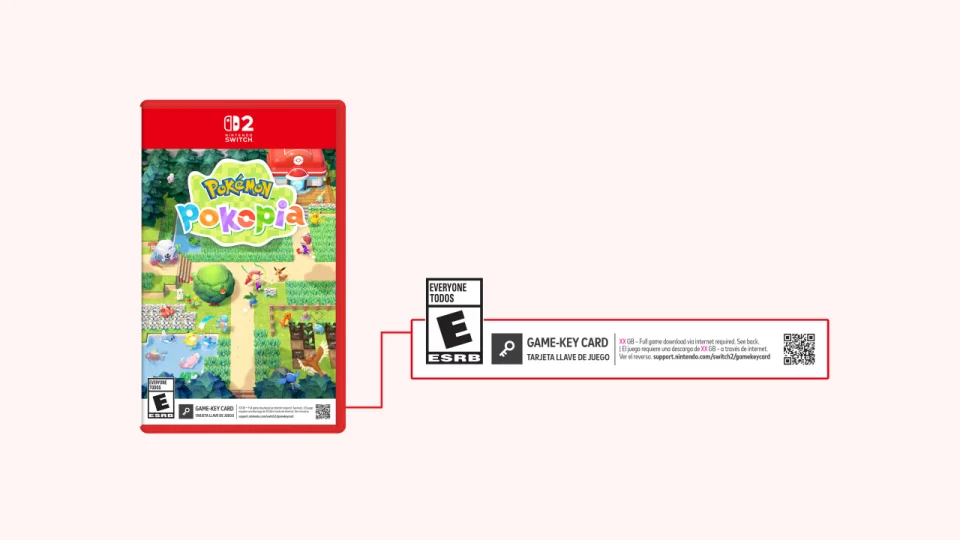
Consoles Face a Different Challenge
Although consoles may appear to be heading in the same direction, their ecosystem differs significantly from PC. Digital distribution on consoles typically operates within a closed platform controlled by the hardware manufacturer.
If physical discs disappear entirely, players lose one of the few remaining alternatives to purchasing directly through official digital storefronts. That change could reduce competition, limit the second-hand market, and give platform holders greater influence over pricing and availability.
Ownership vs. Licensing
One of the biggest concerns surrounding digital-only gaming is ownership. Purchasing a digital game generally grants users a license to access the software rather than ownership of a physical copy.
Without physical media, players have fewer options if a game is delisted from digital stores or if licensing agreements change. While major console platforms generally continue allowing owners to download previously purchased games, digital media has demonstrated that purchased content can become unavailable under certain circumstances, keeping concerns about long-term ownership alive.
Game Preservation Matters
Another major issue is preservation. Physical discs have historically served as archival copies of games, although many modern releases now rely heavily on downloadable patches and updates.
As the industry shifts further toward digital distribution, preserving gaming history increasingly depends on publishers and platform holders maintaining access to older titles. Without strong backward compatibility initiatives and long-term digital preservation efforts, some games could eventually become difficult—or impossible—to experience legally.
The Digital Future Is Already Here
Despite ongoing concerns, the shift toward digital distribution has been building for years. Convenience, faster internet speeds, and online storefronts have fundamentally changed how people purchase games.
For players, the discussion is no longer simply about whether physical games will disappear, but about ensuring that digital convenience is balanced with fair pricing, consumer rights, and long-term game preservation. As the industry continues evolving, maintaining that balance will likely become one of gaming’s biggest challenges.
Origin: IGN