7 Game Companies That Sell Old Games at Premium Prices
Have you ever looked back at an old game from your childhood and thought, “I want to play that again”?
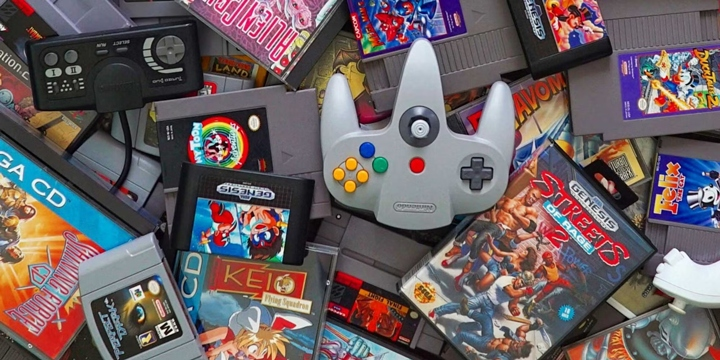
Maybe it was a game you played after school. Maybe it was a classic you enjoyed on an old TV, handheld, arcade cabinet, or early console. Now that many of us are older and have more buying power, it feels natural to want those memories back on modern platforms.
Then you open the online store, check the price, and ask the painful question:
“Why is this 20-year-old game still this expensive?”
Welcome to the world of the Nostalgia Tax.
In gaming, nostalgia has become a powerful business tool. Some major publishers know very well that longtime fans are willing to pay for childhood memories. Because of that, classic games are often ported, remastered, repackaged, or bundled again at prices that sometimes feel too close to brand-new releases.
Here are seven game companies often associated with selling older games at premium prices.
1. Nintendo
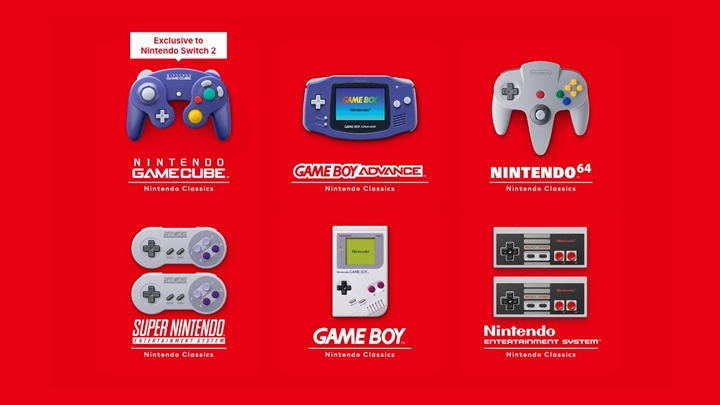
When talking about companies that strongly protect and monetize their older games, Nintendo is almost impossible to ignore.
Many gamers already know the phrase Nintendo Tax. It refers to the way Nintendo games often stay expensive for years, with discounts being rare compared to other publishers. This also applies to older games that are brought back to modern hardware.
A clear example is The Legend of Zelda: Skyward Sword HD.
The game originally launched on Wii in 2011, but its Nintendo Switch version was sold at a premium price of around $59.99. While the HD version improved resolution and adjusted some controls, many players still felt the price was very high for a game that was already more than a decade old.
For Nintendo fans, the message often feels simple: if you want to revisit Nintendo’s classic library officially, you need more than money. You need true dedication.
2. Konami
Konami is another major publisher with several legendary franchises in its vault.
Over the years, however, many fans have felt that Konami became more interested in repackaging older IPs than investing heavily in major new entries. The company has several iconic properties, but some of its re-releases have been criticized for their pricing and technical quality.
One major example is Metal Gear Solid: Master Collection Vol. 1.
The collection was sold at a premium price, but many fans felt the package did not do enough to modernize the games. The PC version also received criticism at launch due to technical issues, limited resolution options, and a feeling that the ports were too close to the original versions without enough improvement for modern hardware.
For a franchise as beloved as Metal Gear, fans expected more care. Instead, many felt they were paying a high price for a collection carried mostly by nostalgia.
3. SEGA and Atlus
SEGA and its subsidiary Atlus also know the power of nostalgia very well.
On SEGA’s side, one example often discussed by fans is Sonic Origins. The collection brought together classic Sonic games, but it was criticized for its pricing structure and the way some extra features were separated into DLC.
Another issue that frustrated fans was the removal of cheaper older versions from digital storefronts, which pushed players toward the newer and more expensive package.
Meanwhile, Atlus has its own pattern that longtime fans know well. The company often releases an original version of a game, then later releases a more complete or upgraded version at full price.
For fans who already bought the first release at launch, this can feel frustrating, especially when there is no simple upgrade path or discount option.
Whether it is Sonic nostalgia or expanded RPG editions, SEGA and Atlus have both shown how powerful fan loyalty can be when old favorites return.
4. Bandai Namco Entertainment
Bandai Namco Entertainment has a deep catalog of anime games, RPGs, and console classics.
Because of that, the company has plenty of older titles that fans still love. However, some re-releases have been criticized for feeling too expensive compared to the quality of the actual port.
One example is Tales of Symphonia Remastered.
The original Tales of Symphonia is a beloved RPG, but the remastered release disappointed many fans. It was based on a version that already had limitations, including a 30fps cap, and the new release also launched with technical problems such as visual bugs and performance issues.
For fans who had strong memories of the original game, the remaster felt painful. The game itself was loved, but the quality of the modern release did not feel strong enough to justify the premium treatment.
It became another example of nostalgia being sold back to players in a form that did not fully respect the original experience.
5. SNK Corporation
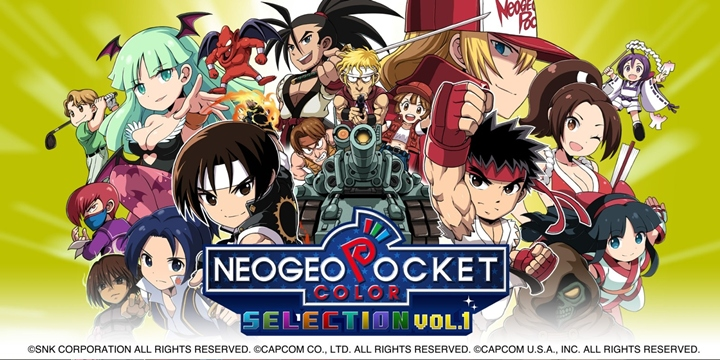
For arcade and fighting game fans from the 1990s, SNK Corporation carries a lot of history.
The company is strongly tied to the Neo Geo era, classic fighting games, and arcade memories. Today, much of SNK’s retro business continues to rely on that nostalgia.
One example is the NEOGEO Pocket Color Selection series.
These collections bring back old handheld games with simple pixel visuals and classic presentation. For true retro fans, that can be charming. However, the pricing can still feel surprising, especially when these games are essentially older ROM-based releases repackaged for modern platforms.
SNK’s appeal is strongest for longtime fans who want to relive the feeling of old arcades and handheld gaming. But for casual players, the price of some collections may feel hard to justify.
This is nostalgia aimed directly at players who grew up with SNK and still want to preserve that feeling today.
6. Blizzard Entertainment
Blizzard Entertainment was once one of the most respected names in PC gaming, especially for strategy and RPG fans.
The company built massive loyalty through classics from the 1990s and 2000s. But that same loyalty also made expectations extremely high when Blizzard decided to revisit old games.
The most infamous example is Warcraft III: Reforged.
Before launch, the game was promoted as a major remaster of a legendary strategy title, with improved visuals and ambitious presentation. Many fans paid early because they trusted the legacy of Warcraft III.
But when the game arrived, it was met with heavy criticism. Some promised features were missing, older features were removed, and the update also affected the original version of Warcraft III. For many fans, this felt like paying for a remaster that damaged the memory of the original.
Among modern remaster controversies, Warcraft III: Reforged remains one of the strongest examples of how badly nostalgia can backfire when expectations are not met.
7. Square Enix
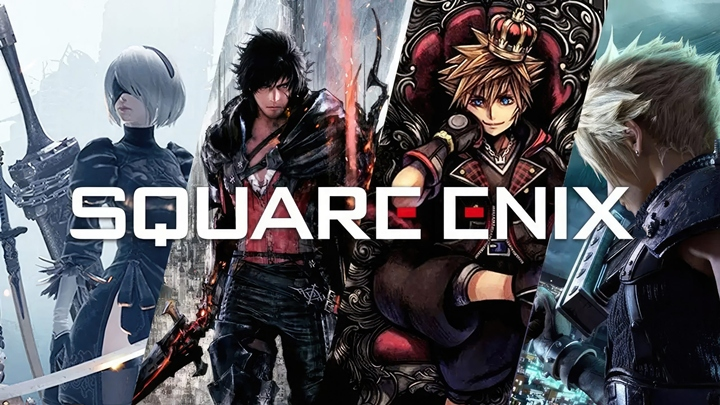
Square Enix has one of the most beloved catalogs in JRPG history.
For many players, especially longtime RPG fans, the company’s older titles are tied to powerful childhood memories. But Square Enix is also known for pricing many of its classic re-releases aggressively.
One clear example is the Final Fantasy Pixel Remaster series.
The collection brought Final Fantasy I through Final Fantasy VI back with updated pixel visuals, improved music, and modern features. However, each game was sold separately, and buying the full set could become expensive.
For fans who wanted to preserve the entire classic Final Fantasy experience, the total cost could reach a premium level.
Square Enix understands how valuable its legacy is. Final Fantasy, Dragon Quest, and other classic franchises carry emotional weight for fans, and that emotional connection often comes with a higher price tag.
Nostalgia Has Become a Business Model
At the end of the day, the Nostalgia Tax works because players genuinely love these games.
Many people are not only paying for graphics, frame rates, or convenience. They are paying for a feeling. They are paying to return to a time when games felt simpler, childhood felt lighter, and favorite worlds felt magical.
That is why classic re-releases continue to sell, even when players complain about the price.
But there is still a balance that publishers need to respect. If a game is old, fans can accept paying again when the release adds real value, better performance, improved accessibility, or meaningful preservation. What frustrates players is when old games return with little effort, technical issues, missing features, or prices that feel too close to brand-new releases.
THIS IS our take
Nostalgia Tax is powerful because it targets the heart first and the wallet second. Players love Nintendo classics, Metal Gear, Sonic, Tales, Neo Geo, Warcraft, and Final Fantasy because these games shaped their memories. But love should not be treated as an unlimited credit card. If publishers want fans to keep supporting classic re-releases, they need to make those versions feel worth the price. Nostalgia is valuable, but respect for the original game and the player matters even more.
Any reader who wants to follow all the PC and console game news of This Is Game SEA can come here >>>click<<<