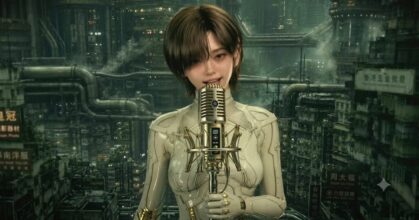
Neverness to Everness Sparks Controversy After Players Spot AI-Generated Assets
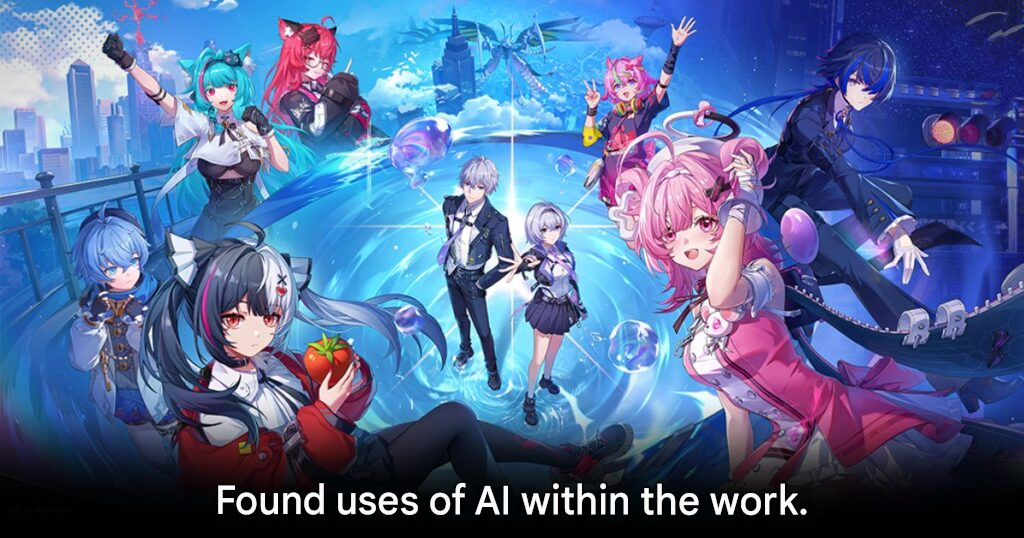
Hotta Studio Faces Heavy Backlash After AI Use Allegedly Found in Neverness to Everness
Hotta Studio, the developer under Perfect World Games, is facing intense criticism after players discovered what appear to be generative AI-created assets inside its upcoming open-world RPG, Neverness to Everness. The issue has quickly become a heated topic across the gaming community, especially among players and artists who are concerned about transparency, creative ethics, and the use of AI-generated materials in commercial games.
The controversy began after observant players pointed out that some visual elements in the game seemed to show signs of AI generation. The discovery upset many fans because the use of generative AI was allegedly not disclosed in advance, leading to questions about whether the developer had been fully honest with players, creators, and collaborators connected to the project.
Ironmouse Cancels Sponsored Stream After AI Concerns
One of the biggest moments that pushed the issue into the spotlight was the decision by popular VTuber Ironmouse to cancel a sponsored livestream promoting Neverness to Everness.
According to her team, they had previously received confirmation from the developer that the game did not use AI in any part of its production. However, after claims surfaced that some images and content in the game may have involved AI-generated work, Ironmouse decided to end the collaboration.
Her decision was widely seen as a public stance against the use of AI in creative projects when it is not handled with proper disclosure and transparency. For many fans, this cancellation turned the situation from a simple community complaint into a much larger industry discussion.
Voice Actor Meggie-Elise Also Expresses Disappointment
The controversy has also affected people directly involved with the game. English voice actor Meggie-Elise expressed disappointment after learning that the project she worked on had allegedly used AI without being upfront about it.
She stated that she was not told the truth about the use of AI and made it clear that she would not continue working with the team unless the issue was properly addressed or the problematic materials were removed.
Her response highlights how the issue extends beyond players alone. For voice actors, artists, streamers, and other creative professionals, undisclosed AI use can raise serious concerns about trust, consent, and respect for human-made work.
Players Share Alleged AI Evidence Online
Across social media, players have been sharing examples they believe point to AI-generated content inside Neverness to Everness. These include in-game advertising signs that appear distorted or unnatural, as well as strange-looking animation details in an 18-minute short film tied to the game.
Some of these elements reportedly show the kinds of visual mistakes commonly associated with generative AI, such as warped text, odd proportions, and unnatural motion. While these claims have spread widely, Hotta Studio has not yet released an official statement directly addressing the controversy.
Even without an official explanation, the situation has already damaged trust among some players. For a game built around a stylish open world and strong visual identity, questions about how its assets were created have become difficult to ignore.
Some Fans Believe the Backlash May Be Overblown
Not all players agree with the level of criticism being directed at Hotta Studio. Some fans believe the controversy may have been exaggerated, arguing that the alleged AI-created content appears to be limited to minor background elements such as posters, signs, or roadside advertisements.
Supporters of the game say these elements do not affect the main gameplay systems, missions, combat, or world design that make Neverness to Everness appealing. For them, the game still shows enough creativity and entertainment value to remain worth supporting.
This has created a divided discussion within the community. On one side are players and creators who believe the use of AI without clear disclosure is unacceptable. On the other side are fans who feel that the quality of the game itself should matter more if the alleged AI content is only used in small environmental details.
Perfect World Games Now Under Scrutiny
As the controversy grows, attention is also turning toward Perfect World Games and how it will respond. Since Hotta Studio operates under the company, many players are waiting to see whether any action will be taken to address the backlash, clarify the development process, or restore public confidence in the project.
The issue also arrives at a time when the broader games industry is still debating how AI should be used in development. While generative AI can speed up certain production tasks, many players and creatives remain concerned about originality, artist rights, disclosure, and whether AI-generated assets should appear in commercial games without clear notice.
The article also notes that Microsoft, a major industry partner in the broader gaming space, currently has a stock value of around $400 per share. While Microsoft has not been directly affected by this specific controversy, the wider industry response to AI use remains an important topic as major companies continue exploring the technology.
A Major Trust Test for Neverness to Everness
For Neverness to Everness, the controversy now represents more than a debate over a few background assets. It has become a test of trust between the developer, players, artists, streamers, and voice talent.
If Hotta Studio wants to rebuild confidence, many in the community will likely expect a clear explanation about whether generative AI was used, where it appeared, and whether the team plans to remove or revise any questionable content.
Until then, Neverness to Everness remains under close watch. The game still has fans who are excited about its open-world RPG experience, but the AI controversy has placed a major shadow over its public image before release.