4 Reasons Chinese Players Opposed Valko in Love and Deepspace
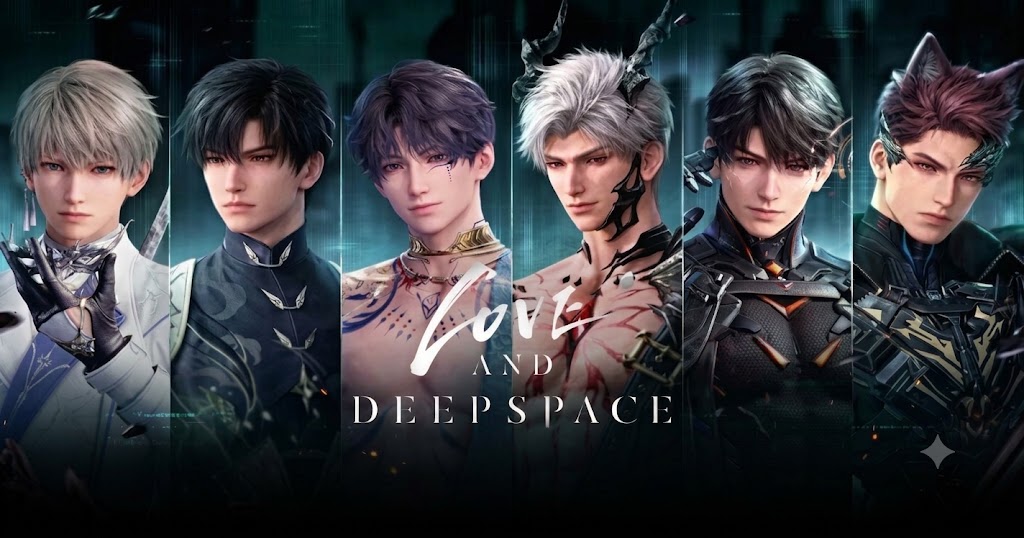
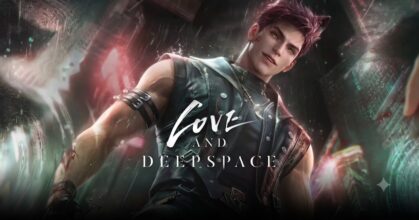
The Love and Deepspace community has been shaken by one of the biggest discussions in the Otome gaming scene after the popular 3D romance game introduced a new male character named Valko.
At first, the announcement looked like something that would excite fans with fresh content. However, not long after Valko was revealed, the official side made the sudden decision to remove the character following intense backlash from Chinese players, one of the game’s biggest customer bases.
The situation did not stop with the Chinese community. It also spread into wider drama involving global players and fans in other regions who felt disappointed that the new content was taken away.
For outsiders, adding a new character to an Otome game may sound like a positive move that gives players more choices and variety. However, for many Chinese players, Valko’s arrival touched several sensitive points that made the character difficult to accept.
Here are the 4 main reasons behind the backlash.
1. The Strong “One True Love” Culture Among Chinese Players
For many Otome game fans in China, the way they play is highly specific and deeply personal. A large number of players follow the idea of having only one main love interest, often described as having a single “main” character.
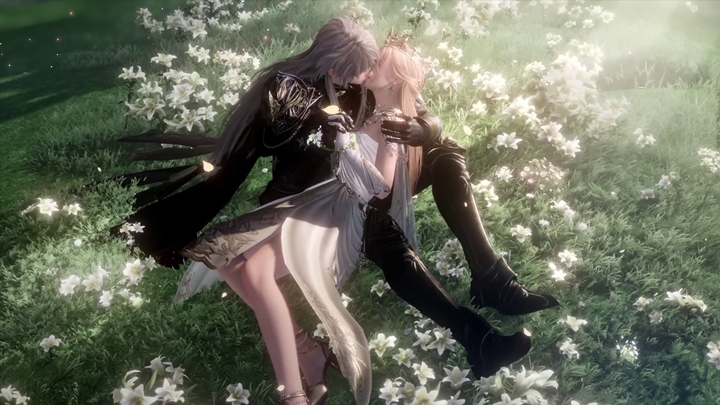
To these players, the male lead they support is not viewed as just a piece of in-game art or a digital character on the screen. Instead, the emotional bond can feel much closer to a real-life relationship.
Because of this, adding a new character like Valko can feel like introducing a “third party” into a relationship that players have already invested in emotionally for a long time.
This is why some Chinese players strongly opposed the new character. From their perspective, the game was trying to force a new man into their experience, potentially shaking the focus and emotional loyalty they had built with the existing male leads.
In China’s Otome game community, this kind of disruption is not easily accepted.
2. Concerns Over Divided Development Resources
Another major issue is the matter of development resources.
Love and Deepspace is a high-quality 3D game that requires significant budget and production time for animation, story content, and character materials. For many players, the money they spend in the game is tied directly to their favorite male lead.
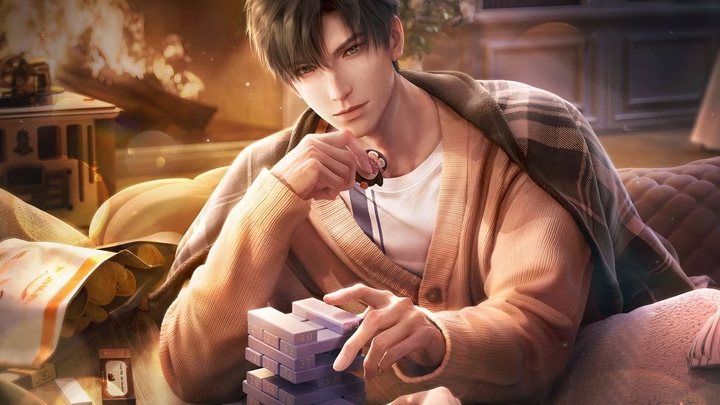
When Valko was announced, some Chinese players immediately became concerned that the developer would need to divide manpower, time, and budget to support the new character.
This raised worries that content for the existing male leads, including flashbacks, event cards, and story updates, could become slower or weaker in quality.
For these players, it felt unfair that the money they had spent for their favorite characters might now be redirected toward developing a new male character they did not ask for.
Instead of strengthening the characters they already loved, the concern was that resources would be shared with someone new.
3. Unwanted Content Can Become a Gameplay Burden
For general players, new events or systems may sound exciting. However, in a gacha-driven Otome game, adding a new male lead does not only mean adding another character.
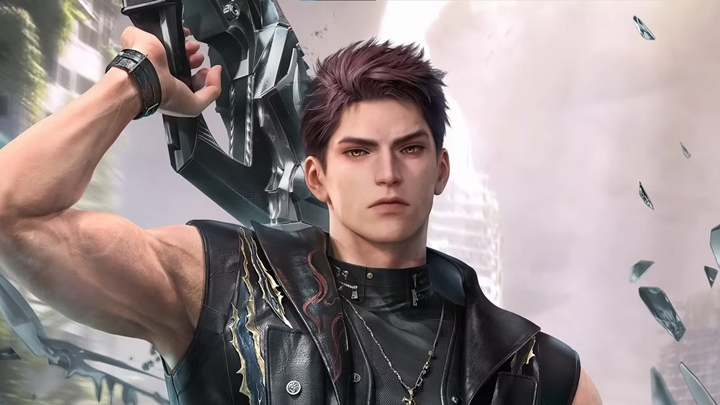
It can also mean more banners, more memory cards, more events, and more tasks connected to that character.
For some Chinese players, Valko-related content was not something they wanted. Instead, they saw it as another burden added to the game.
This concern applies both to the time needed to clear new missions and the pressure felt by collection-focused players who want to keep up with everything.
Rather than being able to enjoy the game calmly with their chosen favorite character, some players felt that the game was becoming too crowded with systems and content created to support someone they were not interested in.
That kind of pressure can lead to fatigue and burnout, especially for players who already feel deeply committed to following the game.
4. Sensitivity Over Broken Trust and Promises
The final issue that made the controversy grow even wider is the matter of trust.
In the past, some games in this genre gave players the impression, whether directly or indirectly, that the original group of male leads would remain the main focus. This helped players feel comfortable spending money and investing their emotions in those characters.
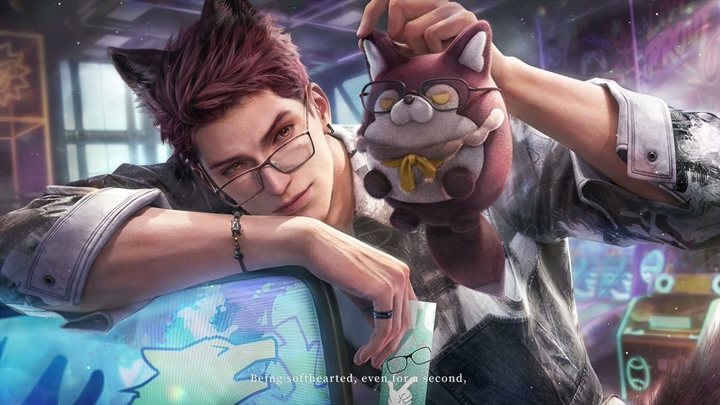
When Valko was suddenly introduced, some Chinese players saw it as the company going back on that understanding.
To them, this was not just a normal content update. It felt like a broken promise and a betrayal of the trust that long-time players had placed in the game.
The source article also points out that the Chinese gaming community is highly active when it comes to consumer rights. Because of that, players were not willing to simply ignore what they saw as a money-driven decision that overlooked the feelings of the existing fanbase.
The strong protest became a way to send a message to the official side: players have influence over the direction of the game, and the company must respect the expectations it created.
A Controversy That Shows the Power of the Player Base
The removal of Valko clearly shows how much influence a major player base can have over the direction of a live service game.
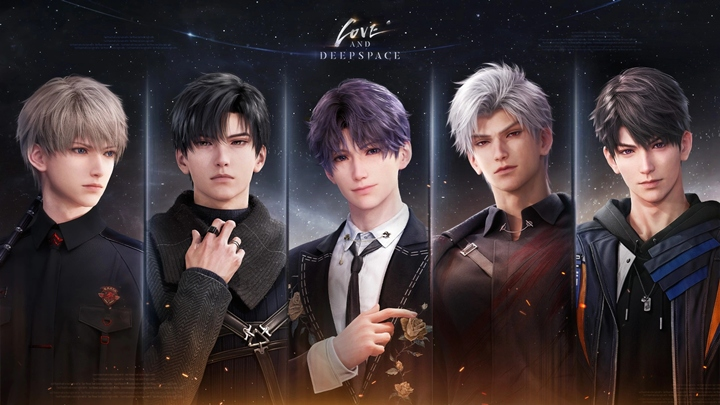
For global players and fans in other regions, the decision may feel disappointing because it means losing new content that some were excited to see. But for the Chinese community that opposed Valko, the backlash was about protecting the emotional space and relationship they had built with the characters they already loved.
The biggest challenge now falls on the game’s team. Moving forward, the question is how Love and Deepspace can continue expanding without hurting the feelings of its most dedicated players.

THIS IS our take
The Valko controversy is a reminder that Otome and character-driven games are not just about adding more content. For many players, emotional investment is the real core of the experience. For SEA and global audiences watching this unfold, the bigger question is how live service romance games can grow while still respecting the bonds players have already built.
This Is Game SEA