Sony’s Disc-Free 2028 Plan Raises Major Concerns Over Game Prices
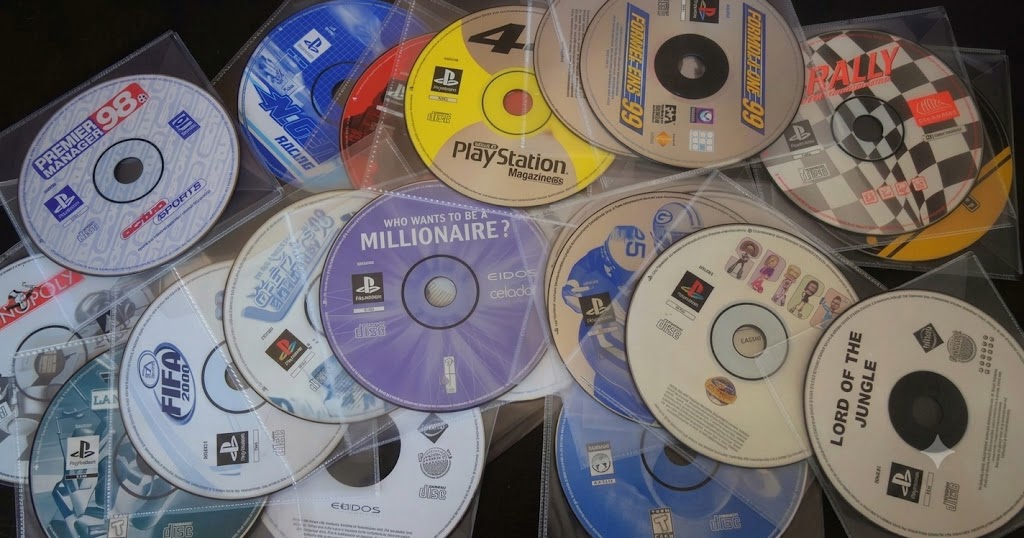
Sony is facing growing criticism over its reported plan to stop producing PlayStation game discs from January 2028, with consumer advocates warning that the move could create serious problems for players.
While the shift may look like another step toward an all-digital gaming future, critics argue that it could remove important consumer protections, reduce competition, and give Sony more control over how PlayStation games are priced and accessed.
A digital-only future could change how players buy games
The biggest concern is the loss of physical retail competition.
When physical discs are available, players can compare prices across different stores, wait for discounts, borrow games, trade them, or buy second-hand copies. If new PlayStation games move fully toward digital codes or digital storefront access, those options may become much more limited.
In that situation, PlayStation Store could become the main controlled marketplace for many players, giving Sony stronger influence over pricing and availability.

Dutch consumer group warns about price control
The report highlights concerns from a Dutch consumer group connected to the Fair PlayStation case.
The group argues that removing physical discs could eliminate one of the last major alternatives to Sony’s own digital store. Without physical copies and second-hand sales, players may have fewer ways to find cheaper options or resell games they no longer want.
This is why the issue is not only about convenience. It is also about market freedom, pricing pressure, and whether players still have meaningful choices when buying PlayStation games.
Game ownership becomes a bigger issue
Another major concern is ownership.
With a physical disc, players have something they can hold, lend, sell, or keep as part of a collection. Digital purchases work differently. Access may depend on store policies, account status, licensing agreements, and long-term server availability.
If a game is removed from a digital store, affected by licensing changes, or tied to an online service that later shuts down, players may feel less secure about what they actually own.
For collectors and long-time console fans, this is one of the hardest parts of a disc-free future to accept.
Second-hand games could suffer
The second-hand market is another major concern.
Used games help many players save money, especially in regions where new AAA releases can be expensive. They also allow players to trade old games toward new purchases, share titles with friends, or build collections more affordably.
If physical discs disappear, that ecosystem becomes much weaker. Players may lose the ability to resell their games, while retailers may lose an important part of the console gaming economy.
Long-term game access remains uncertain
A fully digital future also raises questions about preservation.
Players who have built large digital libraries may worry about what happens if online stores change, accounts are restricted, or older platforms lose support. While digital libraries are convenient, they are also more dependent on platform infrastructure than physical collections.
This makes the debate bigger than simple nostalgia. For many players, physical media still represents security, preservation, and control.
Sony may still need to rethink its approach
The reported 2028 timeline gives Sony time to evaluate player reaction.
If criticism continues to grow, the company may need to consider whether a fully disc-free PlayStation ecosystem is worth the risk. Digital distribution can reduce manufacturing and logistics costs, but players may expect those savings to appear through better pricing, stronger rights, or clearer access guarantees.
Without those benefits, the move could be seen as a loss for consumers rather than progress.
A disc-free future may be convenient for some players, but it also raises serious questions about pricing, ownership, second-hand access, and game preservation. For SEA players, where game prices and long-term value matter a lot, Sony will need to show that digital-only gaming can still protect choice and fairness.