Former PlayStation Boss Says Single-Player Story Games Will Never Die
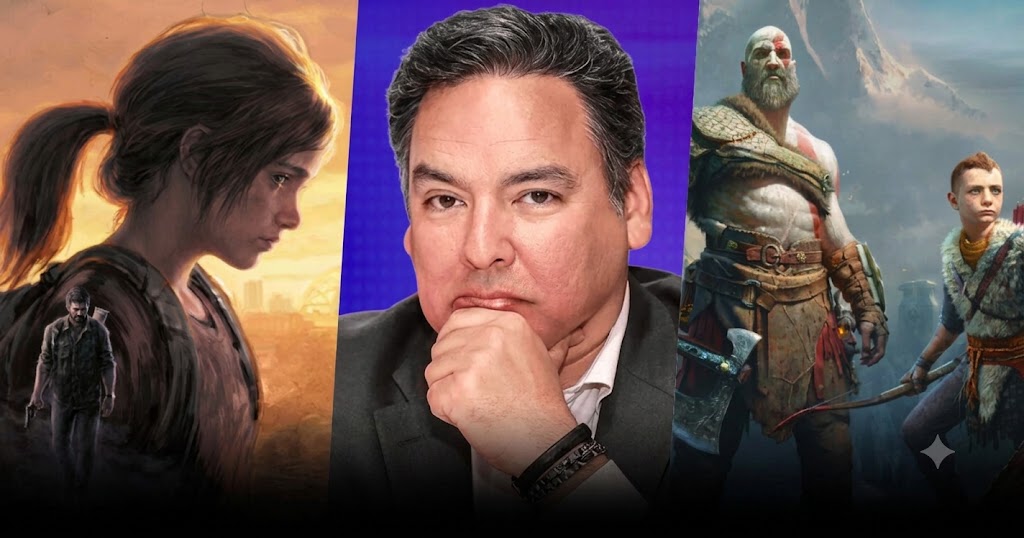
Shawn Layden, former chairman of Sony Interactive Entertainment America, recently spoke with PlayStation Inside about the role of story-driven single-player games in the gaming industry and why he believes they remain as important as ever.
The discussion began with Resident Evil Requiem, one of this year’s most anticipated releases. Layden was asked whether traditional AAA single-player games still have a sustainable future at a time when many younger players appear increasingly drawn to live service experiences.
Resident Evil Remains a Symbol of Gaming History
According to Layden, Resident Evil is one of gaming’s most influential franchises and has played a major role in shaping the industry over the years.
He noted that many players grew up with the series and have strong emotional connections to it. While newer audiences may not immediately feel the same attachment, he believes that can change over time as more players discover the franchise.
More importantly, Layden remains convinced that story-focused single-player games will continue to thrive.
“I still firmly believe that story-driven single-player games will never die. They are the foundation upon which this industry was built and they continue to sustain it today.”
The Power of Immersive Storytelling
Layden explained that one of the strengths of single-player games is their ability to create memorable experiences that players can later discuss and share with friends.
Whether a game includes multiplayer modes or not, he believes the most impactful gaming moments often come from becoming immersed in a game’s world, spending time with its characters, and slowly uncovering its story.
For many players, those experiences leave a deeper impression than competitive multiplayer matches or online team-based gameplay.
Live Service Games Require a Different Philosophy
The conversation also shifted toward live service games, a segment of the industry that has expanded rapidly over the past decade.
Layden explained that live service games are not simply another genre. Instead, they represent an entirely different approach to game development and business operations.
According to him, success in the live service market depends on much more than building a great game.
Studios must continuously manage in-game economies, monitor player behavior, deliver ongoing content updates, and maintain regular communication with their communities. In many ways, Layden compared it to running a small country.
Because of these demands, he believes not every company is equipped to succeed in the live service space.
Why Only a Few Live Service Games Thrive
As an example, Layden pointed to Fortnite.
The game originally launched as a premium title and struggled to gain traction before Epic Games transformed its Battle Royale mode into a free-to-play experience. That decision ultimately helped turn Fortnite into one of the most successful games in the world.
Layden argued that while countless live service games enter the market every year, players only have limited time and attention.
Switching from one long-term game to another often requires players to learn new systems, invest time into progression, and sometimes convince friends to join as well. These barriers make it difficult for new live service titles to establish themselves.
As a result, only a small number of live service games can achieve long-term success at any given time.
Story-Driven Games Continue to Define PlayStation
Layden’s comments are particularly noteworthy given PlayStation’s history.
Many of Sony’s most successful franchises have been narrative-driven single-player experiences, including The Last of Us, God of War, Horizon, Ghost of Tsushima, and Marvel’s Spider-Man.
These titles have helped define the PlayStation brand while demonstrating that strong storytelling remains one of gaming’s most powerful attractions.
THIS IS our take
Shawn Layden’s perspective reflects a reality that the industry continues to prove year after year. While live service games can generate enormous revenue, only a handful reach that level of success. Story-driven single-player games, meanwhile, continue to attract millions of players through compelling worlds, memorable characters, and meaningful narratives. Rather than replacing one another, both models appear destined to coexist, but history suggests that great storytelling will always have a place in gaming.
Source