Sony Reveals Futuristic PlayStation Controller Patent with Shape-Shifting Buttons
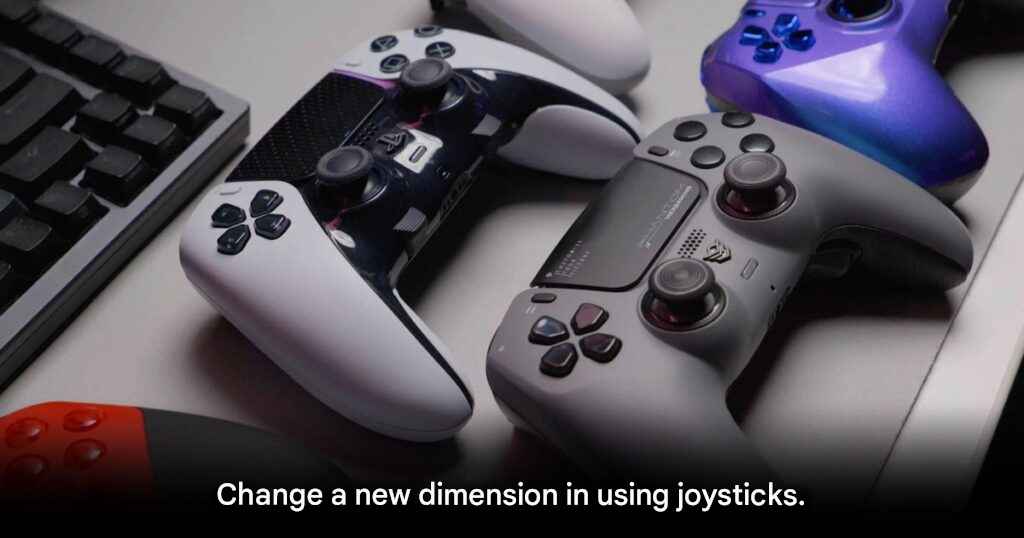
Sony Reveals Futuristic PlayStation Controller Patent
Next-generation controller concept introduces shape-shifting buttons for deeper immersion.
Sony has unveiled a new PlayStation controller patent that pushes the boundaries of traditional gaming hardware, introducing a concept that could redefine how players physically interact with games. The patent, published in the United States on March 26, 2026, showcases a highly flexible controller design unlike anything seen in previous PlayStation generations.
Instead of the rigid structure found in current controllers, this concept features a mesh-like network of interconnected buttons supported by flexible joints. This allows the entire controller to bend, twist, stretch, or even change shape, behaving more like fabric than a conventional device. The design represents a radical departure from the familiar DualShock and DualSense layouts that gamers have used for years.
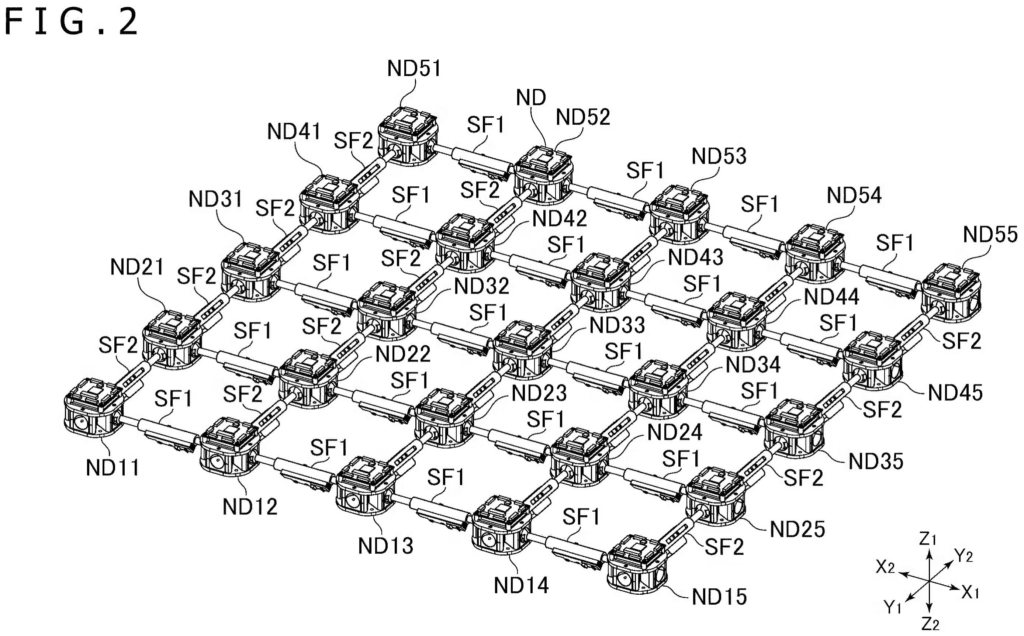
What makes this concept particularly exciting is how it enhances player interaction. Rather than relying solely on button presses, players could pull, squeeze, twist, or deform the controller to perform in-game actions. Imagine physically pulling to open a heavy door, twisting to simulate turning mechanisms, or crumpling the controller slightly to mimic crushing objects. These tactile inputs could bring a new level of real-world physical feedback into gameplay, making experiences feel far more immersive.
Beyond immersion, the patent also highlights accessibility benefits. Sony appears to be exploring ways to make gaming more inclusive by designing a controller that adapts to different physical needs. The flexible structure and customizable input methods could make it easier for players with limited mobility or unique hand conditions to interact with games comfortably, aligning with the company’s broader push toward accessible gaming technology.
However, questions remain about durability and practicality. A controller built with multiple moving and flexible components may be more prone to wear and tear compared to traditional solid designs. Repairs or replacements could potentially become more costly, raising concerns about long-term usability. Whether Sony can engineer a solution that balances flexibility with durability will be a crucial factor if this concept ever becomes a real product.
It is also important to note that patents do not guarantee commercial release. Tech companies often file patents to explore ideas or secure innovations for the future, even if those concepts never reach the market. In this case, Sony may be waiting for game developers to create experiences that can fully utilize such an unconventional input system before moving forward.
Even so, this patent signals Sony’s ongoing commitment to innovation in gaming hardware. By experimenting with new forms of interaction, the company continues to explore ways to make gameplay more engaging, immersive, and accessible. If this technology eventually becomes reality, it could mark a significant shift in how players connect with virtual worlds.
Origin: Gamerant