Apple has announced a major accessibility upgrade powered by Apple Intelligence, bringing smarter support tools to users across its devices.
The new features cover several important accessibility systems, including VoiceOver, Magnifier, Voice Control, and Accessibility Reader. Apple is also preparing a feature that allows users of electric wheelchairs to control supported systems using their eyes through Vision Pro.
Apple CEO Tim Cook said Apple Intelligence will bring powerful new experiences to users while keeping the company’s commitment to privacy and data security.
VoiceOver And Magnifier Get Smarter With AI
VoiceOver and Magnifier already help blind users and users with low vision understand screen content and their surroundings. With the new AI upgrades, these tools can now provide deeper and more useful descriptions.
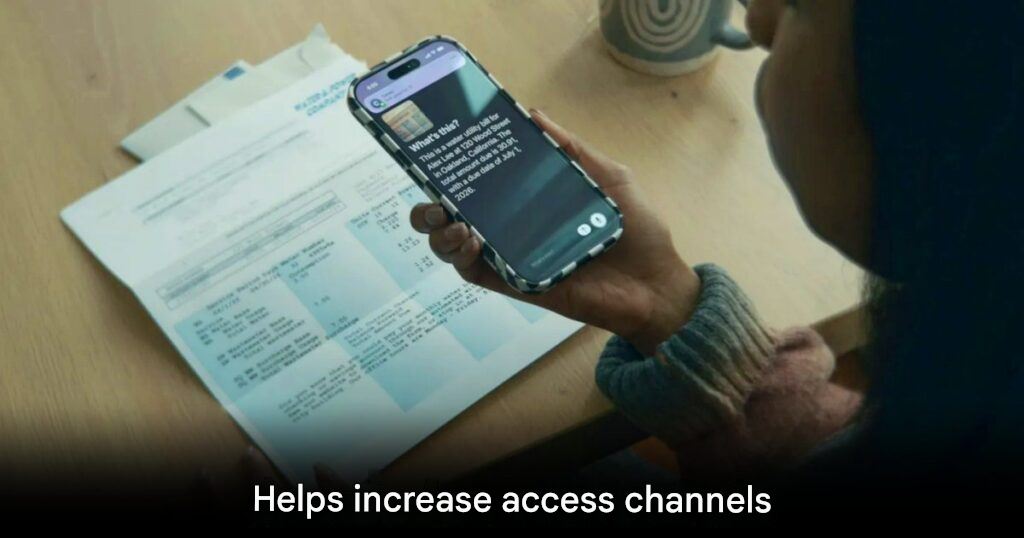
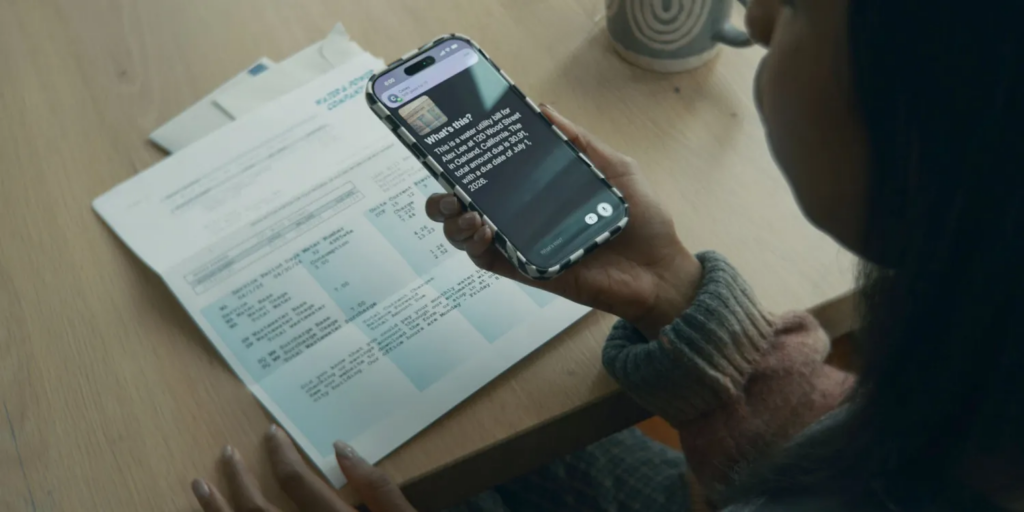
The Image Explorer system in VoiceOver uses Apple Intelligence to explain images in more detail. This includes photos, scanned receipts, and personal documents.
Meanwhile, Live Recognition allows users to press the Action Button on iPhone and ask about whatever the camera is viewing. The system can provide detailed answers and also handle follow-up questions in natural spoken language.
The Magnifier app also works better with the Action Button. Users can open the flashlight or zoom more easily through voice commands, making the tool more practical in daily situations.
Voice Control Now Understands Natural Language
Apple is also improving Voice Control, which previously required users to remember specific commands or phrases.
With the new update, the system can understand more natural spoken language. Users can describe buttons, folders, or controls on the screen using normal words instead of memorizing exact labels or numbers.
For example, users can say commands like tapping a restaurant guide or selecting a purple folder. This should make apps like Apple Maps and Files easier to use, especially when screen elements do not already include clear accessibility labels.
This change could make voice-based navigation feel more flexible and human.
Accessibility Reader Becomes More Useful
Accessibility Reader is also getting a major boost.
The feature is designed to create a better reading experience for people with different needs, including users with ADHD, dyslexia, reading difficulty, or low vision.
The upgraded version can handle complex source material, including scientific articles with multiple columns, images, and complicated tables. It can also summarize content on request, helping users understand the general idea before reading deeper.
The system also includes built-in translation while preserving the original font style, size, and colors. For video content, AI-generated captions can automatically appear across many types of videos, including family clips and online streaming videos.
Apple says this caption processing happens on-device to help protect user privacy.
Vision Pro Can Help Control Electric Wheelchairs
One of the biggest highlights is Vision Pro support for electric wheelchair control.
This feature is designed for users who cannot rely on traditional joystick controls. Instead, it uses the accurate eye-tracking system in Vision Pro as an input method for supported alternative drive systems.
The system does not need frequent eye recalibration and can work well in different lighting conditions.
Apple will begin support in the United States through compatible drive systems from Tolt and LUCI. The feature supports both Bluetooth and wired connections, and Apple plans to expand compatibility to more wheelchair models in the future.
More Accessibility Features Are Coming
Apple also announced several smaller accessibility updates across its ecosystem.
Vehicle Motion Cues will arrive on visionOS to help reduce motion sickness when users wear Vision Pro inside vehicles. Apple is also adding support for facial movement controls, larger text sizes in tvOS, and Name Recognition for users who are deaf or hard of hearing.
Name Recognition can alert users when someone calls their name and will support more than 50 languages worldwide.
For gamers, iOS, iPadOS, and macOS will support the Sony Access Controller for PlayStation 5. Users can freely configure buttons and analog sticks to create a more comfortable gaming experience.
Apple AI accessibility features show how AI can feel genuinely useful when it solves real problems instead of simply adding flashy tools. Smarter image descriptions, natural voice control, AI captions, and Vision Pro wheelchair support could make Apple devices more practical for many users. The privacy-first approach also matters, especially when accessibility tools handle deeply personal information.
SOURCE: 9to5Mac