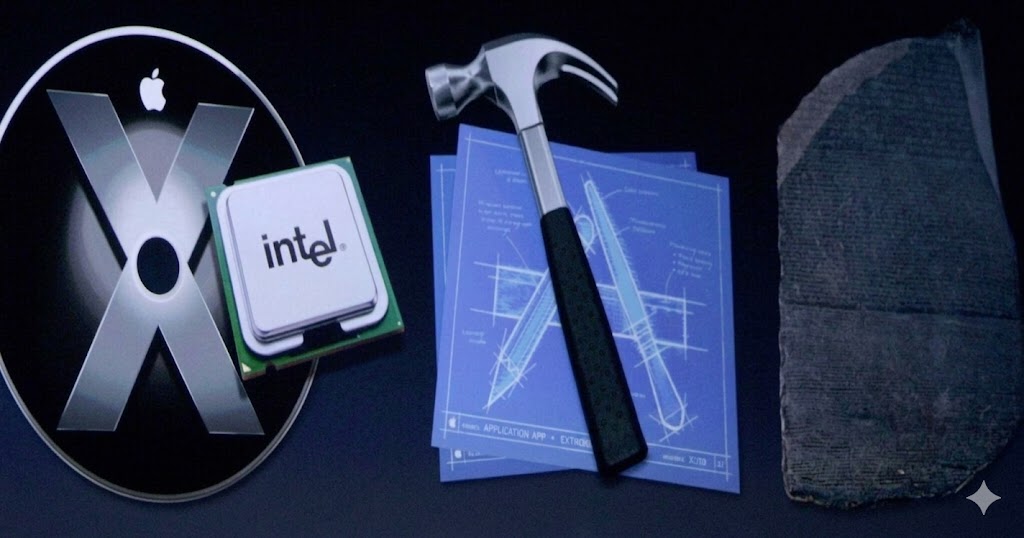
Apple’s relationship with Intel marked one of the most important transitions in modern computer history. Around two decades ago, the company made a major move by shifting the Mac away from PowerPC processors and into the Intel era.
At the time, the decision shocked many users. For years, Apple had built its identity around PowerPC, but Steve Jobs explained that Intel had a stronger roadmap for the kind of powerful computers Apple wanted to build in the future.
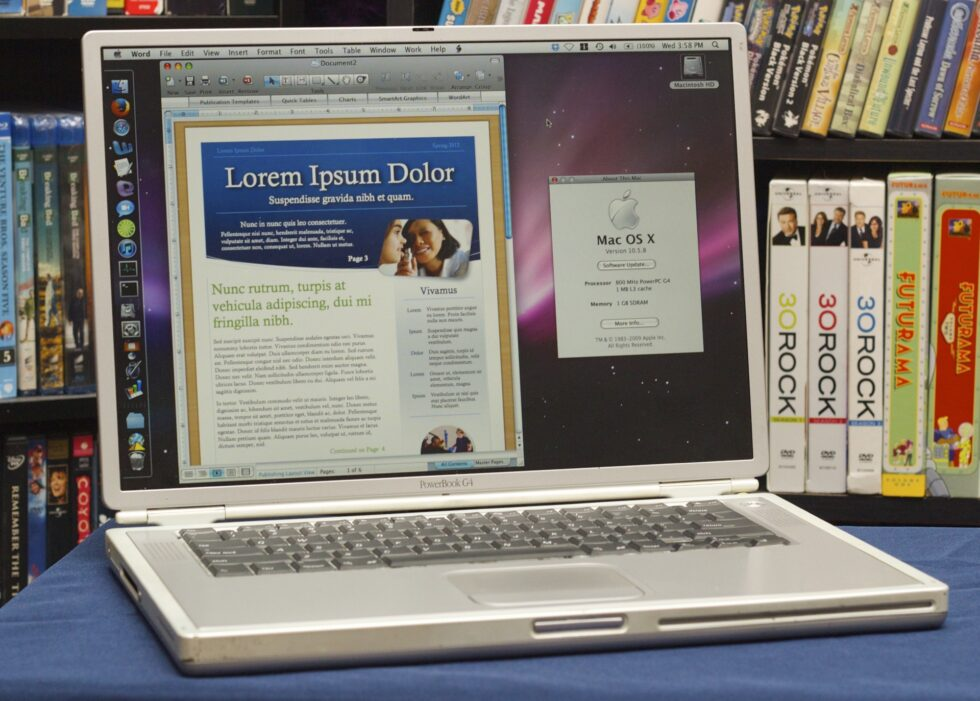
From PowerPC to Intel
The switch to Intel in 2005 was not just a chip change. It opened a new chapter for the Mac and brought Apple’s computers closer to the wider PC world.
One of the biggest results was Boot Camp, which allowed Mac users to run Windows on Apple hardware. For many users, this made the Mac a more practical main machine, especially for work, software compatibility, and creative production.
That compatibility helped reduce hesitation among people who wanted Apple hardware but still needed access to Windows applications.
Why Intel Made Sense at the Time
Apple’s move to Intel was based on performance direction and future potential. The company needed processors that could support more powerful laptops and desktops while keeping up with modern computing demands.
At the time, Intel looked like the stronger partner for that future. The transition helped Apple build Macs that could compete more directly with PCs, while also giving users more flexibility than before.
For many people, the Intel Mac era became the time when the Mac felt more open, more practical, and easier to recommend as a main computer.
Then Apple Silicon Changed the Game Again
Years later, the rise of the iPhone and iPad helped Apple develop its own chip design expertise. Apple saw how much control it could gain by building processors around its own hardware and software needs.
That eventually led to Apple Silicon and the M-series chips. These processors showed that high performance and long battery life could exist together, especially in MacBooks.
The move also gave Apple tighter control over the entire Mac experience, from chip design to operating system optimization.
The End of the Intel Mac Era
According to the source, the end of Intel Mac support under macOS 27 Golden Gate marks the official closing of a 20-year chapter.
Older Intel-based Macs can still continue working, but the loss of new features and gradually shrinking software support signals the direction Apple now wants to take. The company is clearly building the future of the Mac around Apple Silicon, especially as AI-focused computing becomes more important.
Apple’s Processor Shifts Were Never Random
Looking back, Apple’s processor transitions show a clear pattern. The company moved from PowerPC to Intel when it needed a stronger performance roadmap. Then it moved from Intel to Apple Silicon when it saw the advantage of controlling the full hardware and software stack.
Each shift changed the Mac in a major way. Intel helped make the Mac more flexible and compatible, while Apple Silicon pushed the Mac toward better efficiency, tighter integration, and stronger performance per watt.
The Intel Mac era deserves respect because it made the Mac more practical for a wider group of users. Boot Camp, stronger compatibility, and better performance helped Apple reach people who might not have considered a Mac before. But Apple Silicon now shows why Apple wanted to move on. The future of the Mac is no longer about matching the PC world. It is about building a computer experience Apple can fully control from the chip upward.
Origin: Arstechnica