Apple has officially shared more insight into why it decided to shift to titanium for its latest iPhone models, marking one of the most significant material changes in the product’s design in recent years.
Why Apple Chose Titanium
According to the company, titanium offers a unique balance between strength and weight. Compared to traditional materials used in previous iPhone generations, titanium is both lighter and more durable, making it ideal for a premium device that is used daily.
This shift allows Apple to create devices that feel more comfortable to hold while still maintaining a strong structural frame.
Improved Durability and Premium Feel
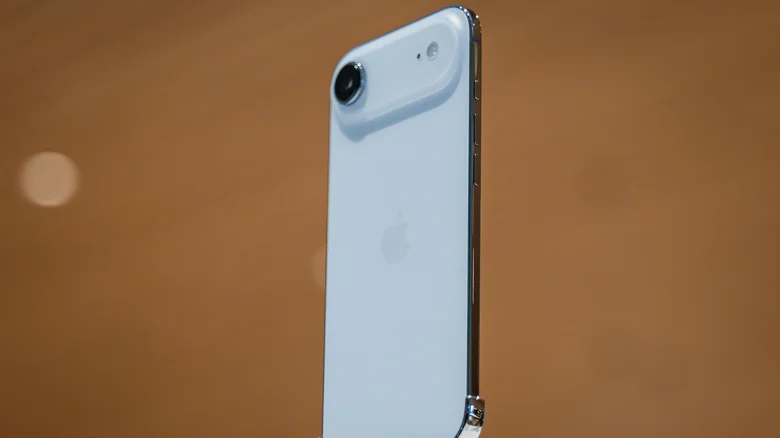
One of the key advantages of titanium is its high resistance to corrosion and wear. This means iPhones built with titanium frames are better suited to withstand everyday usage over a longer period.
In addition, the material contributes to a more refined and premium finish, aligning with Apple’s design philosophy of combining aesthetics with performance.
Engineering Challenges and Innovation
Apple also highlighted that working with titanium presents manufacturing challenges. The company had to develop new processes to shape and integrate the material into its devices effectively.
This includes precision engineering techniques to ensure that the titanium frame works seamlessly with other components such as glass and internal hardware.
A Step Forward in iPhone Design
The move to titanium represents a broader push by Apple to improve both user experience and product longevity. By reducing weight while increasing durability, the company aims to deliver a more comfortable and long-lasting smartphone.
This design evolution reflects Apple’s continued focus on refining its flagship devices.
Apple’s transition to titanium is more than just a cosmetic upgrade. It shows a clear focus on durability and user comfort, which are increasingly important in premium smartphones. If this direction continues, it could set a new standard for materials in future mobile devices across the industry.
Origin: BGR