Claude Fable 5 Turns Game Ideas Into Worlds
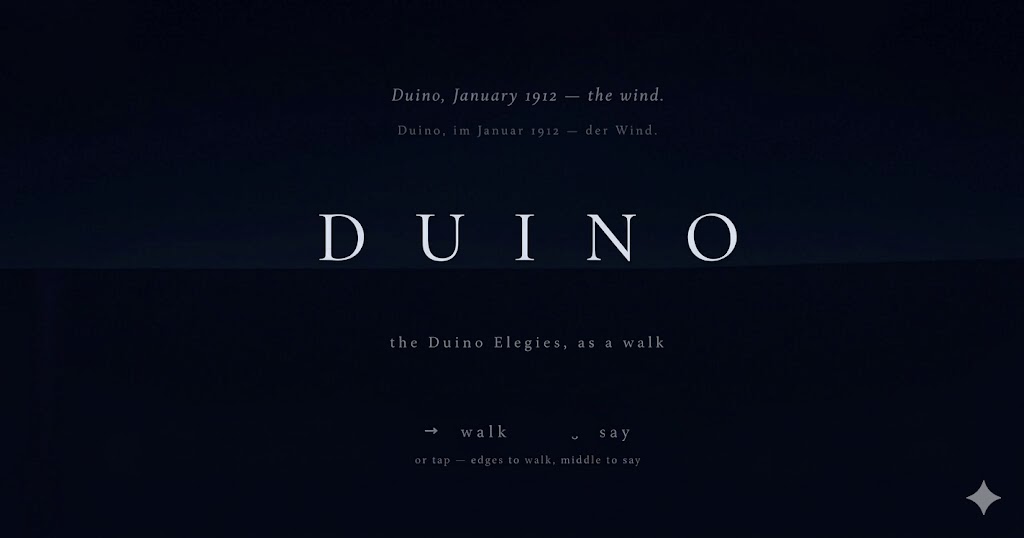
Claude Fable 5 Turns Game Ideas Into Playable Worlds
Anthropic has introduced Claude Fable 5, a new artificial intelligence model that is drawing attention for its ability to help users turn creative ideas into playable game-like projects.
The model is part of Anthropic’s Mythos family and is positioned as a powerful AI system that can handle complex creative and technical tasks while remaining accessible to general users.
For game developers, hobbyists, students, and creators, the main appeal is simple: Claude Fable 5 can help transform an idea into an interactive experience with far less manual setup than traditional development.
Turning Ideas Into Games With Fewer Barriers
The biggest highlight of Claude Fable 5 is its ability to help users create game worlds from prompts.
Instead of starting with a blank project, manually building every system, and coding every feature from scratch, users can describe what they want and let the model generate a working foundation.
This could include basic gameplay systems, visual structure, interaction logic, and playable prototypes.
For beginners, this lowers the barrier to entry. For experienced developers, it could become a fast prototyping tool that helps test ideas before committing to full production.
A More Accessible AI Model For Everyday Creators
Although Claude Fable 5 is described as a high-capability model, Anthropic appears to be positioning it for more practical everyday use.
The source article highlights that the model is designed to feel friendlier and more accessible, even though it carries advanced reasoning power.
This matters because many powerful AI tools can still feel intimidating to non-technical users.
If Fable 5 can make game creation easier for people using regular laptops and familiar platforms, it could open the door for more casual creators to experiment with interactive storytelling, small game prototypes, simulations, and creative software projects.
Built For Longer Multi-Step Reasoning
One of the key strengths of Claude Fable 5 is its ability to work through longer and more detailed instructions.
Game creation often requires many connected parts. A model needs to understand the concept, build rules, manage logic, create interactions, and produce something that works together as a playable whole.
That means the AI cannot simply answer one short question. It needs to follow a broader design plan.
The source describes Fable 5 as being able to handle more continuous, multi-step reasoning than earlier models. This could make it especially useful for projects with layered requirements, such as game prototypes, simulations, logic puzzles, or interactive systems.
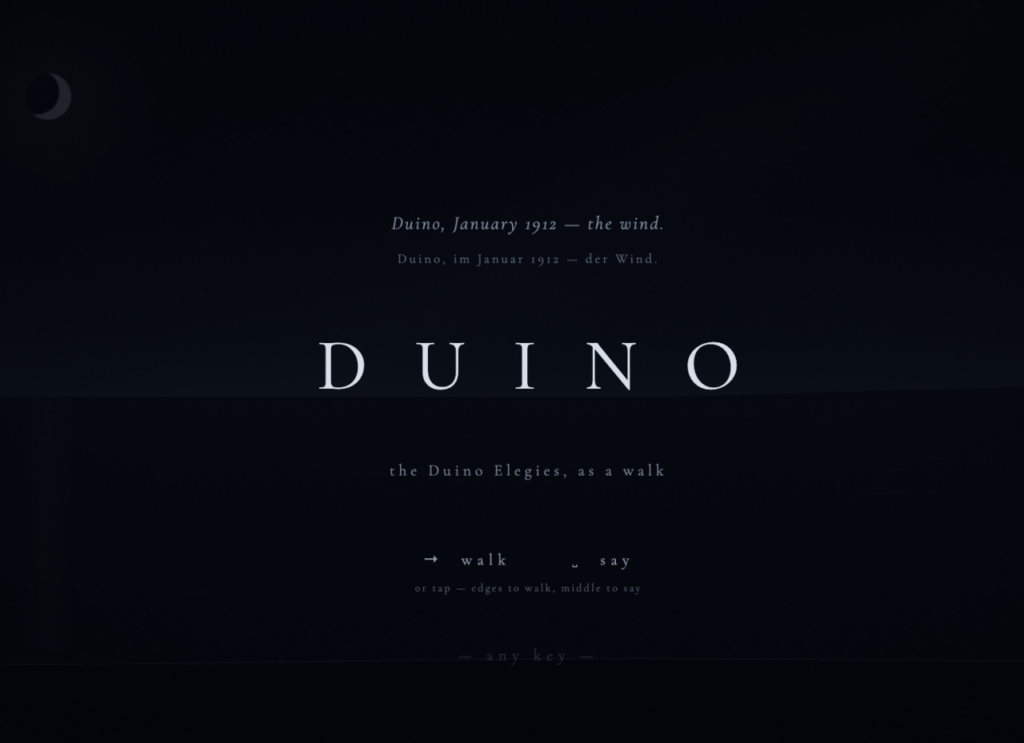
From Prompt To Playable Prototype
According to the TechCrunch report connected to the source, Fable 5 has already been tested in different creative software examples.
These include game-like projects generated from a single initial prompt, showing how quickly the model can move from concept to interactive result.
For the gaming world, this is important because prototyping is often one of the most time-consuming parts of development.
A studio or creator may have a good idea, but turning that idea into something playable usually takes time, technical skill, and iteration. AI tools like Claude Fable 5 could speed up that early stage by creating rough but functional versions faster.
Potential For Game Developers And Beginners
For professional developers, Claude Fable 5 may help with rapid experimentation.
A team could test mechanics, generate sample systems, explore level concepts, or build early interactive mockups before deciding whether an idea deserves full production.
For beginners, the benefit is even clearer.
People who have ideas for games but do not yet know how to code could use tools like this to understand how game logic works. They could also create small playable experiments and learn from the generated structure.
This does not replace full game development skill, but it can make the starting point much easier.
Available Through Cloud Platforms
The source article notes that users can access Claude Fable 5 through platforms such as Amazon Bedrock and Claude-related services on AWS.
This cloud-based access can help developers and businesses use the model without building complicated infrastructure from scratch.
For companies experimenting with AI-assisted production, easier access matters. The faster a team can connect to the model, the faster it can begin testing workflows, creative tools, prototypes, and internal development processes.
Safety Measures Remain Important
Anthropic is also applying safety measures around Claude Fable 5.
The source article notes that for higher-risk areas such as cybersecurity or biochemical topics, the system may apply stricter filtering or shift handling to a different model when appropriate.
This reflects a broader challenge in AI development.
A model powerful enough to generate complex software or solve difficult technical problems can also create risks if used irresponsibly. Because of that, companies need to balance creative freedom with safety controls.
AI Game Creation Is Moving Fast
The arrival of Claude Fable 5 shows how quickly AI-assisted game creation is evolving.
What once required larger teams, longer production schedules, and deeper technical knowledge can now begin from a prompt and develop into a playable prototype faster than before.
This does not mean AI can automatically replace complete game development.
A great game still needs strong design direction, art taste, balance, polish, testing, emotional storytelling, and human creativity. However, AI can make the early stages of experimentation much faster.
That could change how creators pitch ideas, test mechanics, build prototypes, and learn development.
A New Tool For The Future Of Creative Software
For the game industry, Claude Fable 5 is less about replacing developers and more about expanding what creators can try.
Small teams may be able to test more ideas. Beginners may be able to build their first playable projects sooner. Developers may be able to explore mechanics before spending weeks on a prototype.
The real value will depend on how well creators use the tool.
If used carefully, AI models like Fable 5 could become part of a larger creative workflow where human imagination still leads, while AI helps accelerate the building process.
Claude Fable 5 feels like another major sign that AI is changing how games and interactive software can be created. The ability to turn prompts into playable prototypes could help beginners, students, solo creators, and professional developers test ideas faster. However, the best results will still depend on human direction, creative taste, and proper refinement. AI may make game creation easier to start, but strong design and polish will still decide whether a project becomes truly worth playing.