Razer Unveils Project Motoko AI Gaming Headset
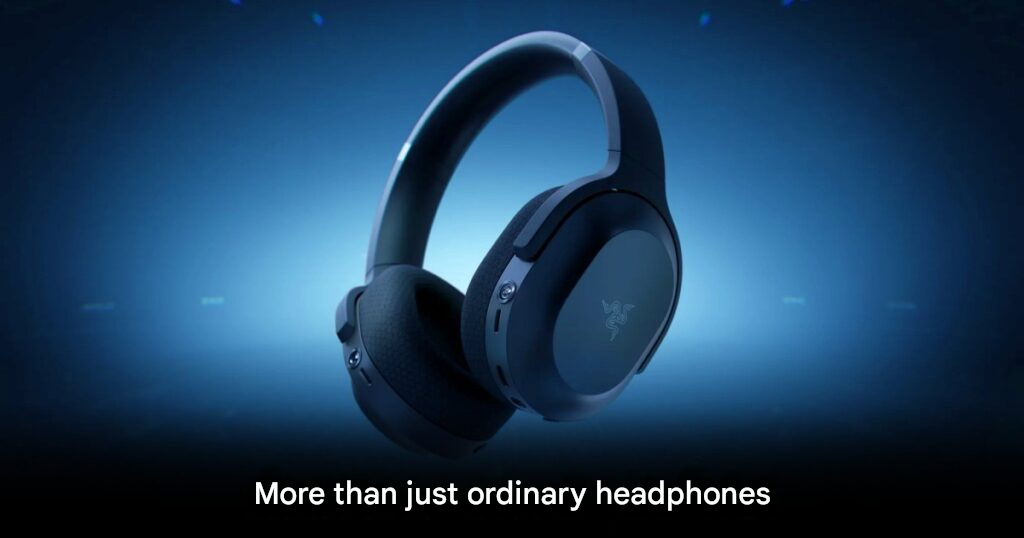
At CES 2026, Razer once again pushed the boundaries of gaming technology with the reveal of Project Motoko, a next-generation AI-powered headset that goes far beyond traditional audio.
This isn’t just a gaming headset. It’s a smart wearable designed to see, understand, and interact with the world in real time.
More Than Just Sound
Unlike standard gaming headsets, Project Motoko integrates advanced AI capabilities directly into the device.
It supports seamless interaction with leading AI systems such as Gemini and OpenAI, allowing users to:
- Recognize objects in real time
- Read and translate text instantly
- Scan documents through visual input
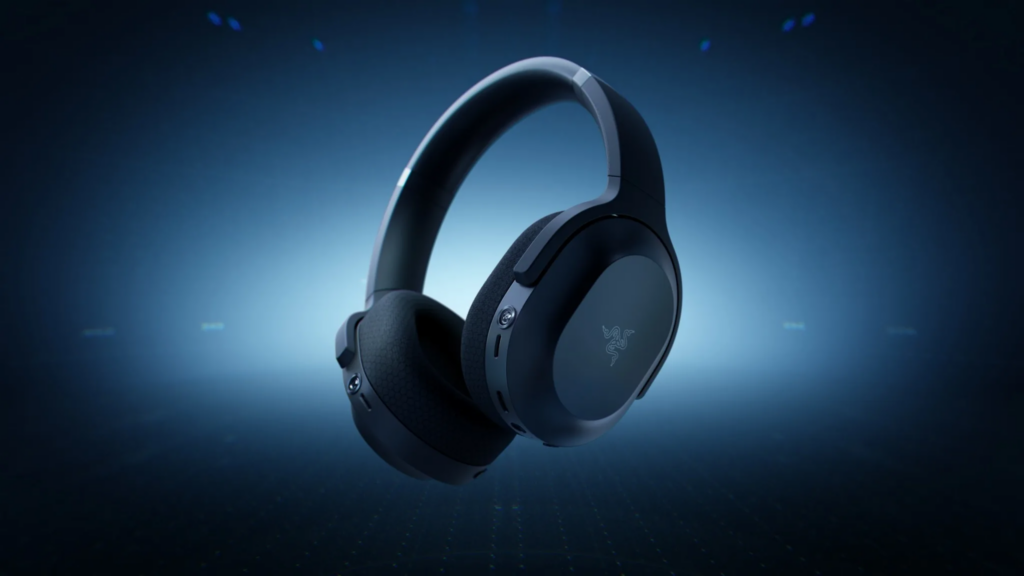
With a first-person camera built into the front of the headset, the device essentially functions like smart glasses, but without needing to wear one.
AI That Listens and Responds
The headset is equipped with multiple high-quality microphones placed strategically around the device, enabling:
- Accurate voice commands
- Smooth interaction with AI assistants
- Hands-free control for both gaming and daily tasks
This combination turns the headset into something closer to a personal AI companion than just an accessory.
Why a Headset Instead of Glasses?
Razer’s decision to design Project Motoko as a headset rather than smart glasses is intentional.
Many users feel uncomfortable wearing glasses with cameras, while others may already have vision-related limitations. By integrating these capabilities into a device that gamers already use daily, Razer makes the experience:
- More accessible
- More comfortable
- Better suited for long-term use
At the same time, users still get powerful audio performance, something smart glasses cannot deliver.
A Glimpse Into the Future
It’s important to note that Project Motoko is currently a concept device. There is:
- No official release date
- No confirmed pricing
However, its reveal signals a major shift in how gaming gear is evolving.
Instead of being limited to entertainment, devices like this are becoming intelligent tools that blend seamlessly into everyday life.
Potential Price and Market Impact
If brought to market, analysts estimate that a device like this could fall within the range of $300 to $700, reflecting its advanced capabilities.
More importantly, it represents a future where AI becomes an extension of the user, delivering information directly through both vision and sound.
Razer may have just shown us what the next generation of wearable AI technology looks like.
Origin: Mashable