6 Signs Players Have Higher Standards When Choosing Game
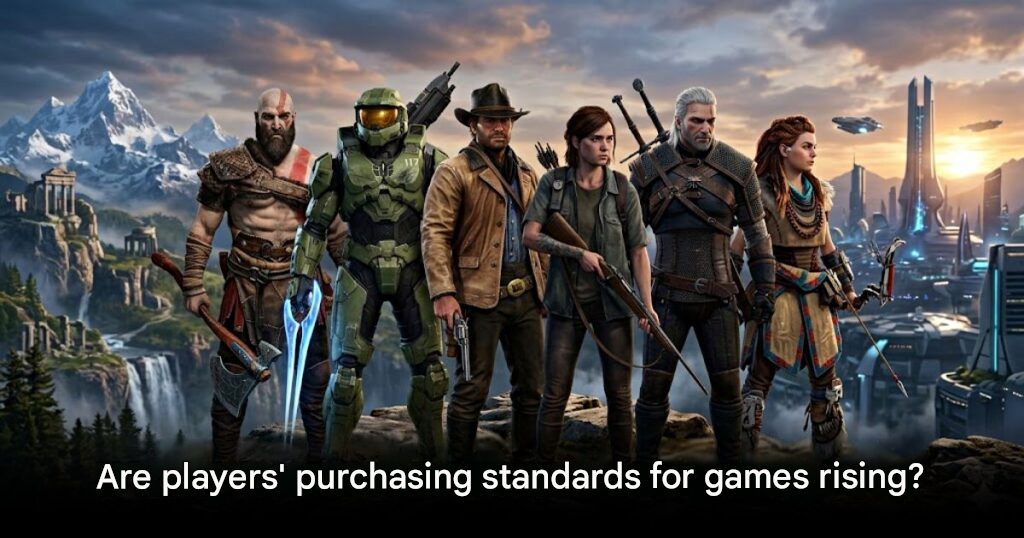
In recent years, it has become common to hear players say that “modern games are getting worse.” Complaints often point to unfinished launches, repetitive content, or systems that seem more focused on monetization than fun. However, there is another important side to this discussion: players themselves have changed.
Modern gamers are no longer choosing games the same way they used to. In the past, many players might have bought a game because they liked the franchise, trusted the studio, or followed the hype. Today, buying a game often involves more thought, research, comparison, and caution. Players are more aware of value, more sensitive to quality, and more willing to walk away if a game does not meet their expectations.
1. Players No Longer Pre-Order as Easily as Before
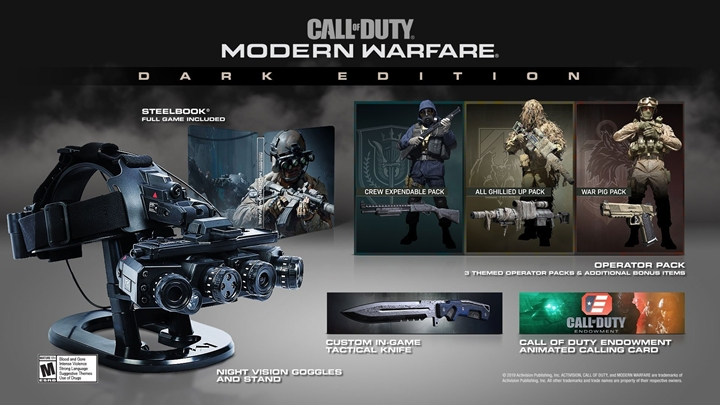
In the past, pre-ordering games was almost normal, especially for major franchises or big-name studios that players trusted. For many fans, placing a pre-order felt like a way to support a game they were already excited about.
Today, that behavior has changed noticeably. Many players now prefer to wait and see the real product first. They look for reviews from media outlets, first-day impressions from players, and early community reactions before deciding whether to spend their money.
A major reason for this shift is the number of games that have launched in an incomplete or disappointing state. When players repeatedly see games arrive with bugs, missing features, poor optimization, or content that does not match expectations, trust naturally decreases.
Because of that, pre-ordering is no longer seen only as support. For many players, it has become a risk they would rather avoid.
2. Players Watch Reviews, Listen to Analysis, and Ask Friends
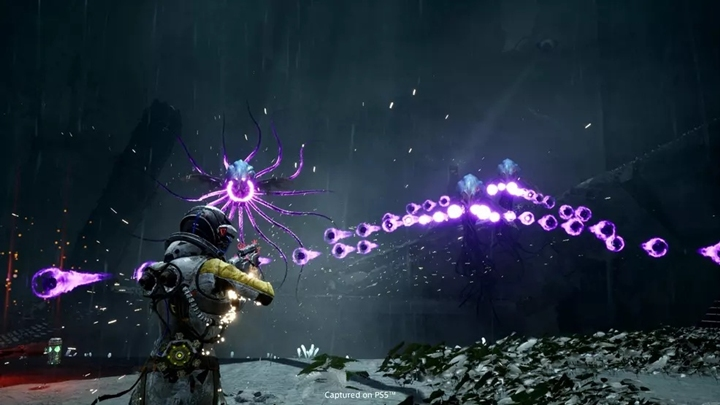
Buying a game today is no longer just an emotional decision. It has become a more information-driven process.
Players often watch reviews from multiple sources, listen to detailed analysis, check gameplay impressions, and ask friends or gaming communities before making a final decision. This gives them a clearer idea of whether a game matches their personal taste, playstyle, and expectations.
This behavior also shows that players no longer see games as simple temporary entertainment. A game must feel worth the money and time invested in it. With so many options available, players are more careful about avoiding titles that may not fit what they actually want.
3. Players Compare Games Before Buying
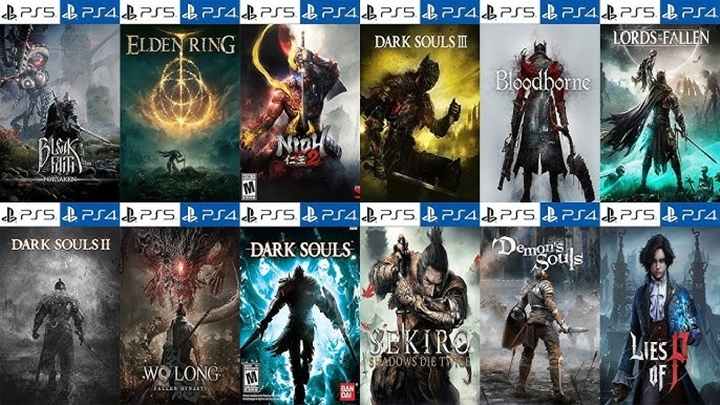
With so many new games being released, players rarely look at one title in isolation anymore. Instead, they compare it against other games in a similar price range or genre.
They may look at graphics, gameplay systems, story quality, content volume, technical performance, replay value, and overall value for money. If another game appears to offer a better experience at a similar price, players are ready to change their minds.
This habit has made competition in the gaming industry much stronger. Developers can no longer rely only on brand recognition or marketing. Their games must prove that they can stand alongside other choices in a crowded market.
For players, comparison has become a natural part of deciding whether a game deserves attention.
4. Players Judge Games Quickly So They Can Refund in Time
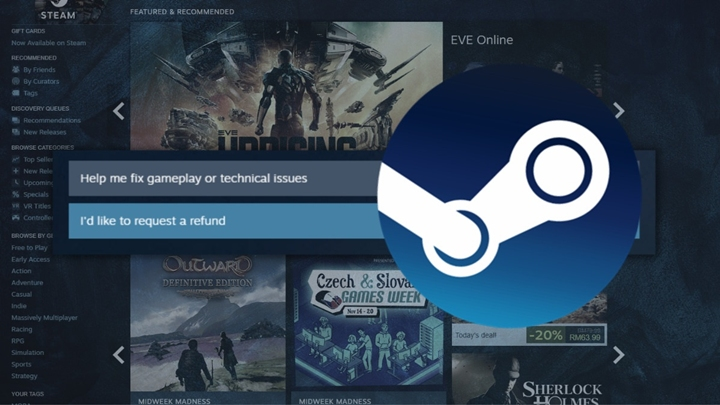
Refund systems on digital platforms have also changed player behavior. Many players now treat the early hours of a game as a trial period. They play within the allowed refund window and quickly decide whether the game is worth keeping.
If the game does not feel right, they can request a refund before the limit is reached. This gives players more confidence to try new titles, but it also means their standards during the opening hours are much stricter.
A game that fails to make a strong first impression can be rejected quickly. Poor performance, confusing design, weak pacing, or lack of immediate appeal can all lead players to decide that the game is not worth continuing.
This has made the early-game experience more important than ever.
5. A Studio’s Reputation Now Matters More

Because information is easier to access, players now remember the track records of game studios more clearly. Developers with a history of strong, polished releases are more likely to earn trust. On the other hand, studios known for problematic launches or controversial decisions may face doubt as soon as they announce a new game.
A studio’s name is no longer just a branding detail. It has become an important part of the buying decision.
Some players may become interested in a game simply because it comes from a developer they respect. Others may reject a new release immediately if it comes from a company they no longer trust.
This shows that players are thinking more about long-term credibility. A studio’s past work can directly influence whether players are willing to support its future games.
6. Players Look for the Right Balance Between Price, Time, and Quality

Modern players do not judge games only by price or fun factor. They look at the bigger picture.
Before buying, many players ask themselves several questions. How long will this game take to finish? Is the experience worth the price? Does it offer enough quality? Will it respect my time? Is it enjoyable enough to justify the investment?
A long game is not automatically seen as better if it feels stretched or repetitive. At the same time, a shorter game can receive strong praise if it delivers a focused, memorable, and high-quality experience.
This shows that player standards have not only become higher, but also more balanced. Gamers are now thinking about value in a more complete way, considering price, time, and quality together rather than separately.
Modern Players Are More Careful, Not Just More Critical

When people say that games are getting worse, that may only be part of the story. The other part is that players have grown more experienced, more informed, and more selective.
Many players no longer buy games based only on hype, franchise names, or studio reputation. They research, compare, evaluate, and think carefully before spending money. Every purchase now goes through a stronger filter shaped by past experiences and current expectations.
This shift creates pressure for developers, but it can also push the industry in a better direction. As players demand more, studios must respond with better quality, stronger polish, clearer value, and more respectful design.
In the end, this may be a positive sign for the future of gaming. The industry will not be judged only by scale, marketing, or brand power. It will increasingly be judged by quality that truly satisfies players.
Origin