Nintendo Faces Lawsuit from Fans Over Import Tariff Refunds
Nintendo Faces Lawsuit Over Tariff Refund Controversy
Nintendo is now facing a class action lawsuit from fans who are demanding the company return money tied to import tariff refunds, arguing that customers unfairly bore the cost of higher product prices.
Fans Claim “Double Profit” from Price Hikes
The lawsuit, reported by Game File, centers on the claim that Nintendo raised product prices due to import tariffs, then later received government refunds for those same tariffs without passing the savings back to consumers.
Two plaintiffs, Gregory Hoffert and Prashant Sharan, argue that this effectively allowed the company to profit twice:
- First, by increasing prices on consoles and accessories
- Second, by keeping the refunded tariff money
Background on the Tariff Situation
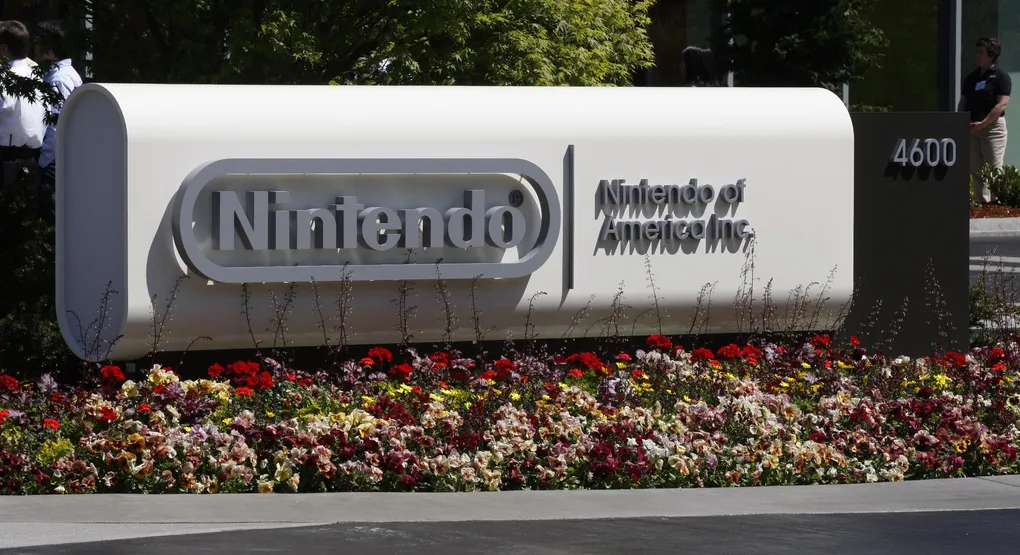
Nintendo had previously challenged U.S. import tariffs in court, calling them unfair. While the case was paused for regulatory review, recent developments suggest that companies—including Nintendo—may receive part of a massive $160 billion refund pool ordered by the U.S. Supreme Court.
This ruling states that the government owes significant repayments to businesses affected by the tariffs.
Price Changes Sparked the Dispute
According to the lawsuit, Nintendo had already signaled that tariffs would impact pricing. President Shuntaro Furukawa previously stated that tariff costs would be treated as part of production expenses and reflected in retail prices.
Over the past year, the company:
- Increased prices of Switch accessories
- Raised prices of older Switch 1 consoles
- Adjusted pricing strategy between physical and digital games
These moves led consumers to believe they were paying more due to tariffs—making the refund issue more controversial.
Not the First Case of Its Kind
Nintendo isn’t alone in facing this kind of legal pressure. Other companies have also been challenged over whether they should return tariff-related gains to customers.
One notable contrast is FedEx, which publicly stated it would return tariff-related refunds directly to consumers.
What This Means for Gamers
For consumers—especially those outside the U.S.—this case could set an important precedent. If successful, it may force global tech companies to be more transparent about:
- Pricing strategies
- Tax and tariff adjustments
- Profit distribution
While Nintendo has not yet responded publicly, the outcome of this lawsuit could reshape how companies handle cost increases and refunds worldwide.
Origin: IGN