Xbox Begins Major Reset Under New Leadership
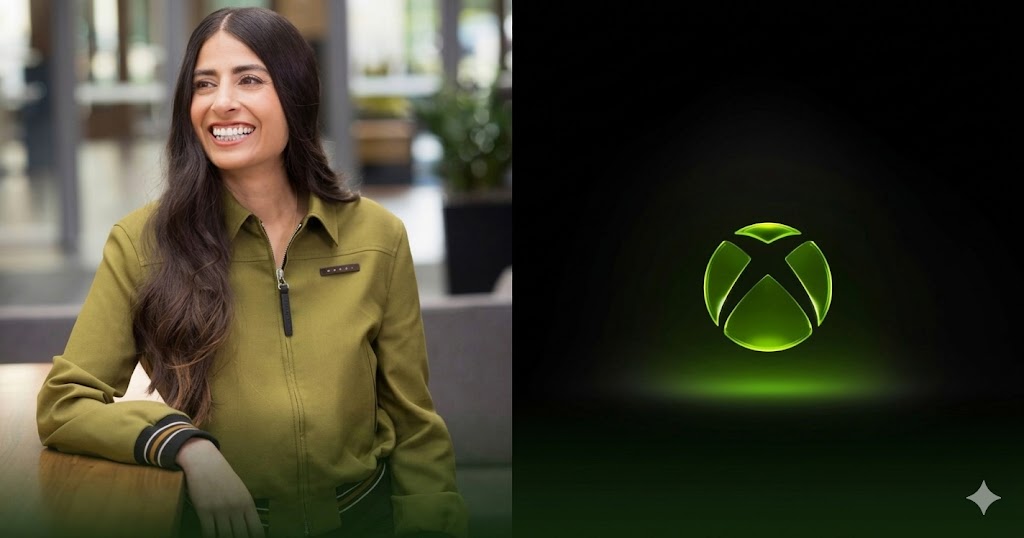
Xbox is entering a tense but important period as Microsoft Gaming prepares a major Xbox Reset for the next 100 days.
According to the source, the company is now facing pressure to rebuild its gaming business after several years of heavy investment, changing strategies, hardware challenges, and weaker-than-expected revenue performance. The reset is being led by Asha Sharma, who took over as CEO of Microsoft Gaming, together with Matt Booty.
The message is clear: Xbox still has massive reach, major franchises, and strong platform potential, but Microsoft Gaming now wants a more focused and sustainable direction.
Xbox Admits the Business Needs a Reset
In an internal message shared with Xbox employees globally, Sharma and Booty said the first 100 days of their leadership focused on reviving Xbox.
They highlighted several early improvements, including more platform updates, stronger partner activity, renewed Game Pass growth after months of decline, and more direct player feedback through the Player Voice channel.
However, the message also made it clear that optimism alone is not enough. Xbox is now entering its next 100 days with what the leadership called realism, especially around business performance, hardware costs, studio structure, and platform infrastructure.
Revenue Pressure Remains a Major Issue
One of the biggest points in the memo is Xbox’s financial performance.
Microsoft Gaming reportedly expects to end the fiscal year with an accountability margin of around 3 percent. The company also noted that, excluding Activision Blizzard King, it spent more than $20 billion over the past five years on content, platform, and hardware subsidy investments, while annual revenue declined by nearly $500 million during that period.
For a division as large as Xbox, those numbers explain why leadership is now pushing for a reset. The business cannot keep spending heavily without stronger returns.
Hardware Costs Are Becoming a Serious Challenge
The source also highlights a growing hardware component crisis.
Xbox leadership reportedly stated that console storage component prices were already more than twice as high as last fall when Sharma became CEO in February. Since then, those costs have doubled again, and by the 2027 holiday season, Xbox expects some costs to rise to more than five times the prices paid only two years earlier.
Memory costs are also following a similar trend.
This creates a major problem for Xbox hardware. If console parts become more expensive, Microsoft must decide whether to absorb those costs, raise prices, change its hardware model, or find new partnerships to keep future devices competitive.
Studio and Content Strategy May Be Reassessed
Another major issue is the size and structure of Xbox’s studio system.
The memo explains that Xbox expanded its studios to support several strategies across subscription, streaming, devices, and content. However, leadership now believes the company became overextended while trying to execute too many shifting goals at once.
At the same time, Xbox still needs strong first-party and third-party exclusives. The company pointed to titles such as Gears of War: E-Day and Clockwork Revolution as part of its renewed commitment to signature exclusive games.
The challenge now is balance. Xbox needs enough exclusive content to remain competitive, but it also needs to fund and prioritize its biggest franchises properly.
Layoff Concerns Continue
The source also notes growing concern that job cuts may follow after Microsoft’s fiscal year ends on June 30.
No final number has been officially confirmed in the article, but reports suggest that thousands of positions could potentially be affected across game studios, hardware teams, and marketing divisions.
If this happens, it would be one of the most painful parts of the reset. Business restructuring may help Microsoft Gaming refocus, but layoffs would also affect real people and the teams responsible for building future Xbox games and services.
Xbox Wants to Rebuild Its Platform Stack
Beyond hardware and content, Xbox leadership also pointed to deeper platform problems.
The memo says Xbox’s current infrastructure has become too complex, with hundreds of dependencies that slow down development and reduce speed. It also says the company has become too reliant on vendors and needs to rebuild a stronger internal engineering culture.
This matters because Xbox is no longer only a console brand. It now operates across console, PC, mobile, streaming, Game Pass, and connected services. If the platform stack is too slow or fragmented, Xbox may struggle to deliver fast updates and better player experiences.
The Next 100 Days Could Shape Xbox’s Future
The Xbox Reset is not only about fixing one problem. It is about choosing what Xbox should become next.
The brand still reaches more than a billion players across console, PC, mobile, and streaming. It also owns some of the biggest franchises in gaming and entertainment. However, the company now faces strong competition for player attention, rising hardware costs, and the need to make Game Pass, exclusives, and platform services work together more clearly.
The next 100 days may determine which projects receive more support, which areas are reduced, and how Microsoft Gaming positions Xbox for the next five years.
THIS IS our take
The Xbox Reset feels like a serious turning point for Microsoft Gaming. Xbox still has strong franchises, Game Pass, PC reach, cloud technology, and global brand recognition, but the business clearly needs sharper priorities. If the reset leads to better games, stronger exclusives, faster platform updates, and a clearer hardware strategy, players could benefit. But if it mainly results in cuts without a stronger creative direction, Xbox may struggle to rebuild trust. The next 100 days will matter.
This Is Game SEA