Ashes of Mankind: The Strategy MMO and the Extraction Shooter That Run on One Economy
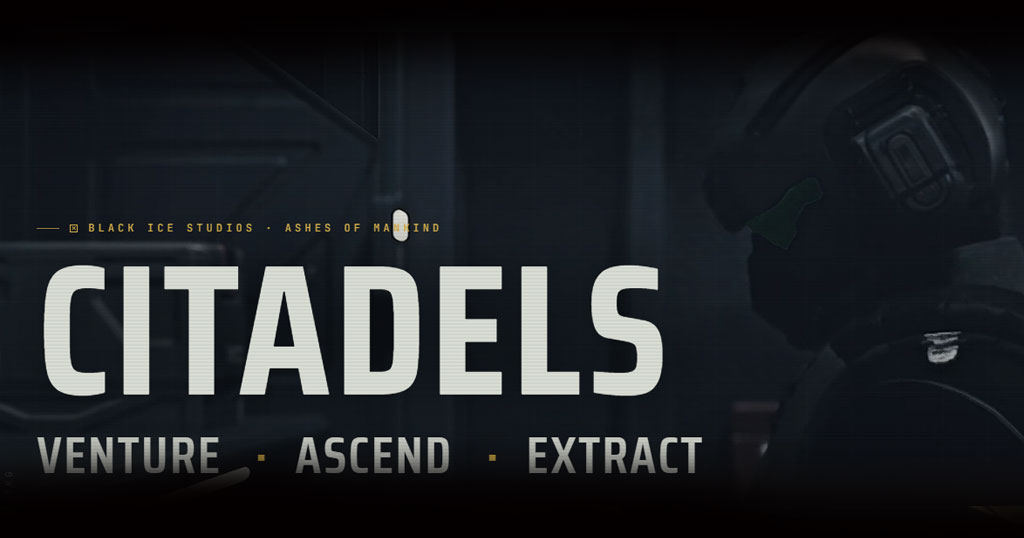
In EMPIRES, players mine, research and craft. In CITADELS, players fight, loot and show off what they wear. Black Ice Studios is betting that connecting the two makes both better games.
In most shooters, the cosmetic you wear came from a cash shop. In CITADELS, the upcoming extraction FPS from Montreal’s Black Ice Studios, it came from another player’s workshop. In a different game.
The two games could hardly look less alike. EMPIRES is an idle 4X grand strategy MMO, fully on-chain, playable in a browser tab. CITADELS is a AAA extraction shooter, currently in heavy optimization on its way to release. Together they form Ashes of Mankind, and the thing that binds them is oddly simple: every cosmetic a CITADELS player wears was designed, licensed and crafted by somebody playing EMPIRES.
Whether that works is another question, and an interesting one. But first, the games.
CITADELS: an extraction shooter that respects your time
Extraction shooters have a reputation problem.w The genre produces the most tense firefights in all of gaming, and then buries them under wiki homework: ammo types, quest chains, hideout spreadsheets. Half the players who bounce off the genre never actually got to the part that’s good.
CITADELS keeps the hardcore core and cuts the homework. You still drop in, fight for loot, and try to get out before someone takes everything you carried. Death still costs you your kit. That tension stays, because that tension is the whole genre. What changes is how fast a new player gets to the fight, and how much they need to memorise before the game makes sense. Not much, is the intent.
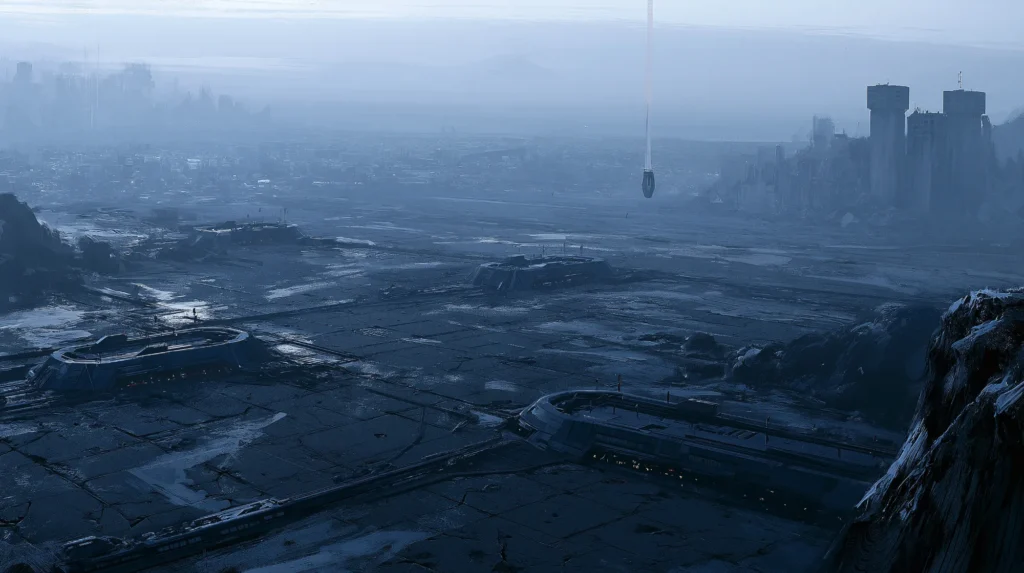
The setting does a lot of that work. Instead of another sprawling outdoor map, the Citadel is a skyscraper. Runs climb through 41 playable floors of indoor, vertical, close-quarters combat, and 14 of those floors will be open when the alpha launches in August of 2026. Fighting up a tower changes things. Sightlines shorten. Verticality stops being a sniper’s luxury and becomes the map itself. The team has spent recent months on a heavy optimisation pass, the last big engineering push before release, with alpha and beta phases planned across the second half of 2026.
Then there’s the wardrobe, which is where CITADELS gets genuinely interesting. The game has around 600 cosmetics, and none of them come from a cash shop. Every one was crafted by a player in EMPIRES, issued on-chain, and settled to its owner’s vault as a persistent item that can be held, traded or resold. The skin someone wears through a hundred raids is still theirs to sell afterwards, history intact.
What you wear into a raid was made by someone, licensed by someone, and bought from someone. All three of them are players.
ADD ASHES OF MANKIND: CITADELS TO WISHLIST OR VISIT STEAM PAGE FOR MORE DETAILS
EMPIRES: a 4X grand strategy MMO where the lights are never free
If CITADELS is where cosmetics get worn, EMPIRES is where they get made.
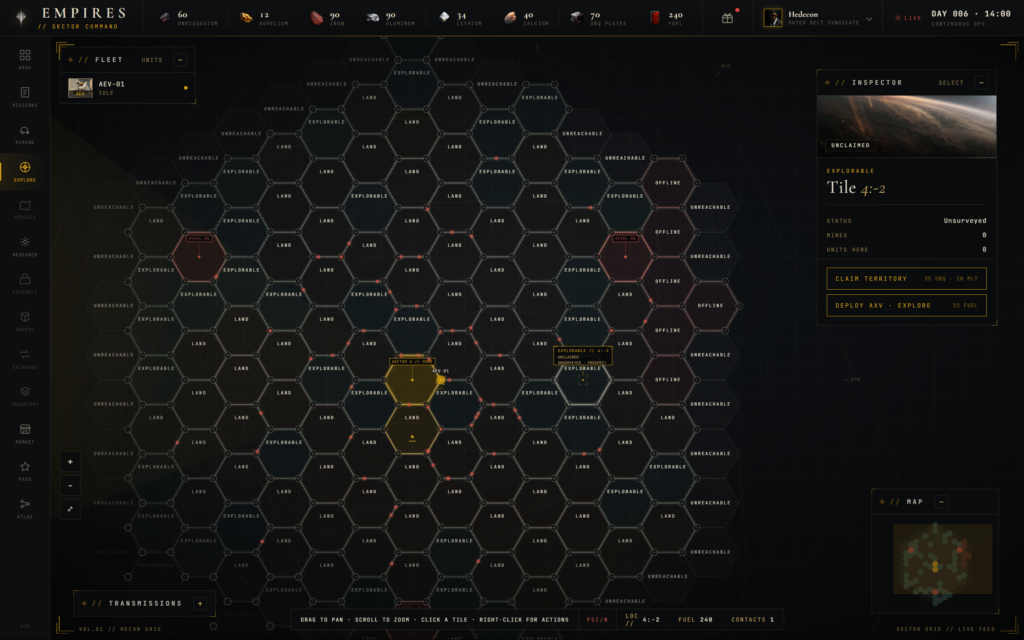
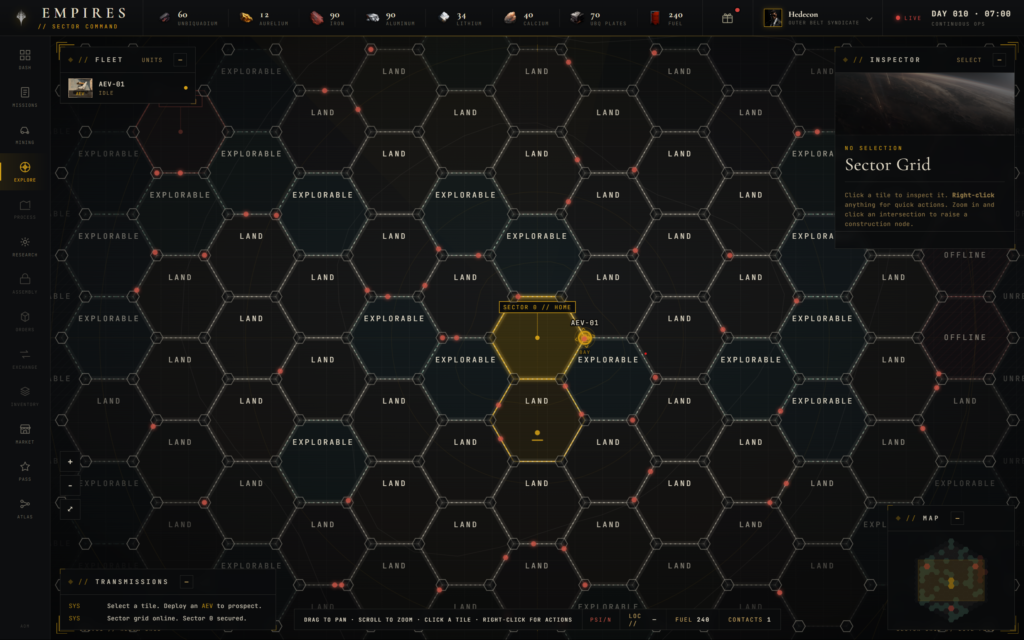
EMPIRES drops you onto a shattered frontier, a persistent world where you survey territory with exploration vehicles, plant outposts, mine, refine, research, and build the units that defend or take the wealth around you. Explore, expand, exploit, exterminate. The full 4X. What’s different is the pace: it’s an idle game at heart, built for short daily sessions rather than lost weekends, and it runs in any modern browser. Same account on your phone, your laptop, or a PC. Registration is one click, and the custodial wallet means nobody has to learn what a seed phrase is just to play. The studio calls this Invisible Web3, which is a fair name for it. The blockchain is real and load-bearing. You just never have to look at it.
One resource rules everything: energy, refined from mined Unbiquadium. Outposts drain power around the clock. So does every unit you field. Research eats energy in bulk, and the lore commits to the bit: research is purchased computation from the Eternal Mind Archivist (E.M.A), the AI every commander is wired into. An empire, in other words, has running costs. You can’t paint the map and log off forever, and a standing army has to earn its keep. Peace never comes free, which might be the most honest thing a 4X has ever said about itself.
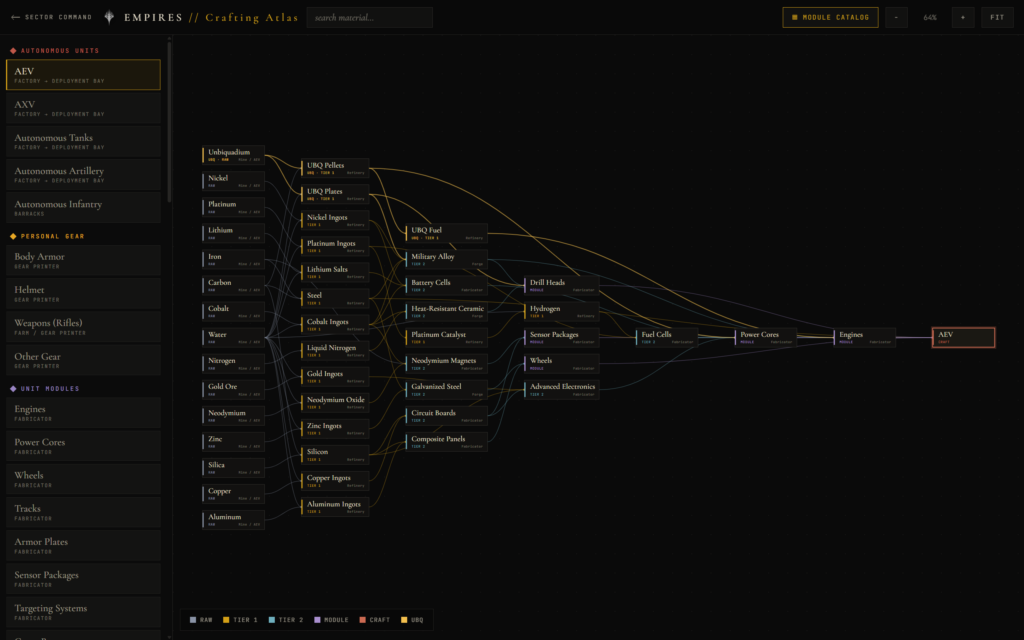
The economy underneath is player-made from end to end. Everything can be gathered, refined and crafted by any player, up a chain that runs from raw ore to materials to components to finished products. Trade flows through a single player-to-player market, the Consortium Exchange, where deals settle in credits and impatient players pay patient ones.
Inside that structure, people will play very different games:
- Idle extractors deploy Autonomous Extraction Vehicles (AEVs) to mine Unbiquadium with minimal daily input.
- Explorers send AXVs to survey new hexes and open the frontier, earning a share when new land goes to auction.
- Landowners run big communal crafting facilities, open to everyone for a fee.
- Researchers pour refined energy into the tech tree and decide what the world gets to build.
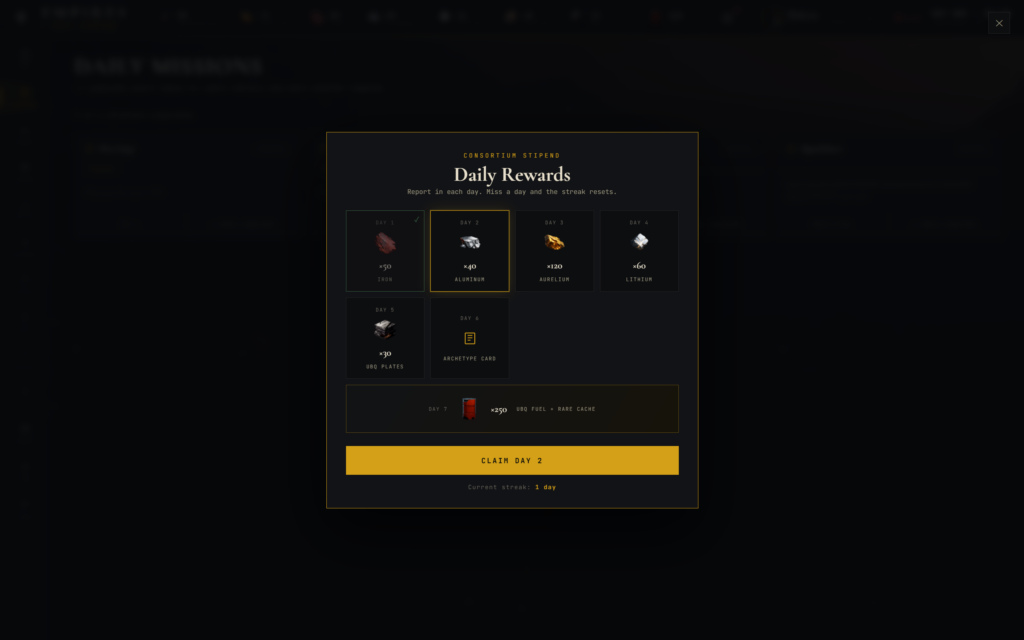
- Crafters hold Order Permits, the licences to craft specific cosmetics, and produce them for CITADELS players.
- Fighters raise armies and put the “exterminate” in 4X: raiding outposts, hijacking convoys, taxing roads.
- Traders work the Exchange’s order book and profit off everyone else’s impatience.
Fighting without losing everything
Combat starts with information, and EMPIRES gives you a lot of it. The world is on-chain, so a rival’s outposts, defenses and stored wealth are open to inspection. Spying is how you price a raid. A heavily fortified outpost is not subtle. It’s a sign someone has something worth taking.
Here’s the rule that makes the whole thing playable: combat destroys units, never cards. Every unit type lives on a card, the permit to produce it, and stacked units are what you actually lose when a raid goes wrong. Soldiers can be rebuilt. The card stays yours, forever. You can be set back in EMPIRES. You cannot be deleted, and after a decade of watching full-loot games chew through their own player bases, that distinction feels earned.
Beyond raids there are convoy hijacks against goods moving between outposts in real time, and checkpoint control, where holding a road means taxing the trade that passes through it. Defenders get a structural edge everywhere. And Sector Zero, the starting region, stays permanently safe with every basic resource inside it, so nobody’s first week is spent being farmed by veterans.
Corporations: guild play with real machinery
Anyone who has ever run an MMO guild will recognise what the Corporation layer is doing: it takes everything guilds have organised informally for twenty years and builds it into the game itself.

A Corporation in EMPIRES is an on-chain organisation with its own treasury and multi-signature governance, which means no single officer can walk off with the vault. Ask anyone who’s lived through a guild-bank scandal how much that sentence matters. Members pay a corporation tax and get protection, cheap access to Corporation facilities, and free passage through the checkpoints it controls. The fights happen between Corporations: land auctions, price wars, tolls, and the frontier wars that give a strategy MMO its history.
Where the loop closes

Follow one cosmetic through the universe. An extractor mines Unbiquadium. A researcher unlocks the technology. A crafter secures the Order Permit and runs the craft. Then a CITADELS player, who has possibly never opened a strategy game in their life, buys it because they want to look right walking into the next raid. It settles to their vault. Theirs to keep, trade or resell.
“Most connected-game economies fail because both sides are really the same audience,” said Adrien David, CEO of Black Ice Studios. “We built two genuinely different games. The strategy player wants to build an industrial empire. The shooter player wants to survive the raid and look good doing it. Neither has to care about the other’s genre for the trade between them to work.”
Everything a player owns across both titles, from units to cosmetics to permits, is on-chain, transferable and resellable.
Founder Packs open the gate
Ahead of launch, Black Ice Studios is running a Founder Pack programme, and the packs are also the ticket in: the first CITADELS alpha is gated behind them.
Contents span both games. Advanced units and a head start in EMPIRES. Cosmetics issued once, never re-minted. Extraction and exploration vehicles, Field Cache Keys, Order Permits, and a revival of the studio’s original Kickstarter reward tiers, which the community had been asking about for years. Pack contents, like everything else here, are on-chain, transferable and resellable.
“The people backing us now believed before there was anything to play,” David said. “If we are going to ask people to own things, they should actually own them. Everything in a Founder Pack can be held, transferred or resold.”
What to watch
The honest question about Ashes of Mankind is whether one studio can ship two good games at once, because the design only works if both halves hold up alone. CITADELS has to be a great extraction shooter on pure gunplay and tension, or the skins won’t matter. EMPIRES has to be a strategy game people want to optimise at midnight, or the factory floor goes quiet. The connected economy raises the ceiling for both. It doesn’t lower the bar for either.
Black Ice Studios is a team with shipped AAA titles behind it, and its public milestones so far have been production milestones rather than promises. CITADELS heads into alpha and beta through the second half of 2026, EMPIRES opens its own 4X alpha, and by then we’ll know a lot more about whether one economy can really serve two kinds of players.
Where to play and follow
- EMPIRES: playempires.com
- CITADELS: playcitadels.com
- Steam (wishlist and follow): Ashes of Mankind: Citadels
- X: @play_EMPIRES · @playCITADELS
- Discord (join the community): discord.gg/rj5sPg5sAk