8 Things Free Games Need to Survive in 2026
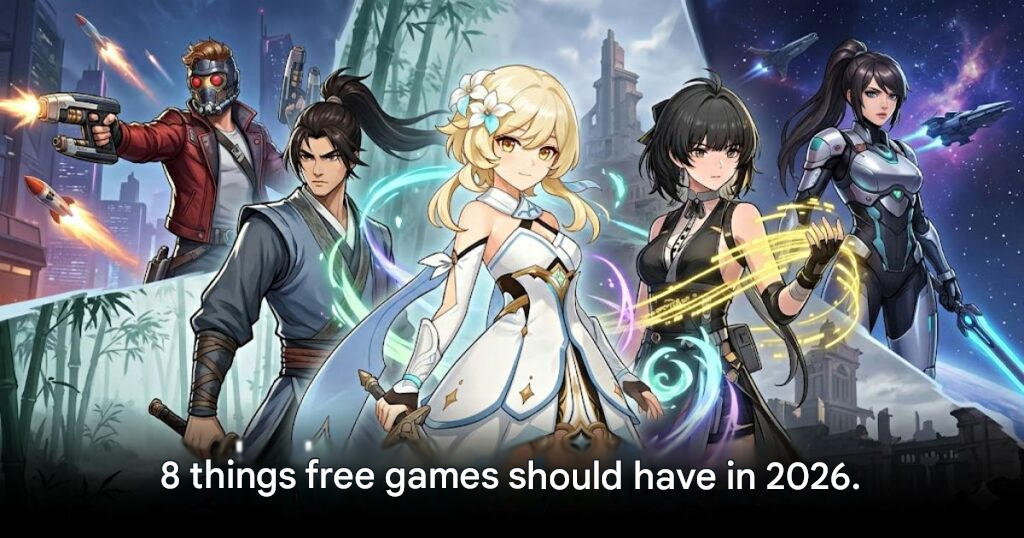
In today’s gaming world, both premium games and free games face heavy pressure from players.
Big-budget games continue to get more expensive, while free games now face stronger criticism over monetization, daily tasks, repetitive events, and exhausting content schedules. Because of that, the meaning of a good free game in 2026 has changed.
It is no longer enough for a game to be free to download. A modern free game must make players want to return without making them feel forced. It must respect time, reward commitment, and create a healthy reason to stay.
Here are 8 things free games should have in 2026 if they want players to stay for the long run.
1. A gameplay loop that stays fun every round
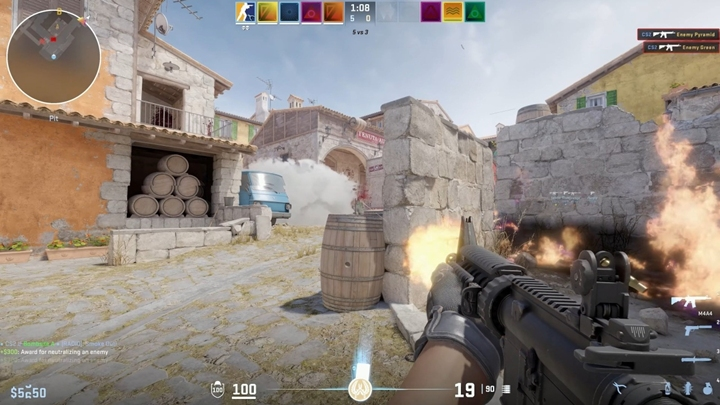
The most important part of a free game is not graphics, gacha banners, or flashy launch rewards. It is the core feeling of wanting to play one more round.
A strong gameplay loop makes players return because the game itself feels good. It gives them excitement, tension, revenge motivation, progression, or that familiar feeling of being close to a reward.
This matters because rewards alone cannot save a boring game. Even if a game gives away many items, players will still leave if the actual gameplay becomes dull after a few hours.
The best free games usually create small differences in every session. Matches feel different. Runs create new situations. Boss fights can surprise players. Progress always feels close enough to chase. When the game keeps creating fresh moments, players naturally stay longer.
2. Daily and weekly content that does not feel like work
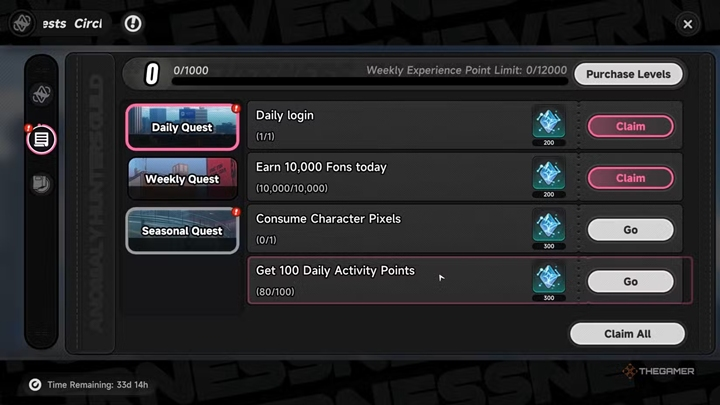
Many players quit free games because daily and weekly tasks become too much.
Some games ask players to log in every day, clear too many missions, join multiple events, claim timed rewards, spend stamina, finish battle pass tasks, and repeat the same routine for weeks. At first, this may feel rewarding. Later, it starts to feel like a second job.
In 2026, free games need daily content that feels quick, fair, and worthwhile. Players should be able to finish important tasks without spending several hours every day.
A good daily system respects real life. Players have jobs, school, family, and other games. Missing one day should not feel like punishment. If a game creates more stress than fun, players will eventually walk away.
3. Long-term goals that feel possible
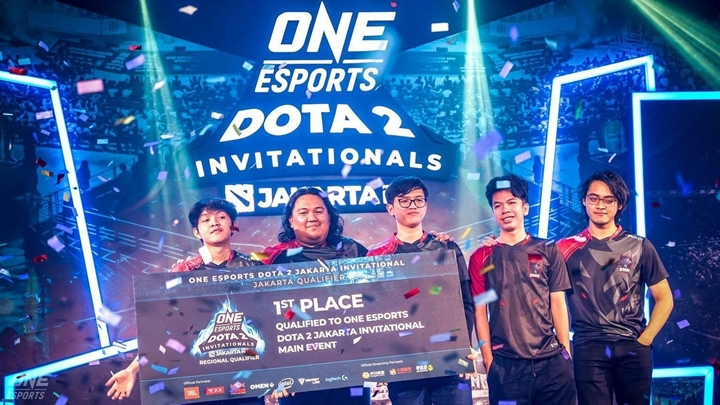
Free games need goals that give players a reason to return.
These goals can include unlocking a favorite character, collecting rare weapons, climbing ranked modes, completing a collection, earning a special skin, or improving a build over time. Long-term goals help players feel that every session moves them forward.
However, these goals must feel possible. If the target feels too far away, players lose motivation. If progress feels too slow, the game begins to look hopeless.
The best free games make players feel like they are always getting closer to something. Even when the final goal is still far away, the journey should feel meaningful.
4. Monetization that does not destroy free players
Most players understand that free games need to earn money. The problem begins when monetization damages the experience.
Players usually do not reject paid content by default. Many are willing to buy skins, battle passes, convenience items, or cosmetic upgrades. What they dislike is pay-to-win design that makes spending feel mandatory.
A healthy free game should let paying players support the game without making free players feel useless. Paid content should improve expression, convenience, or collection value, not destroy competitive balance.
When free players still feel respected, the community stays healthier. When the community stays healthy, more players become willing to support the game over time.
5. A strong community that makes players feel connected

Sometimes, players stay not only because of the game, but because of the people around it.
A strong community can turn a good game into a lasting hobby. Friends, guilds, clans, co-op groups, social events, fan discussions, guides, memes, and shared experiences all help players feel attached.
This is why free games should not focus only on solo progression. Systems such as co-op missions, guild activities, clan rewards, team challenges, and community events can give players emotional reasons to return.
When players feel like they belong somewhere, they are less likely to quit. Even simple memories with friends can become stronger than any login reward.
6. Developers who communicate clearly with players

Live-service games change constantly, so communication matters.
Even when a game has problems, players are often willing to give the team another chance if the developers explain what happened, listen to feedback, and share clear plans. Silence creates doubt. Long-running issues create frustration. Poor communication slowly breaks trust.
Free games in 2026 need proper developer communication. This can include dev notes, livestreams, roadmaps, patch notes, feedback reports, and honest updates about future plans.
Players want to know that someone is still taking care of the game. When developers communicate well, the community feels heard. When developers disappear, players start to feel abandoned.
7. Regular updates that do not cause burnout
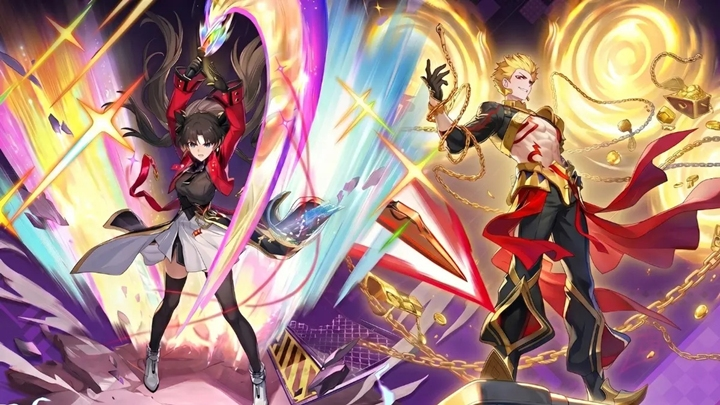
Free games need fresh content to stay alive, but too much content can also hurt the game.
When events overlap constantly, limited-time rewards arrive too fast, and new content demands nonstop grinding, players can feel tired instead of excited. This creates burnout, especially for players who already follow multiple live-service games.
In 2026, free games need better pacing. Updates should give players something new to enjoy, but they should also allow breathing room.
A good update cycle makes players excited to return. A bad update cycle makes players afraid to miss anything. If players feel like they are not allowed to rest, many will eventually choose to quit completely.
8. Memorable moments players can carry with them
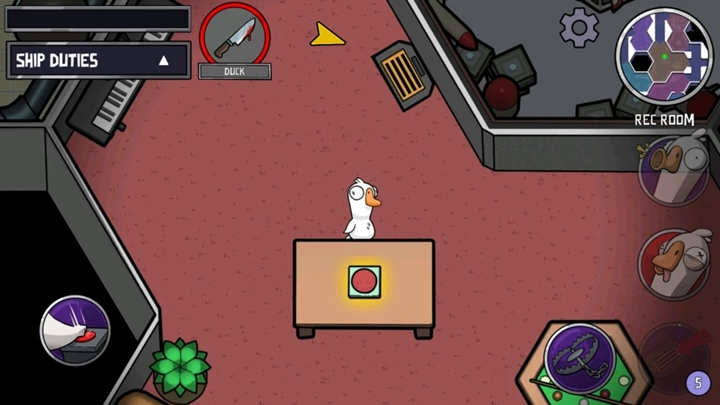
Systems and rewards matter, but memories make players stay.
Many players do not remember every item a game gave them. They remember the night they defeated a boss with friends, the time they pulled the character they wanted, the match they won at the last second, or the strange moment that made everyone laugh.
Free games that last usually create these memorable moments again and again. They do it through events, co-op battles, dramatic rewards, social systems, risky encounters, and moments that feel personal.
When players build memories inside a game, they become emotionally connected to it. That connection can bring them back even after months away.
Free games must respect players more in 2026
The free-to-play market is no longer just about giving players more rewards or running louder promotions.
To succeed in 2026, free games need to understand why players stay. They need fun gameplay, fair systems, clear goals, honest communication, healthy update pacing, and communities worth returning to.
A free game may cost nothing to download, but it still asks players for something valuable: their time.
If the game feels tiring, stressful, unfair, or disrespectful, players can leave at any moment. The free games that survive in 2026 may not be the ones that earn the fastest. They may be the ones that understand players best.
THIS IS our take
Free games have entered a much tougher era. Players now recognize manipulative systems faster, and they have more choices than ever before. That means developers cannot rely only on free rewards, daily pressure, or flashy banners. The strongest free games in 2026 will be the ones that respect time, reward loyalty, protect free players, and create real memories with the community. In the long run, player trust may become more valuable than any launch campaign.
Origin: Ragnarok Online 3 KamonWay