Reggie Fils-Aime Explains Nintendo Game Price Strategy
Reggie Fils-Aime Reveals Why Nintendo Avoids Deep Game Discounts
It is a well known fact among gamers in Southeast Asia and across the globe that first party titles from Nintendo rarely see significant price drops. Even years after their initial release, blockbuster hits often maintain their original $60 or $70 price tags. During a recent lecture at the NYU Game Center, former Nintendo of America President Reggie Fils-Aime shed light on this strategy. He explained that the company’s pricing philosophy is deeply rooted in its development culture and a commitment to long term value.
The Concept of Kyoto Craftsmanship in Game Development
Reggie compared the company’s approach to the traditional “Kyoto craftsmanship” found in its home city. Kyoto is famous for its high quality artisanal products like pottery and linens, which are made to last and retain their value. According to Reggie, Nintendo applies this same mindset to its software. The goal is to ship a game that is 100% complete and ready to play immediately. He noted that unlike many other developers in the industry, Nintendo avoids relying on massive day one patches to fix unfinished products. Because the games are finished to such a high standard, the company believes they should not be devalued through frequent sales.
Maintaining Long Term Value for Triple A Titles
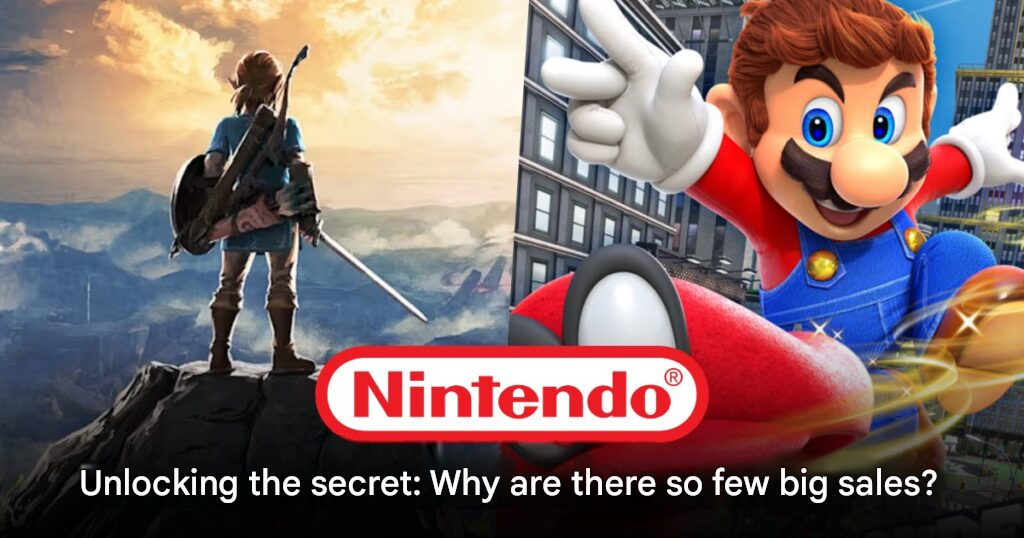
The former executive used The Legend of Zelda: Breath of the Wild as a primary example of this mindset. Since its launch nearly a decade ago, the game has almost never seen an official price cut of more than 30%. Reggie argued that if a product is excellent from the start, it deserves to hold its price over time. This approach is the opposite of the “race to the bottom” seen elsewhere in the industry, where games are often discounted by 50% within months of release. For Nintendo, keeping prices consistent ensures that early adopters do not feel penalized for buying a game at launch.
Evolving Pricing Models for the Switch 2 Era
While defending the core philosophy, Reggie acknowledged that the modern market is becoming more flexible. We are already seeing some changes with the launch of the Switch 2. For instance, the company has begun experimenting with variable pricing, such as Mario Kart World launching at a higher $80 point while other digital titles are offered for $10 less than their physical counterparts. Newer projects like Tomodachi Life continue to follow the “complete on arrival” rule with no day one updates. This suggests that while the specific numbers might shift, the focus on shipping finished, high value products remains a core part of the brand’s identity in Southeast Asia and beyond.
THIS IS our take
We have all felt the pain of staring at a five year old game that still costs full price, but Reggie makes a fair point about the “Kyoto craftsmanship” vibe. There is something undeniably refreshing about putting a cartridge into your console and playing it instantly without waiting for a 20GB update. While we would all love to save a few dollars, the fact that Nintendo games hold their value so well also means they have a great resale market. It is a stubborn strategy, but when the games are as good as Zelda or Mario, it is hard to argue with the results!